Why you should experience Charles Street in South Carolina.
Charles Street is a historic corridor where Downtown Beaufort's colonial foundations, waterfront heritage, architectural legacy, and civic traditions continue shaping one of the city's oldest streets.
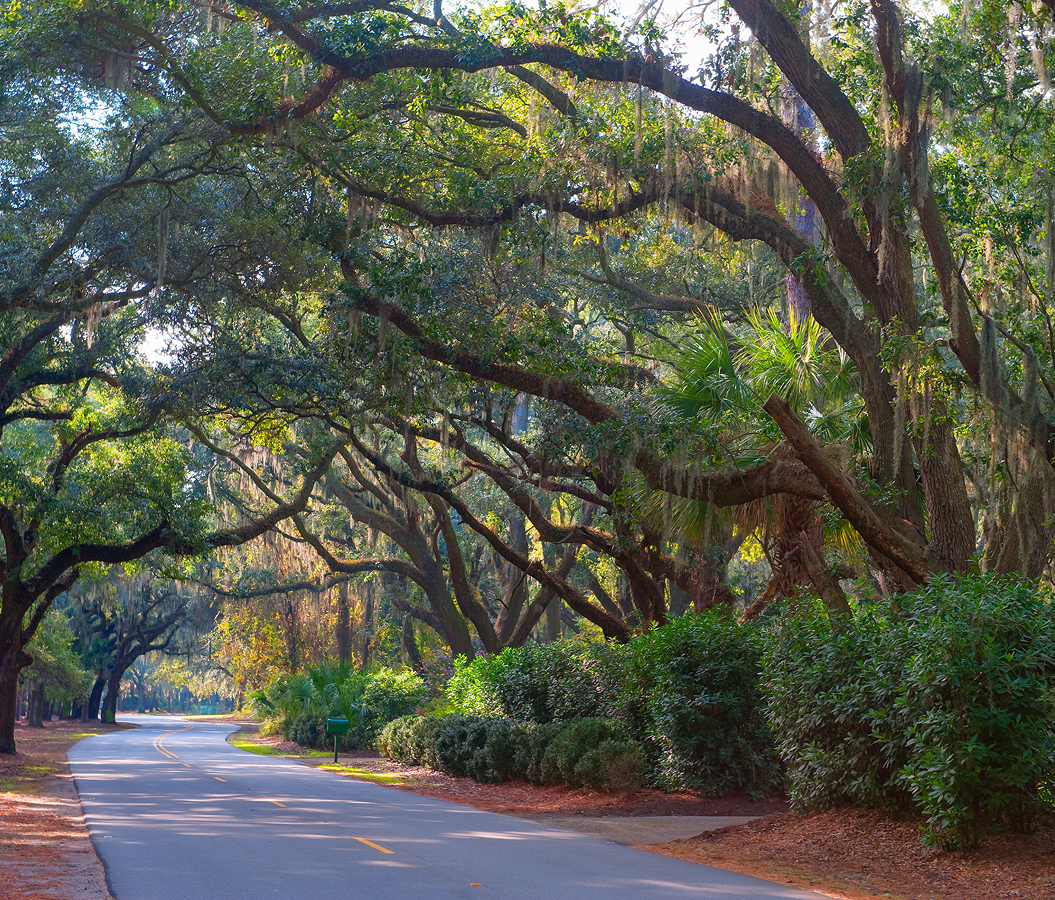
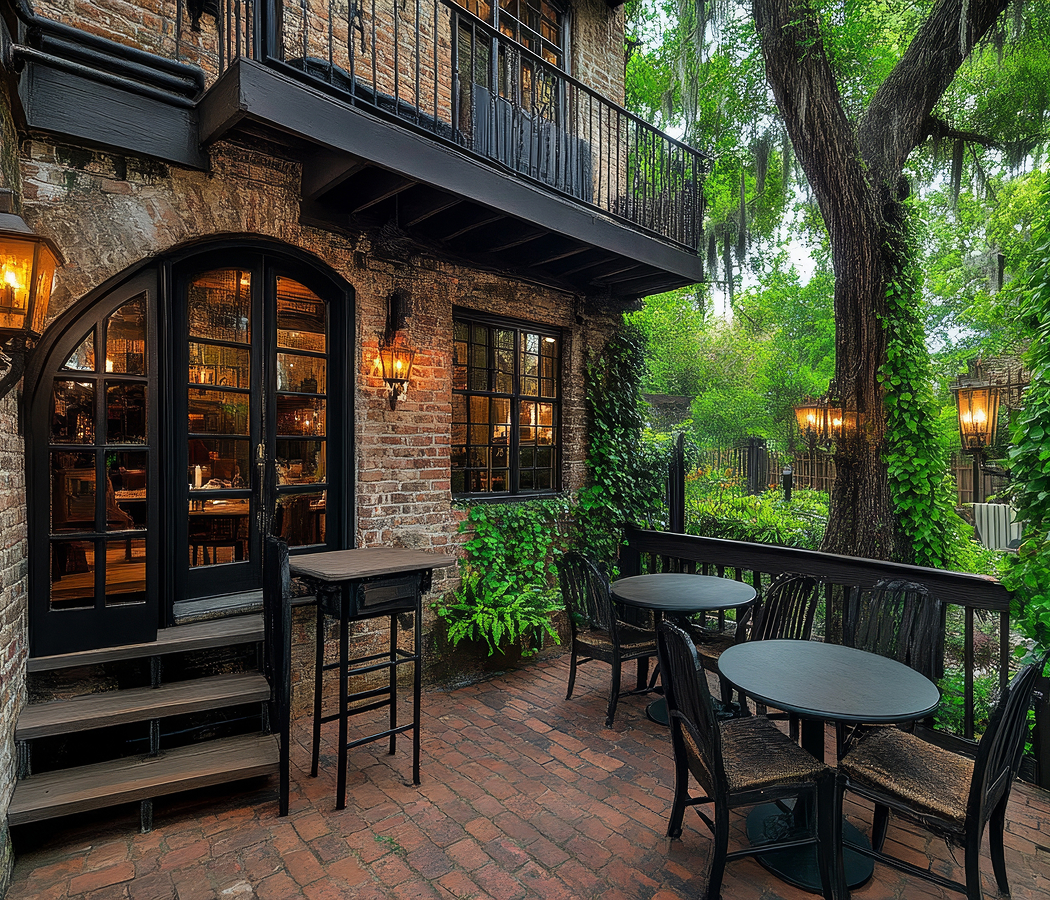
Running through Downtown Beaufort between Boundary Street and Bay Street, this shaded corridor passes beneath sweeping live oaks alongside preserved residences, churches, civic buildings, galleries, museums, and locally owned businesses that reflect more than three centuries of continuous settlement. Brick sidewalks, historic streetscapes, and nearby views of the Beaufort River reinforce a setting where maritime commerce, public life, and architectural preservation remain closely connected. The result is a corridor where Beaufort's colonial origins continue defining one of South Carolina's most distinguished historic downtowns.
What you should know about Charles Street.
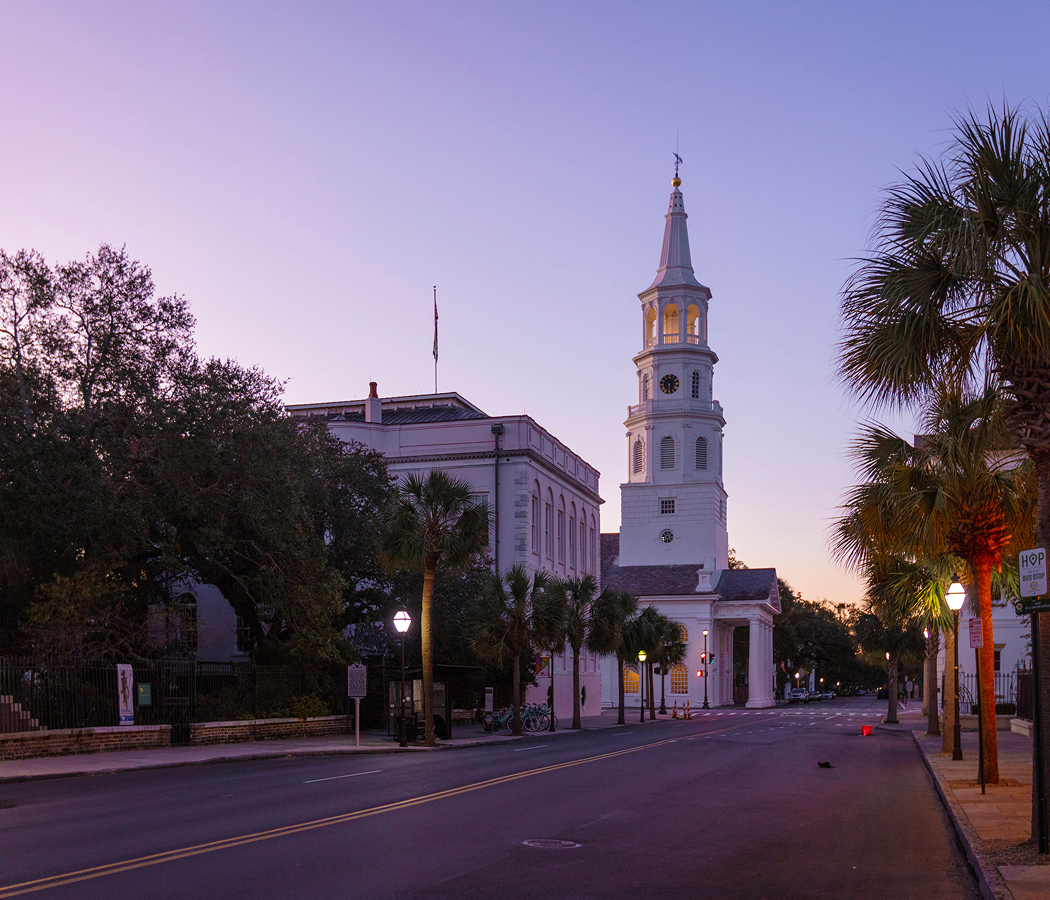
Charles Street is best known as one of Beaufort's original colonial streets, forming part of the town plan established in 1711 under the Lords Proprietors of Carolina and remaining within the Beaufort Historic District, which was listed on the National Register of Historic Places in 1969 before being designated a National Historic Landmark District in 1973. Named in honor of King Charles II of England, whose 1663 royal charter created the Province of Carolina, the corridor developed alongside Beaufort's emergence as an Atlantic seaport supported by indigo cultivation, rice production, Sea Island cotton, and maritime trade during the eighteenth and nineteenth centuries. Charles Street provides direct access to St. Helena's Anglican Church, the John Mark Verdier House Museum, the Beaufort Arsenal, Henry C. Chambers Waterfront Park, and numerous contributing buildings representing Georgian, Federal, Greek Revival, Italianate, Victorian, and Classical Revival architectural traditions. Extensive preservation initiatives undertaken throughout the twentieth century protected the corridor's historic streetscape, mature live oaks, masonry structures, period residences, and traditional lot patterns, preserving one of the most complete collections of historic architecture on the South Carolina coast.
Historic homes, churches, museums, galleries, and professional offices continue occupying many of the same blocks that served Beaufort's commercial and civic life for generations. Walking tours, cultural programs, and seasonal festivals regularly activate the surrounding streets while reinforcing the district's enduring historical importance. Mature tree canopies, landscaped public spaces, and nearby tidal waters continue strengthening the relationship between Beaufort's built environment and the coastal landscape that has influenced the city since the early eighteenth century.
How to fold Charles Street into your trip.
Charles Street is best experienced through Beaufort's architecture, history, and waterfront setting.
Begin at St. Helena's Anglican Church, whose congregation dates to 1712 and whose churchyard preserves centuries of local history before exploring Charles Street. Continue to the John Mark Verdier House Museum, where one of South Carolina's finest Federal-style residences offers insight into Beaufort's prosperous antebellum period. Conclude at Henry C. Chambers Waterfront Park, where sweeping views across the Beaufort River provide a memorable finish overlooking the harbor that shaped Beaufort's growth for more than three centuries. The progression moves naturally from colonial heritage to preserved architecture before concluding along the historic waterfront.
Where your story begins.
Foresyte Travel reveals places that feel extraordinary long before you arrive.
Experience premium editorial crafted for luxury travelers.