Why you should experience Colorado Chautauqua in Colorado.
Colorado Chautauqua is where timeless mountain heritage meets soul-deep serenity, where the Flatirons rise like ancient cathedral walls above century-old cottages, and where your stay feels like stepping into a living sanctuary shaped by history, wilderness, creativity, and the quiet magic of a bygone era preserved with extraordinary care.
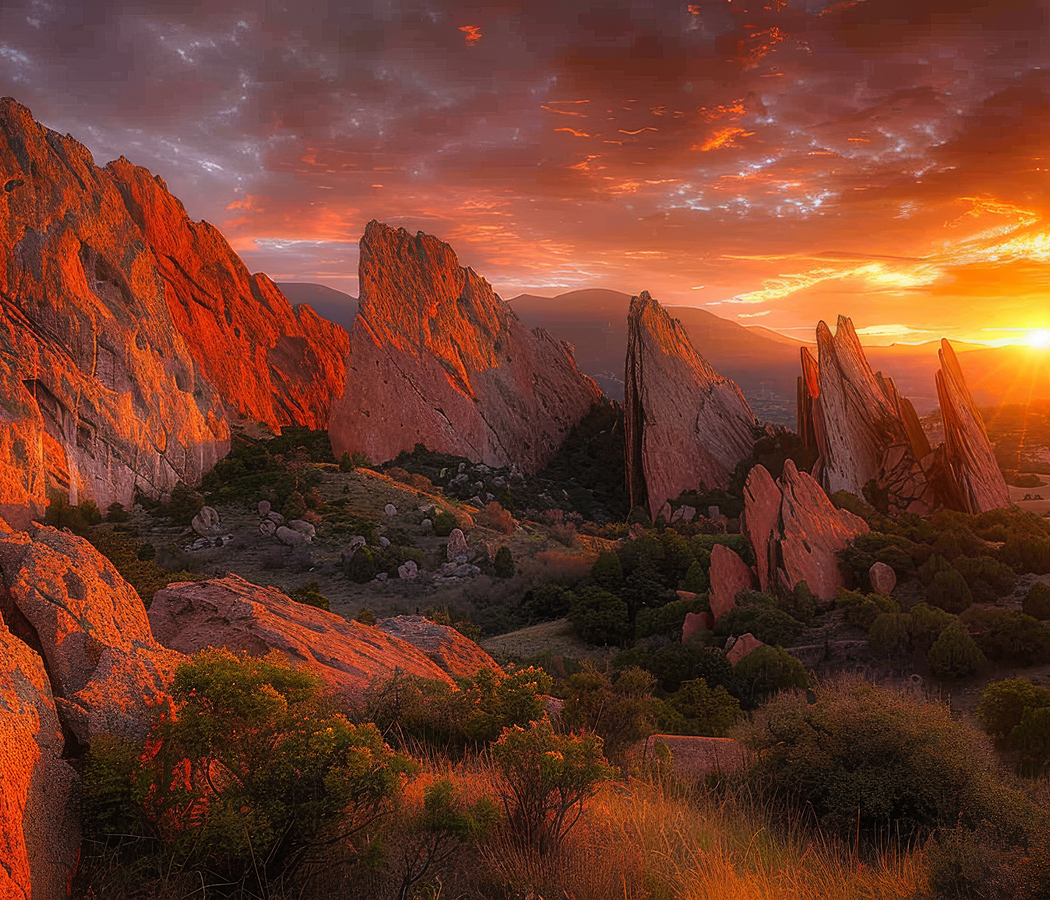
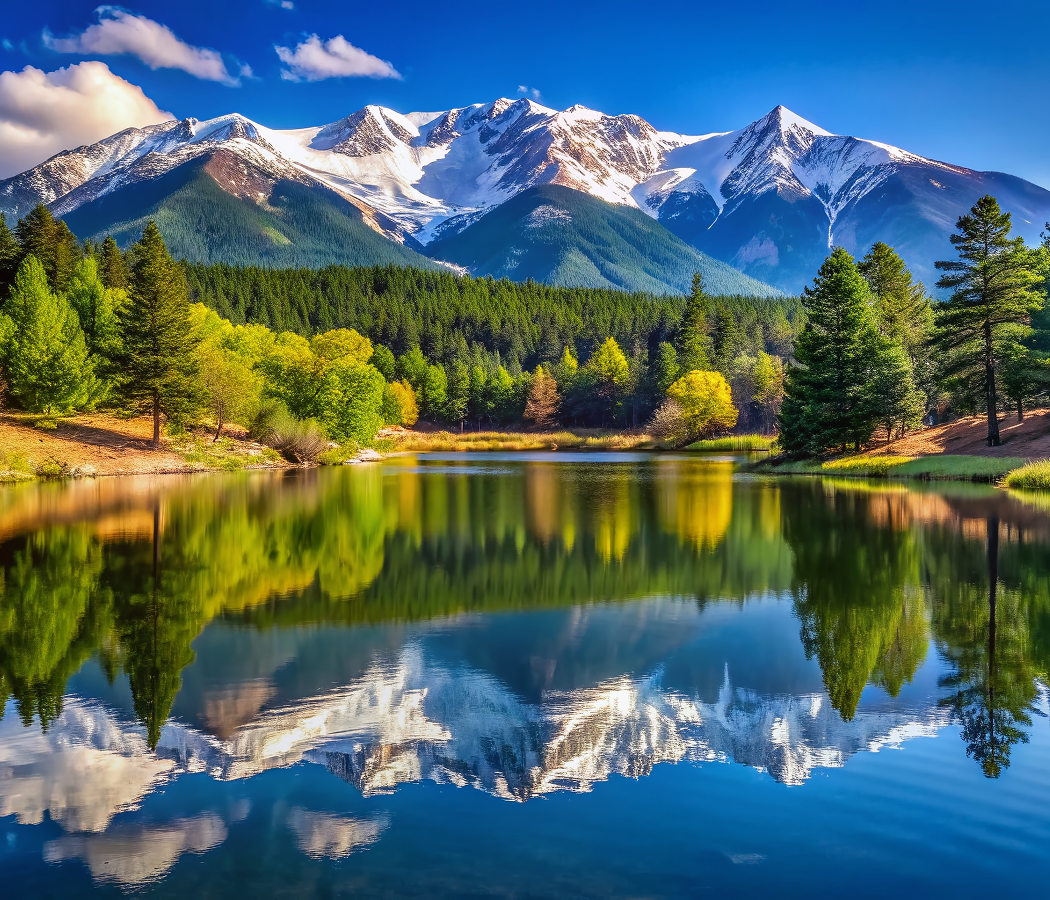
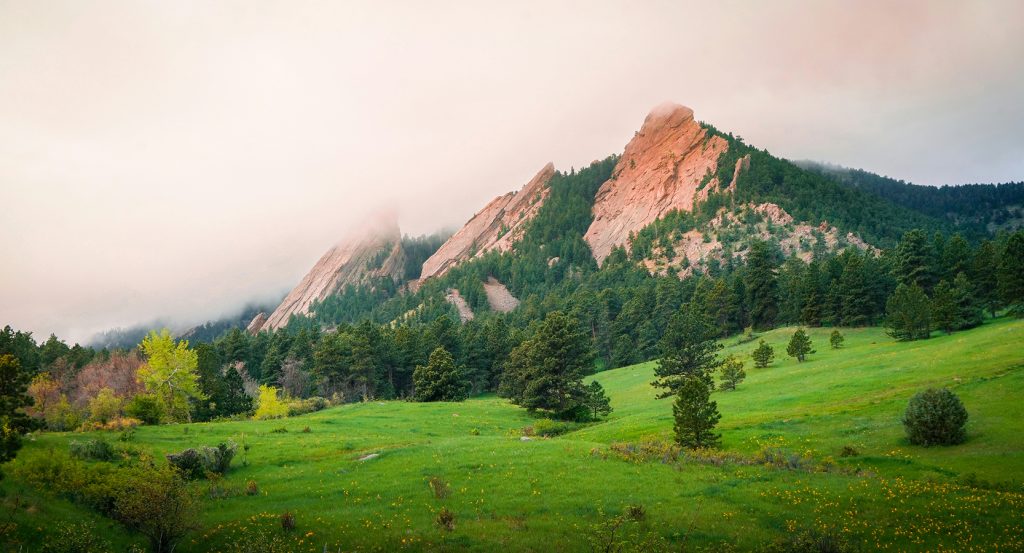
Set at the base of Boulder's iconic Flatirons, those towering slabs of sandstone that glow gold, rose, copper, and deep violet depending on the hour, Colorado Chautauqua unfolds like a historic village hidden inside a national park. It is among the last remaining Chautauqua communities in continuous operation since the 19th century, and that spirit is infused into every footpath, cottage porch, whispering pine, and gently swaying hammock on its 40-acre campus. The entrance feels almost cinematic: leafy pathways stretching between rustic cottages, warm sunlight filtering through old-growth trees, hand-carved signage, gravel lanes winding upward toward the foothills, and the open-air Chautauqua Green expanding in a calm, meadow-like sweep. Buildings appear in soft clusters, wooden lodges, wraparound porches, screened dining halls, the iconic auditorium, creating a tranquil atmosphere that feels part alpine retreat, part turn-of-the-century summer colony, and part mountain sanctuary. Step into the cottages and the feeling deepens. These lovingly preserved structures blend nostalgic simplicity with contemporary warmth: honey-colored wood floors, vintage windows that open to let in crisp Colorado air, soft textiles, cozy seating, warm lamps, historic photographs, and kitchens that echo the familiar intimacy of a mountain cabin. Some cottages feel rustic and poetic; others embrace more modern upgrades while preserving heritage charm. Many have porches with rocking chairs where mornings unfold in birdsong and evenings glow beneath lantern light. Interiors are intentionally simple, encouraging you to slow down, breathe, and savor the quiet. Expect warm wood paneling, antique furnishings blended with minimalist comfort pieces, open shelving, soft blankets, and a palette shaped by natural tones, sage, cream, warm pine, slate, golden sunlight. Bedrooms feel serene and intimate: soft light filtering through curtains, warm quilts on the beds, and windows framing glimpses of treetops or the Flatirons rising dramatically overhead. The cottages are not about flash, they're about soul, atmosphere, authenticity, and connection to place. Bathrooms range from charmingly historic to simply modern, with clean lighting, updated fixtures, and thoughtful touches that maintain Chautauqua's rustic character. The Chautauqua Dining Hall serves as the culinary heart of the property. Built in 1898 and lovingly preserved, it welcomes guests with wraparound porches, white-painted trim, warm lighting, tall windows, and an atmosphere that feels both communal and refined. Inside, the space carries the aromas of comfort food, scratch-made desserts, seasonal Colorado produce, and dishes designed to nourish hikers, families, artists, and travelers seeking warmth after a long day outdoors. Dining on the porch beneath the mountains feels like stepping into a sepia-toned photograph made newly alive. The Chautauqua Auditorium is one of Boulder's most treasured cultural spaces, an architectural marvel built entirely of wood, held together without nails, and revered for its extraordinary acoustics. Under its cathedral-like rafters, artists, speakers, orchestras, and musicians perform in a space that vibrates with history and artistic electricity.
What you should know about Colorado Chautauqua.
Colorado Chautauqua stands on land that reflects a sweeping history of learning, wilderness, community, and cultural evolution, territory shaped by Indigenous roots, pioneering ideals, and a century-long commitment to preserving mind, body, and spirit.
Long before cottages dotted the hillside, the land at Chautauqua was part of the seasonal homelands of Indigenous peoples, particularly the Ute and Arapaho, who traveled through the region for hunting, gathering, and spiritual connection. The foothills and meadows beneath the Flatirons served as gathering grounds, wildlife corridors, seasonal campsites, and natural pathways connecting the plains to higher-alpine basins. In the late 1800s, as the Chautauqua movement spread across the United States, focused on adult education, the arts, music, lectures, and community-building, Boulder sought to create its own Chautauqua campus as a place of culture, learning, and nature-inspired rejuvenation. In 1898, city leaders struck a remarkably bold deal: Boulder voters approved a bond to purchase land at the base of the Flatirons and lease it to the Texas-Colorado Chautauqua Association, creating what would become Colorado Chautauqua. Construction began at an astonishing pace. Within a few months, the Auditorium, Dining Hall, and dozens of cottages were built using locally sourced materials and traditional craft. Workers relied on horse-drawn wagons, hand tools, and community labor to complete the campus in time for the first summer session. A lesser-known detail: the Auditorium, still standing today, was built without nails, using wooden pegs and masterful joinery. Its acoustics, shaped by this traditional construction, are among the finest in the country. Another remarkable piece of history: Colorado Chautauqua is among the few Chautauquas in continuous operation since its founding. While dozens across America faded, Boulder's thrived, supported by the city, protected by generations of community members, and cherished as a cultural cornerstone. Throughout the 20th century, the campus evolved but never lost its character. Early cottages were updated; electricity was added; porches were expanded; and communal facilities adapted to modern needs. In 2006, the entire campus was designated a National Historic Landmark, recognizing its extraordinary cultural significance and the remarkable preservation of its historic structures, landscape design, and mission. Today, Colorado Chautauqua stands not only as a historic lodging experience but as a rare living heritage site, one where history, community, culture, education, performance, and wilderness coexist in perfect harmony.
How to fold Colorado Chautauqua into your trip.
Colorado Chautauqua becomes your serene mountain retreat, where mornings begin with birdsong and sunlight across the Flatirons, afternoons unfold into trail exploration and cultural discovery, and evenings settle into porch-side quiet, warm dining hall meals, and the soft glow of lantern-lit campus pathways.
Start the morning on your cottage porch with a warm drink as crisp mountain air drifts through the pines and the Flatirons catch their first golden light. Then wander to the Chautauqua Dining Hall for breakfast, porch seating, mountain views, comforting dishes, and a sense of timeless calm. Midday, step directly onto the Chautauqua Trailhead and choose your adventure: ascend Bluebell Road into the Flatirons; hike toward Royal Arch for panoramic views; explore the Mesa Trail; stroll toward Baseline Reservoir; or wander meadow paths filled with wildflowers in summer and soft snow in winter. If you prefer a slower pace, explore the campus: visit the historic Missions House, admire the Auditorium's architecture, wander tree-lined gravel paths, read in the shade of towering pines, or sit quietly on the Chautauqua Green as clouds drift above the sandstone peaks. Return to your cottage for an afternoon reset. Open your windows, let fresh air flow through warm wooden rooms, read on your porch, nap beneath soft quilts, or simply sit in stillness as the mountains rise beyond your view. As evening arrives, savor dinner at the Dining Hall, seasonal dishes, warm interiors, porch seating beneath twilight skies, then attend a concert, film screening, or lecture inside the historic Auditorium, where the wooden rafters and soft acoustics create a unique atmosphere. Afterward, stroll beneath starlight along the campus pathways, listening to the quiet rustle of trees and the distant hum of Boulder below. Return to your cottage and settle into bed as night air cools the room and the Flatirons stand in silent silhouette outside your window.
Where your story begins.
Foresyte Travel reveals places that feel extraordinary long before you arrive.
Experience premium editorial crafted for luxury travelers.