Why Craven Street matters.
Craven Street is a historic corridor where Downtown Beaufort's colonial heritage, waterfront setting, architectural legacy, and civic traditions continue defining one of South Carolina's most distinguished coastal streets.
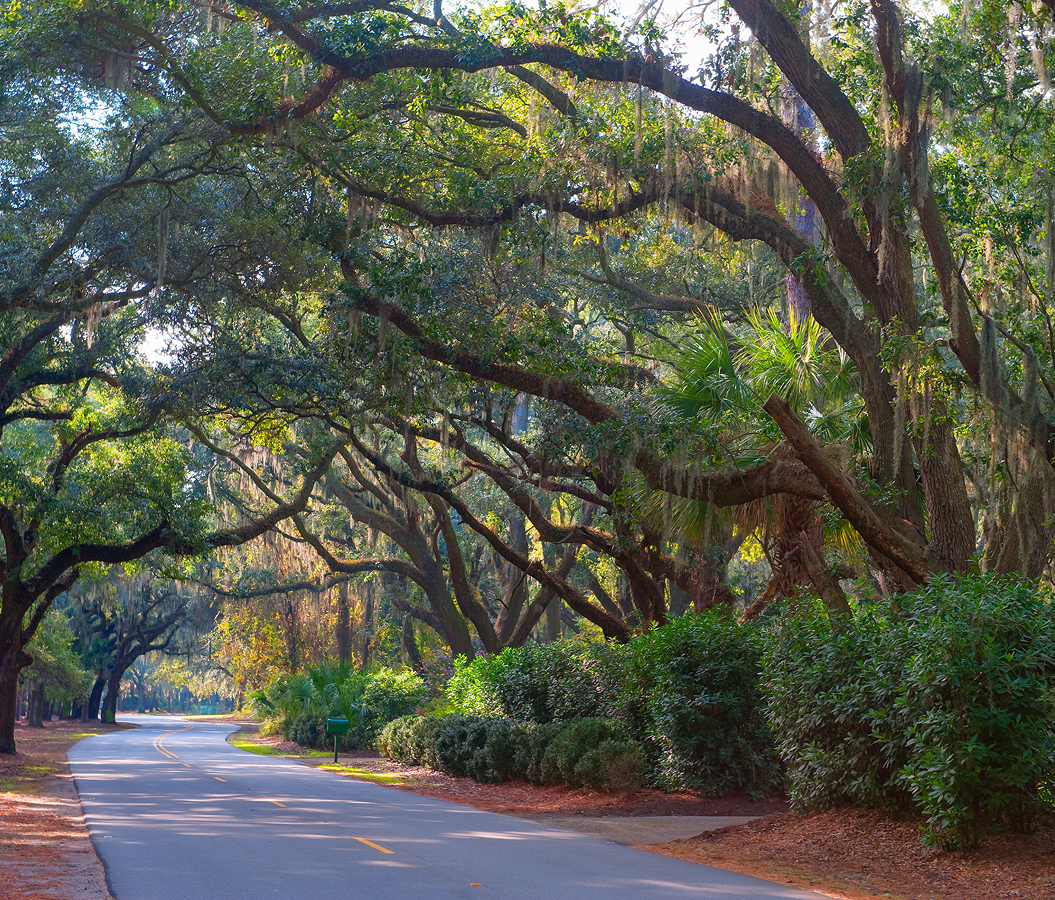
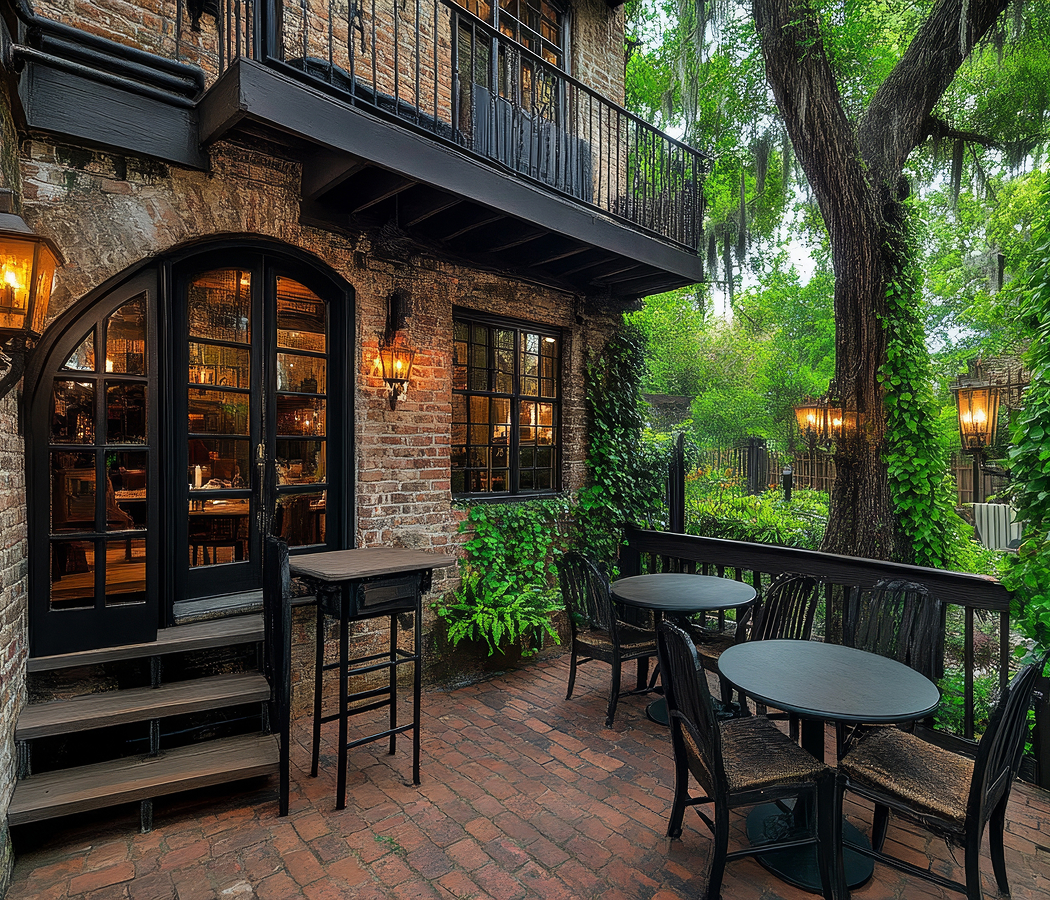
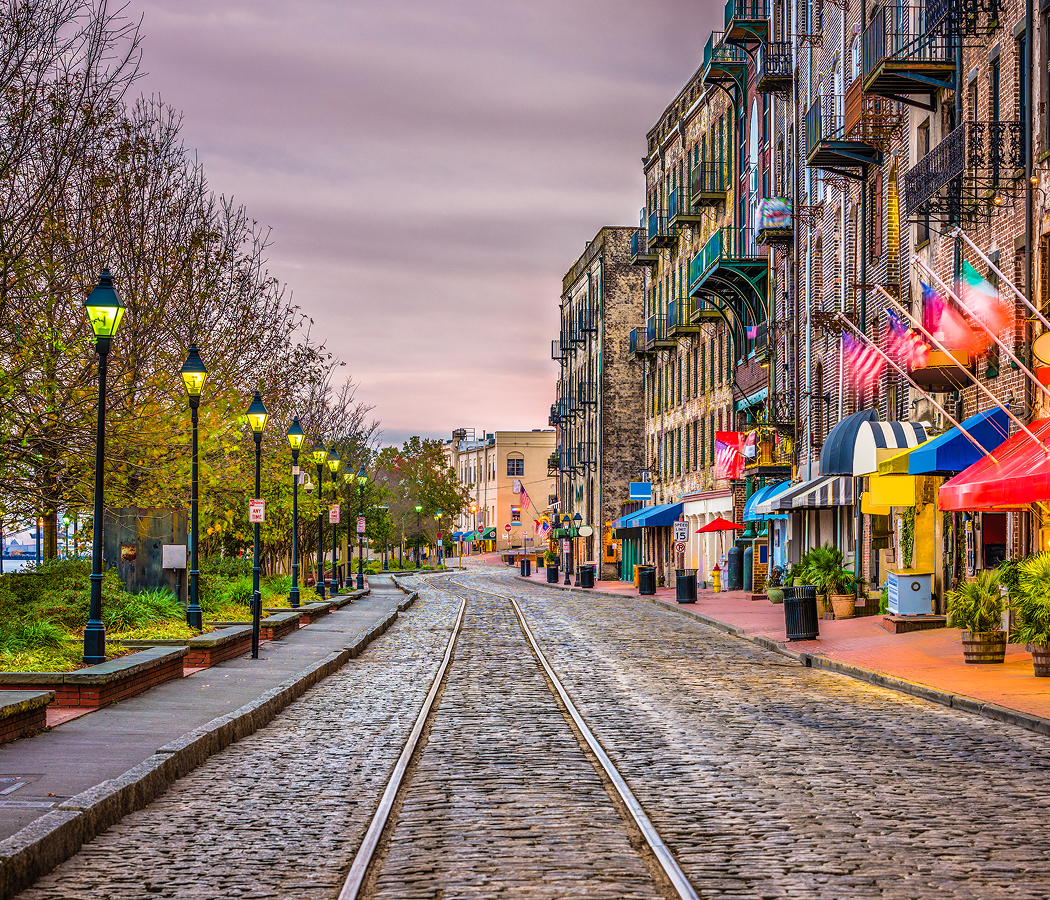
Running through Downtown Beaufort between Boundary Street and Bay Street, this shaded corridor passes beneath sweeping live oaks alongside eighteenth- and nineteenth-century residences, churches, civic buildings, museums, galleries, and neighborhood businesses that have shaped Beaufort for more than three centuries. Brick sidewalks, preserved streetscapes, and nearby views of the Beaufort River reinforce a setting where public life, architecture, and maritime history remain closely connected. The result is a corridor where Beaufort's earliest settlement patterns continue informing one of the nation's best-preserved historic downtowns.
What defines Craven Street.
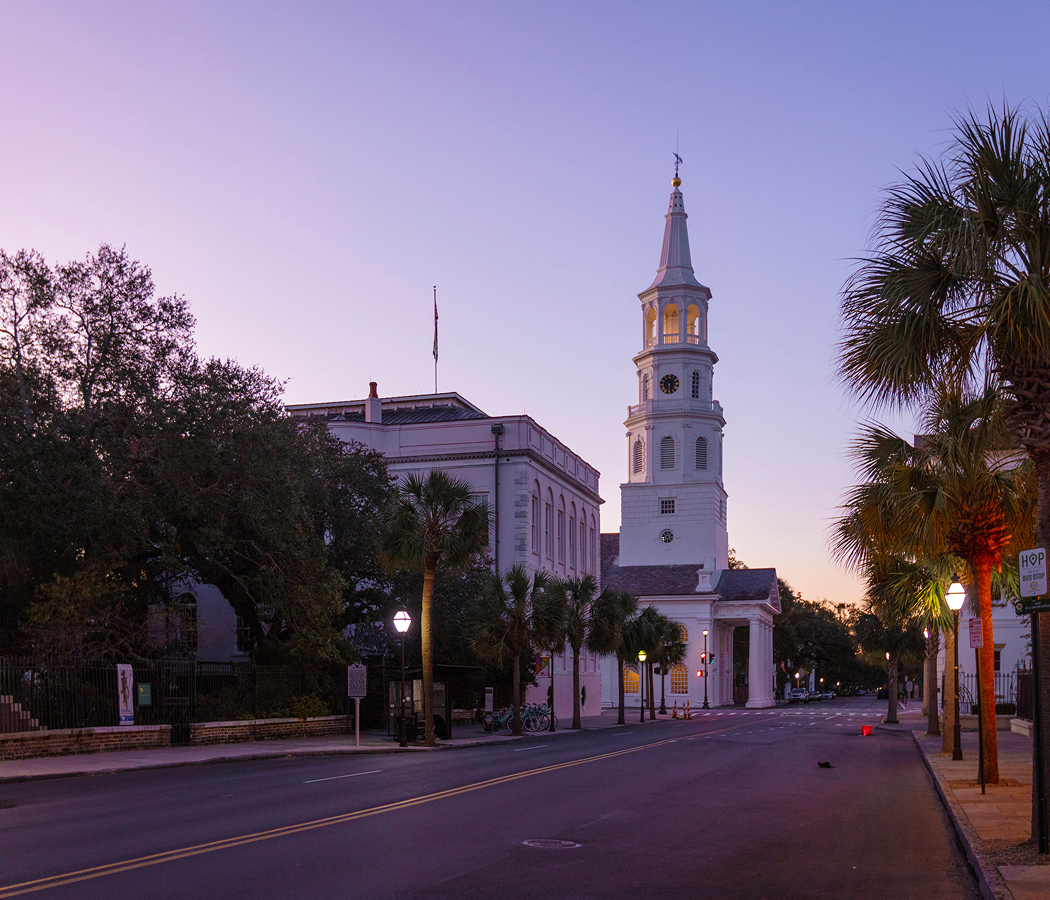
Craven Street is best known as one of Beaufort's original colonial thoroughfares, following the town plan established after Beaufort's founding in 1711 under the Lords Proprietors of Carolina and remaining part of the Beaufort Historic District, which was listed on the National Register of Historic Places in 1969 before receiving National Historic Landmark District designation in 1973. Named for William Craven, among the Lords Proprietors, the corridor developed as Beaufort expanded into a prosperous colonial seaport supported by indigo cultivation, rice production, Sea Island cotton, and Atlantic maritime commerce during the eighteenth and nineteenth centuries. Craven Street provides direct access to the John Mark Verdier House, Beaufort Arsenal, St. Helena's Anglican Church, Beaufort History Museum, Henry C. Chambers Waterfront Park, and numerous contributing properties representing Federal, Georgian, Greek Revival, Italianate, Victorian, and Classical Revival architectural styles. Preservation initiatives undertaken throughout the twentieth century protected much of the corridor's historic fabric, allowing original street alignments, mature live oaks, period residences, masonry commercial buildings, and civic institutions to remain integral components of Beaufort's nationally recognized historic landscape.
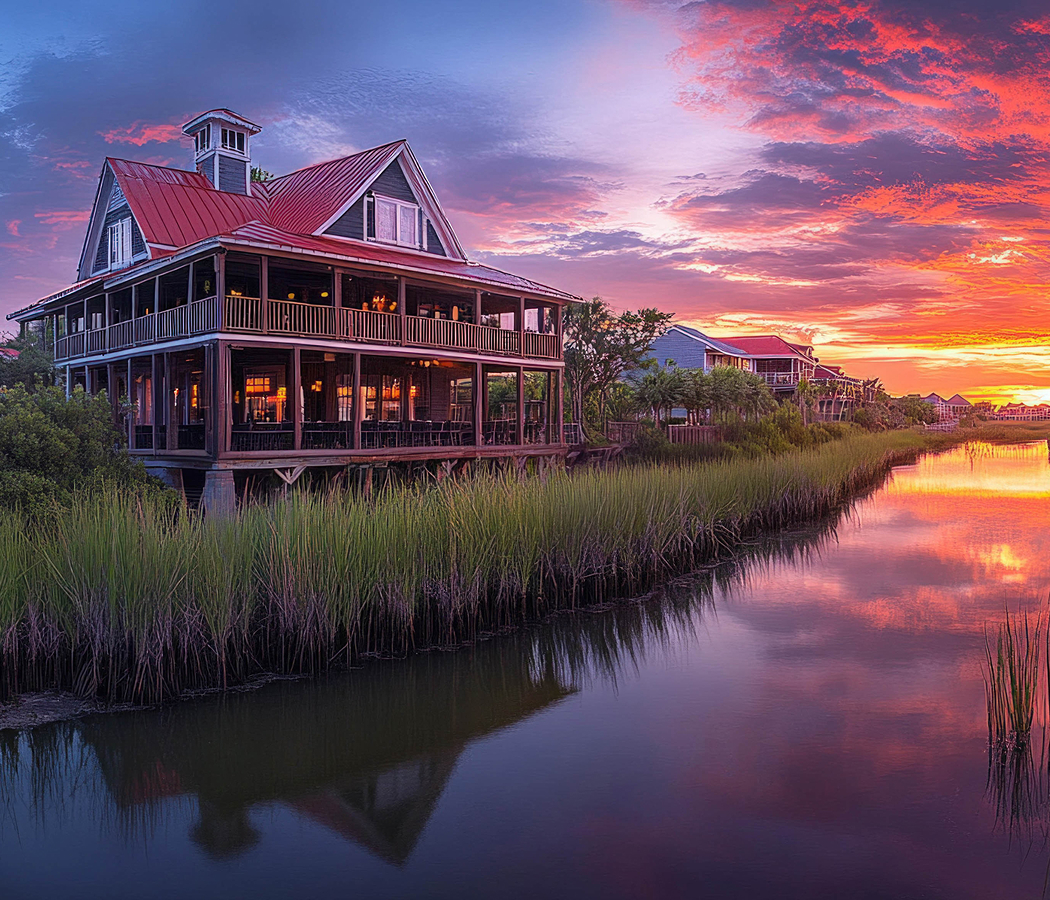
Historic homes, cultural institutions, galleries, professional offices, and locally owned businesses continue occupying buildings that reflect successive periods of Beaufort's development while preserving the corridor's walkable scale. Community celebrations, historical programs, and waterfront events regularly extend into the surrounding streets, reinforcing Craven Street's enduring civic importance. Mature tree canopies, landscaped public spaces, and nearby tidal waters continue strengthening the relationship between Beaufort's built environment and the coastal setting that has influenced the city since the early eighteenth century.
How Craven Street fits.
Craven Street is best experienced through Beaufort's architecture, history, and waterfront setting.
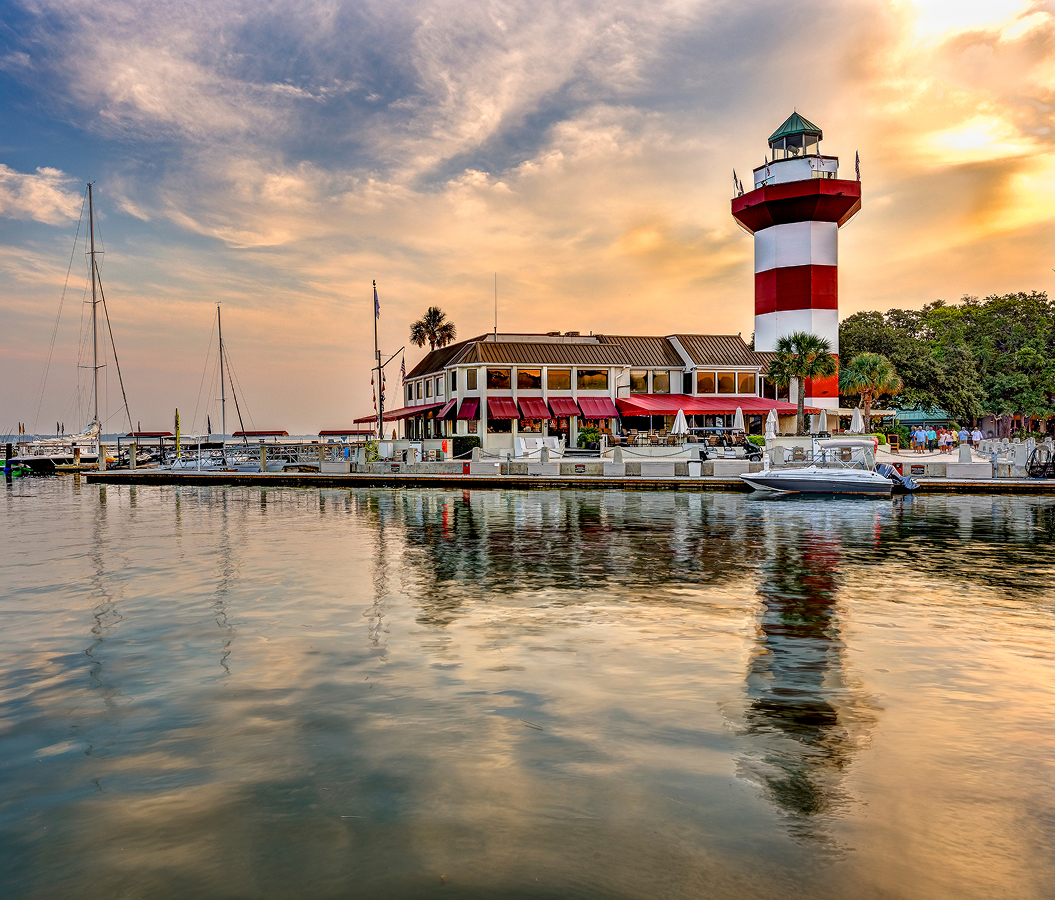
Begin at the John Mark Verdier House Museum, where one of South Carolina's finest Federal-style residences introduces Beaufort's prosperous antebellum history before exploring Craven Street. Continue to the Beaufort History Museum, whose exhibits trace Indigenous cultures, colonial settlement, the Civil War, Reconstruction, and the Sea Islands. Conclude at Henry C. Chambers Waterfront Park, where expansive views across the Beaufort River provide a memorable finish overlooking the harbor that shaped Beaufort's development for more than three centuries. The progression moves naturally from preserved architecture to regional history before concluding along the historic waterfront.
Where your story begins.
Foresyte Travel reveals places that feel extraordinary long before you arrive.
Enjoy editorial crafted for luxury travelers.
Foresyte may earn a commission when you book.