Why Dillon Road matters.
Dillon Road is a scenic corridor where Jonesville's transportation heritage, maritime landscapes, conservation initiatives, and Lowcountry character shape one of Hilton Head's principal western gateways.
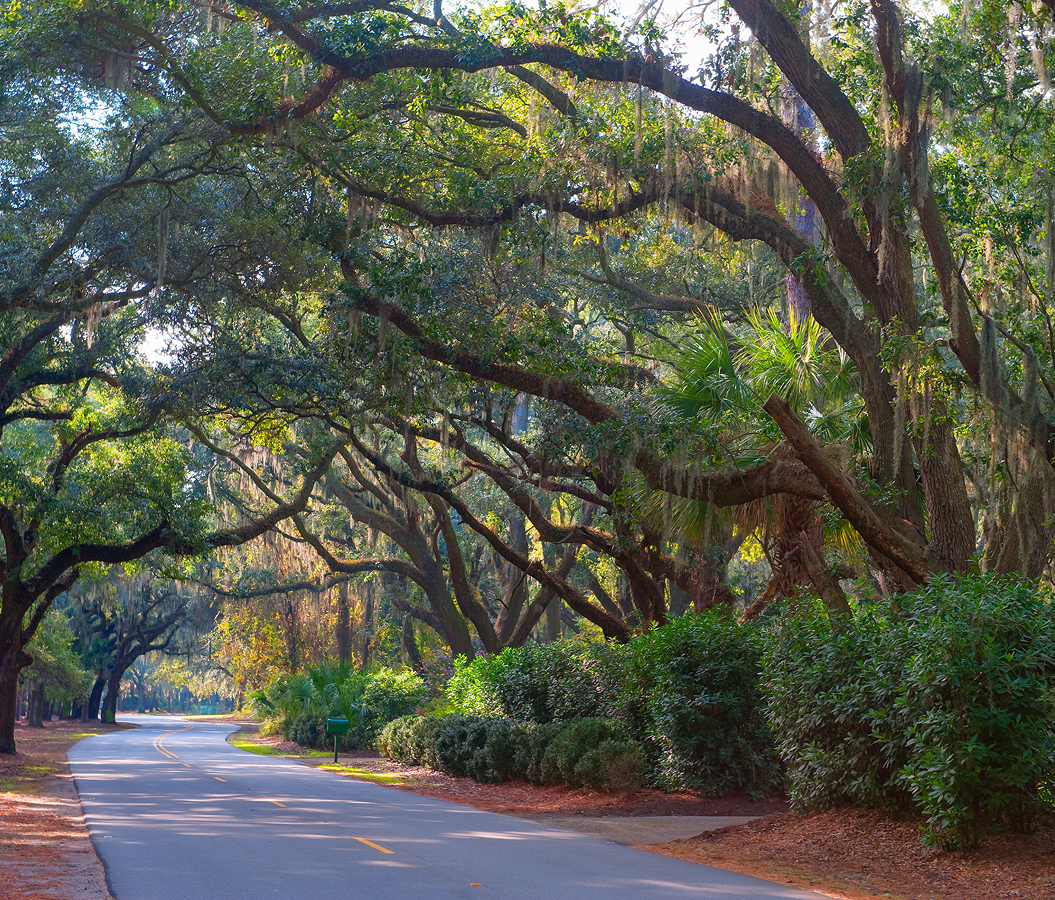
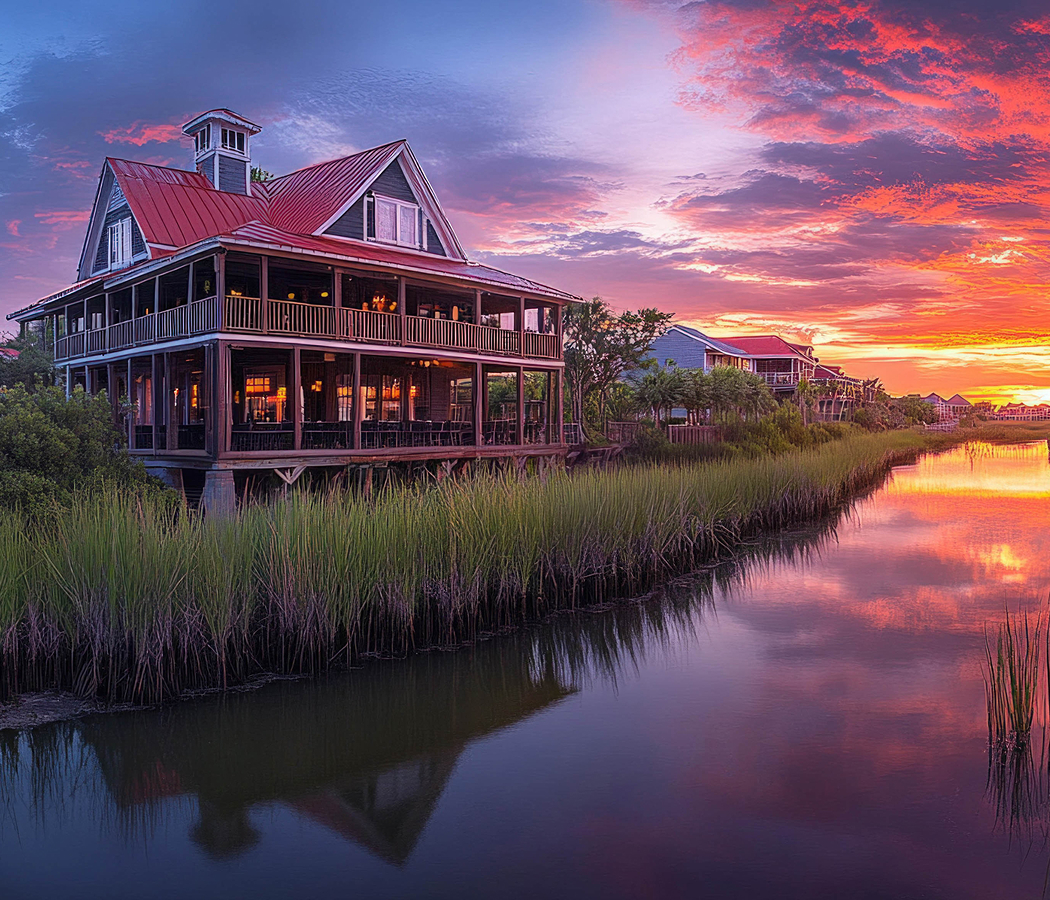
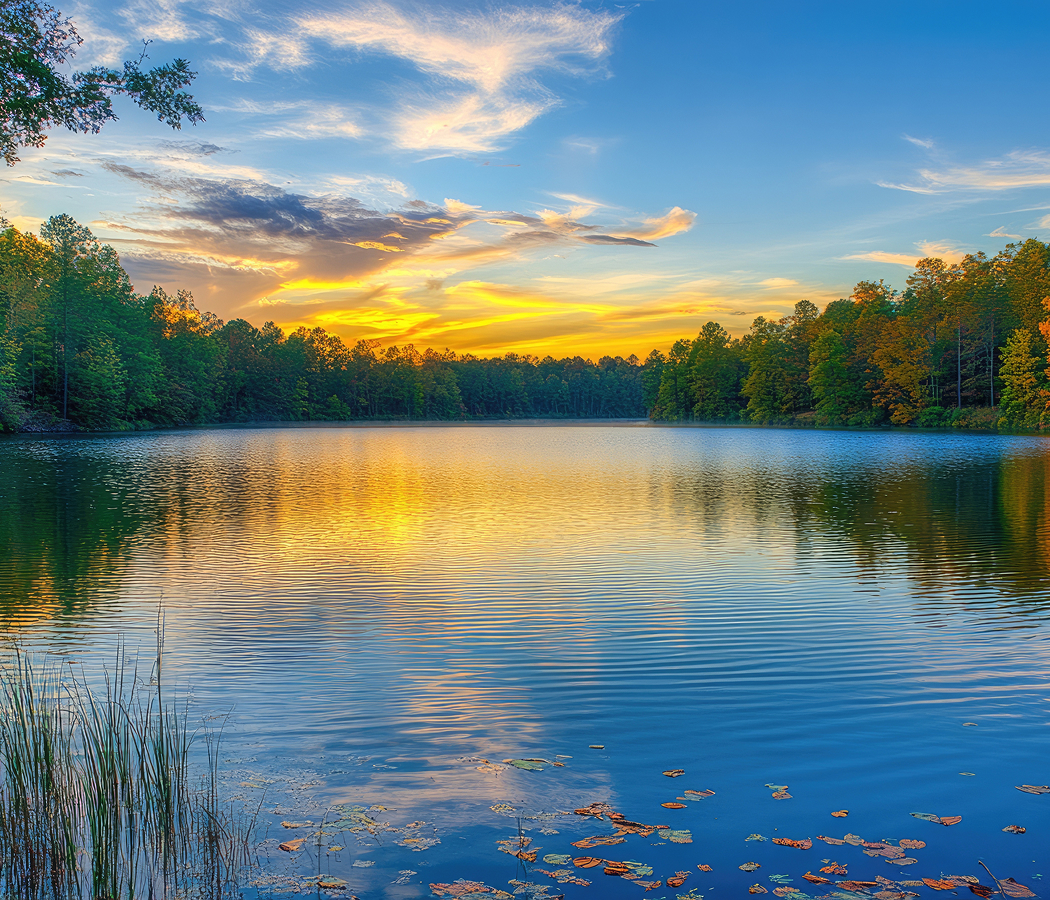
Running through Jonesville between U.S. Highway 278 and Squire Pope Road, this landscaped corridor passes maritime forests, freshwater wetlands, residential communities, equestrian properties, golf courses, and protected open spaces beneath expansive live oak canopies that reflect Hilton Head's long-standing commitment to environmentally sensitive planning. Leisure paths, native vegetation, and preserved woodlands accompany much of the route, maintaining uninterrupted connections between the island's built environment and the surrounding coastal ecosystem. The result is a corridor where transportation infrastructure and natural landscapes continue existing in careful balance.
What defines Dillon Road.
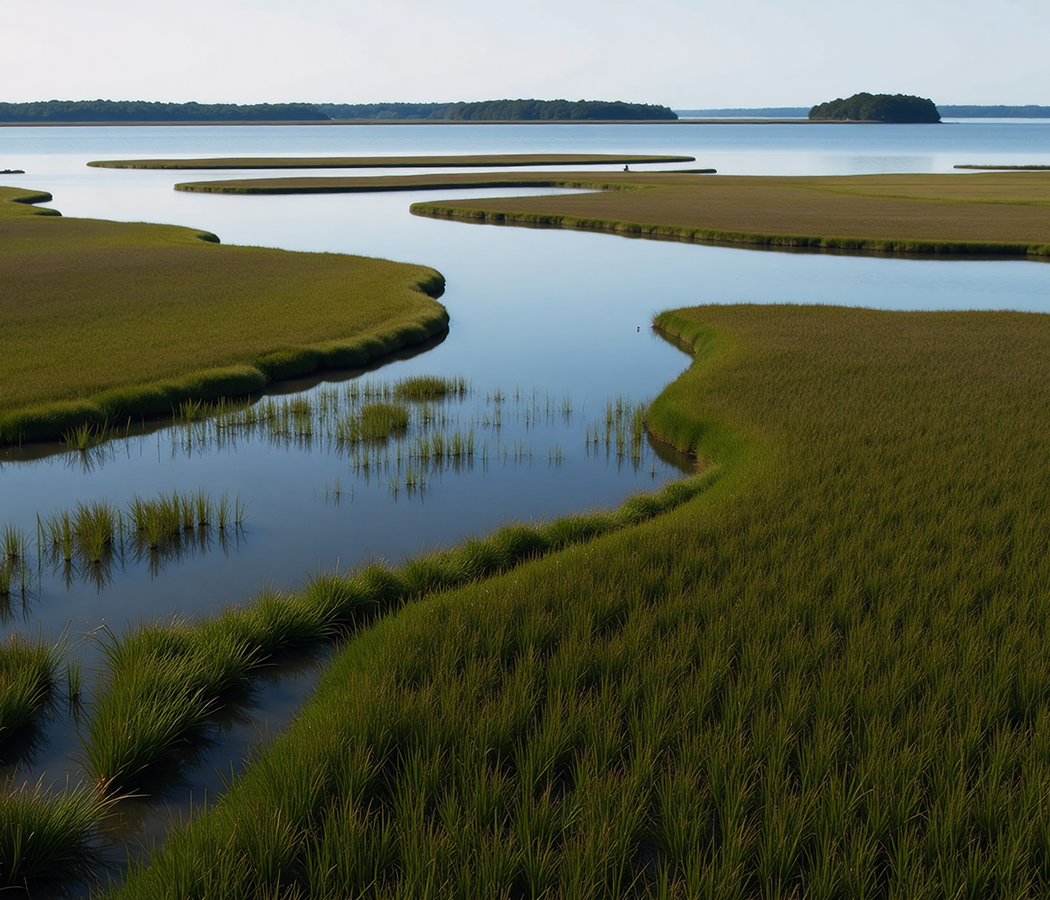
Dillon Road is best known as one of Hilton Head's principal northwestern transportation corridors, connecting U.S. Highway 278 with the island's northwestern residential communities while following portions of one of the earliest inland routes established before the construction of the modern Cross Island Parkway. The roadway is named for the Dillon family, whose agricultural holdings and community presence contributed to the area's early development during the nineteenth and twentieth centuries. Modern improvements accompanied Hilton Head's rapid growth after Charles E. Fraser introduced Sea Pines in 1957, extending conservation-oriented planning principles beyond the island's original resort communities while preserving extensive maritime forests, freshwater wetlands, and natural drainage corridors. Dillon Road provides direct access to Hilton Head Airport, Hilton Head Plantation, Cypress Ridge, Hilton Head High School, Barker Field, and the island's leisure path network spanning more than 60 miles. Its surrounding landscape supports native live oaks, cabbage palmettos, longleaf pines, freshwater ponds, tidal wetlands, white-tailed deer, American alligators, painted buntings, great egrets, and numerous migratory bird species, reflecting the ecological diversity of Hilton Head's barrier-island environment.
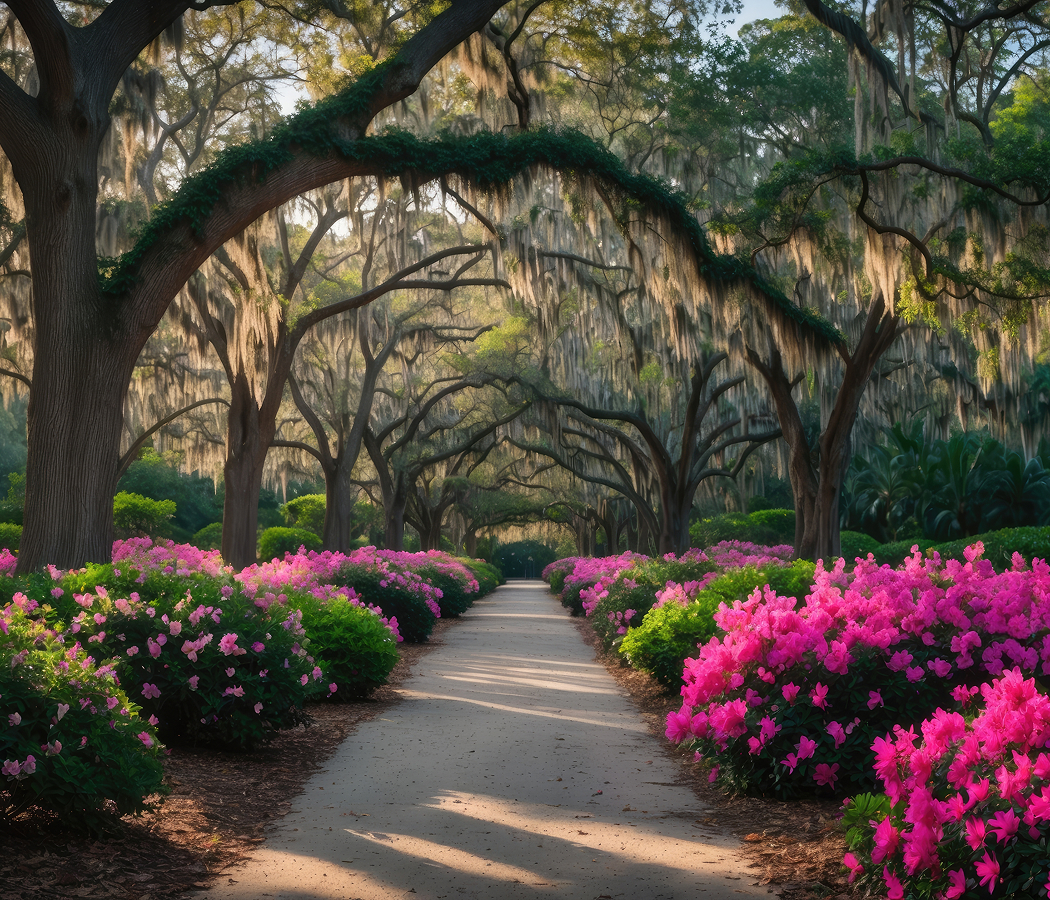
Community parks, educational campuses, recreational facilities, and residential neighborhoods continue reinforcing the corridor's importance to year-round island life while preserving generous green space throughout the surrounding landscape. Shaded leisure paths encourage cycling and walking between neighborhoods, schools, and commercial services, reducing dependence on automobiles while maintaining strong environmental continuity. Protected tree canopies, wetlands, and carefully managed stormwater systems continue supporting the planning philosophy that has distinguished Hilton Head for more than six decades.
How Dillon Road fits.
Dillon Road is best experienced through Hilton Head's natural landscapes, community spaces, and outdoor recreation.
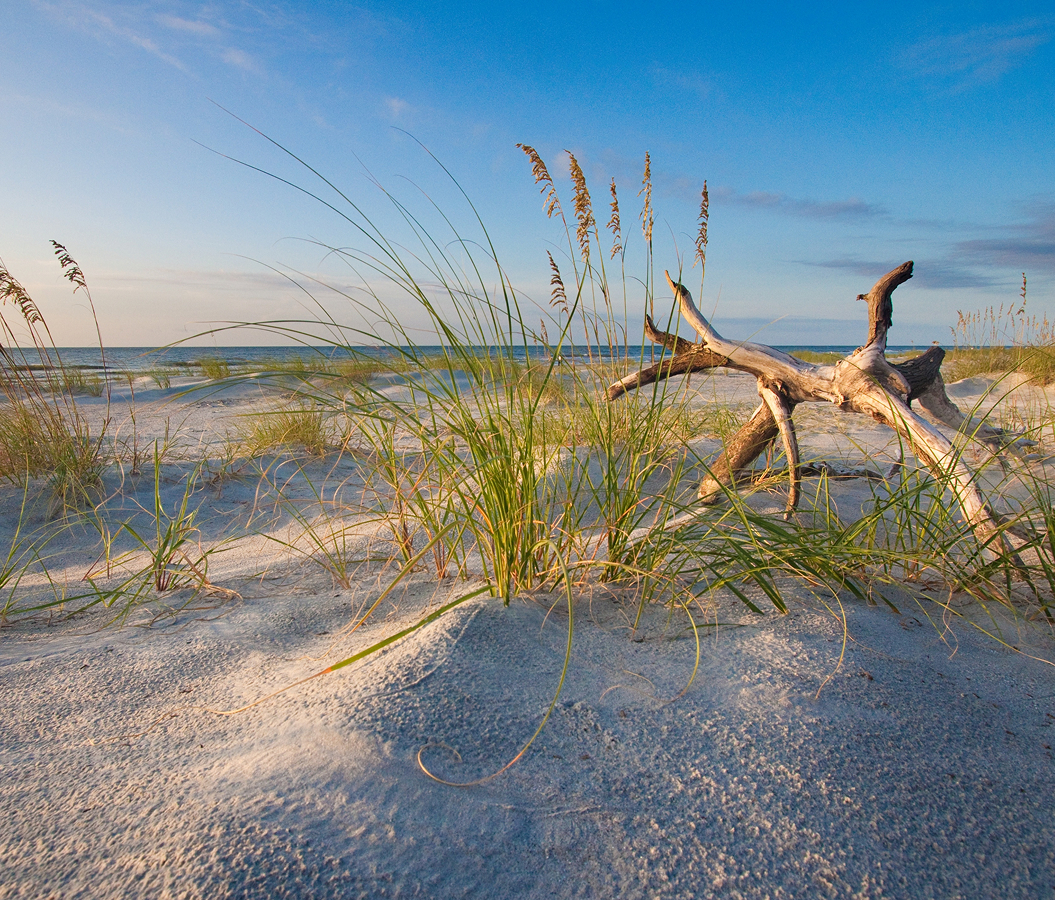
Begin at Fish Haul Beach Park, where broad salt marshes, quiet shoreline, and views across Port Royal Sound introduce the island's northern coastal environment before following Dillon Road inland. Continue to Hilton Head Airport, whose aviation history reflects the island's transformation from a secluded coastal community into an internationally recognized destination. Conclude at Barker Field, where athletic facilities, walking paths, and expansive green space provide a relaxing finish surrounded by preserved Lowcountry landscapes. The progression moves naturally from the shoreline to regional transportation before concluding within one of the island's principal recreational spaces.
Where your story begins.
Foresyte Travel reveals places that feel extraordinary long before you arrive.
Enjoy editorial crafted for luxury travelers.
Foresyte may earn a commission when you book.