Why Forest Street matters.
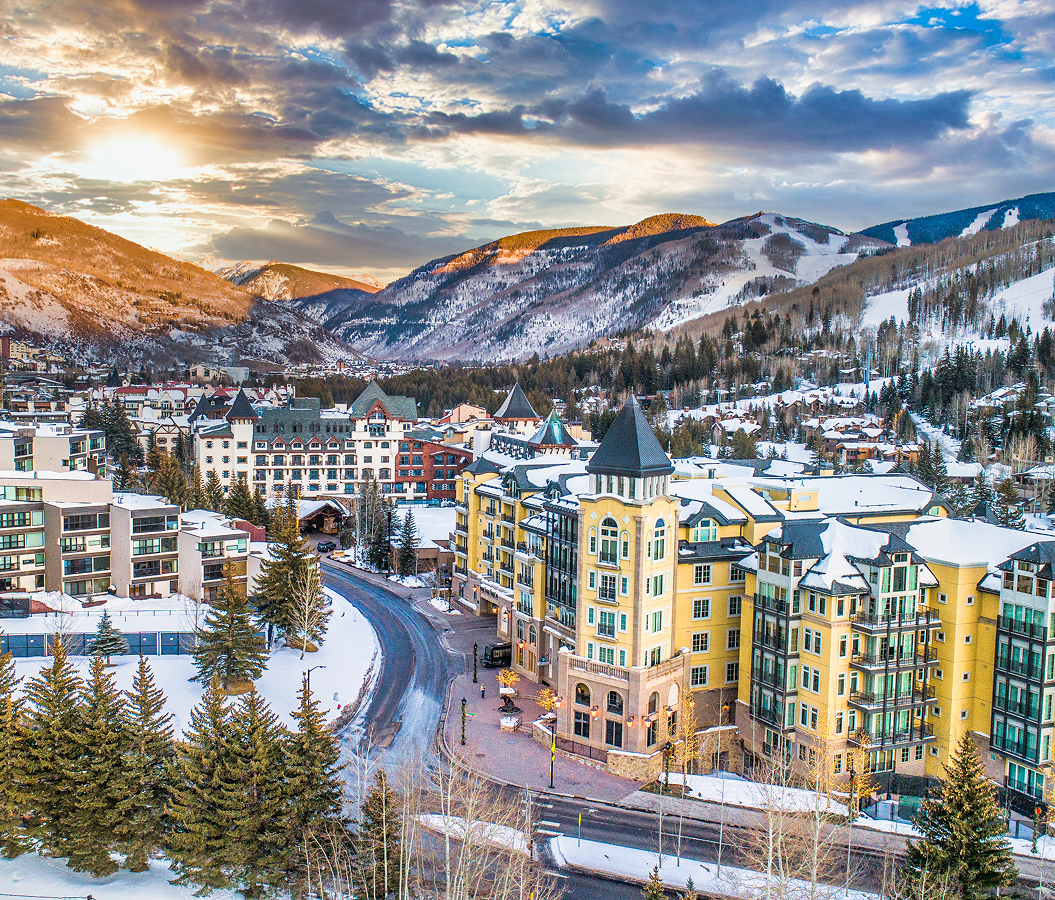
Forest Street is an elegant Park Hill corridor where historic residential architecture, neighborhood tradition, and timeless community character converge along one of East Denver's most distinguished streets.
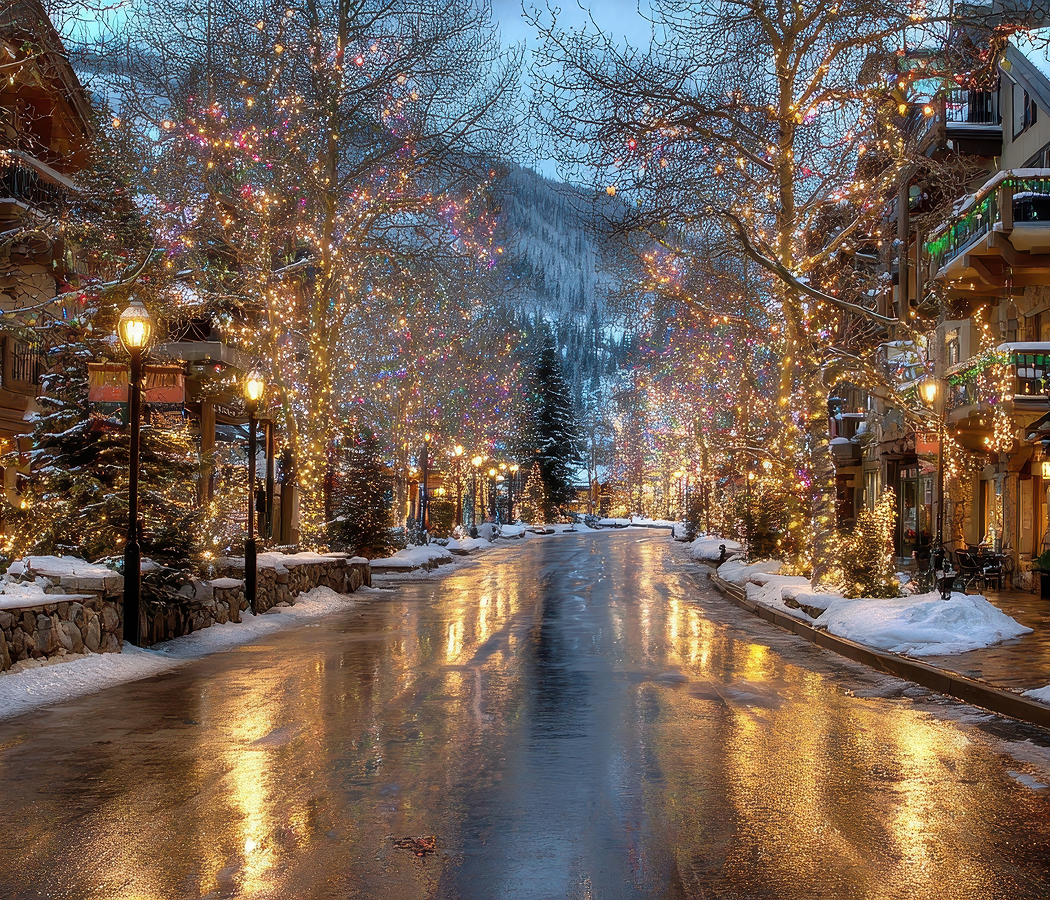
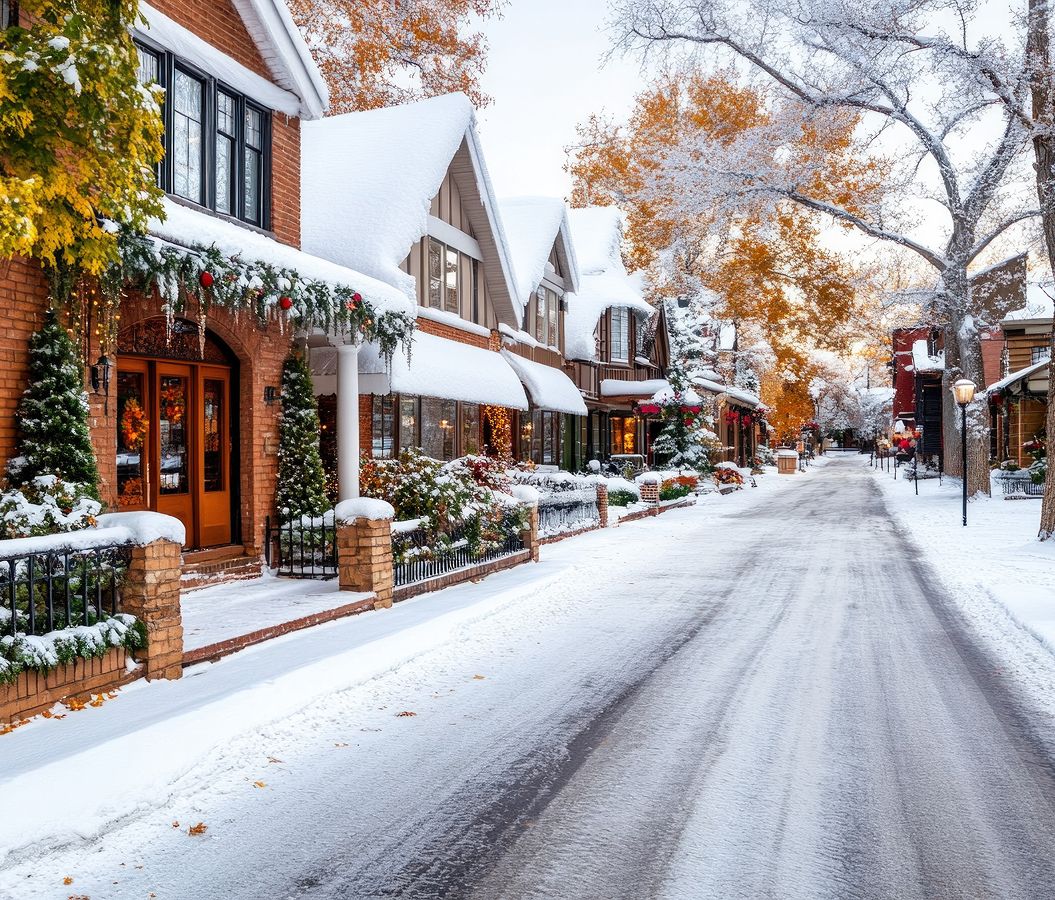
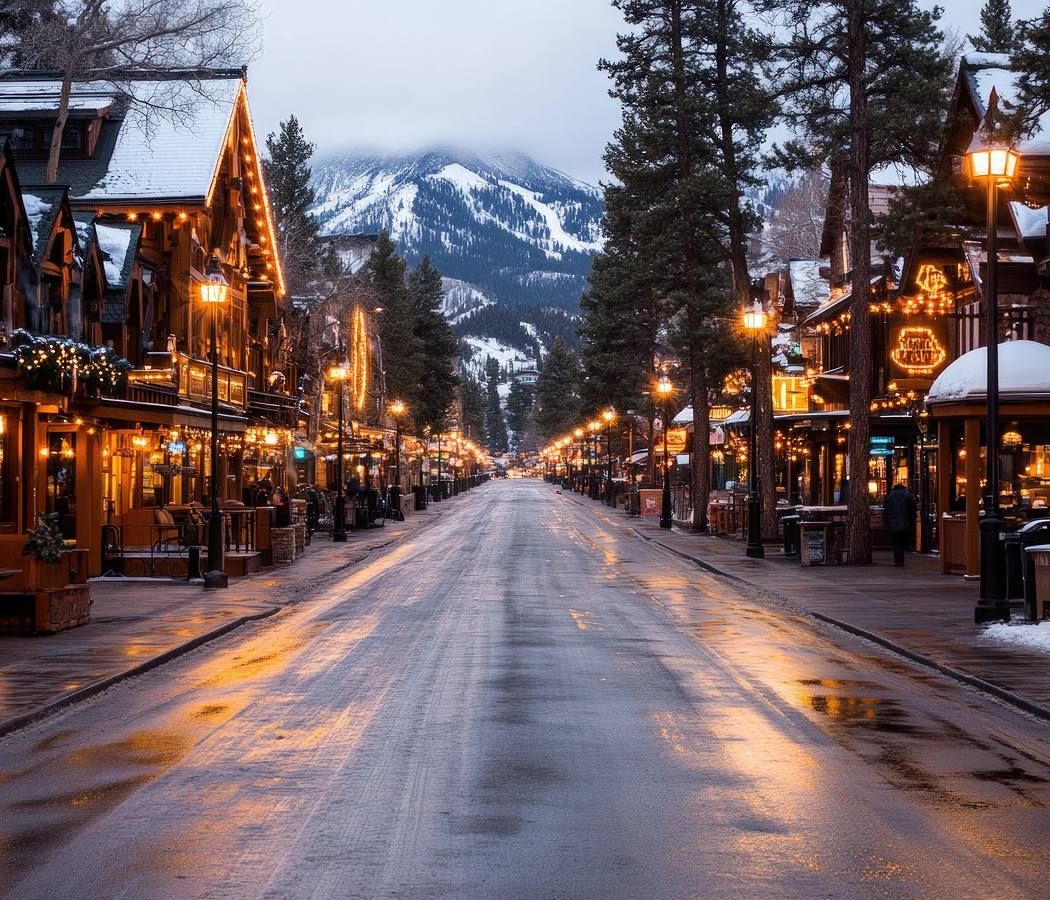
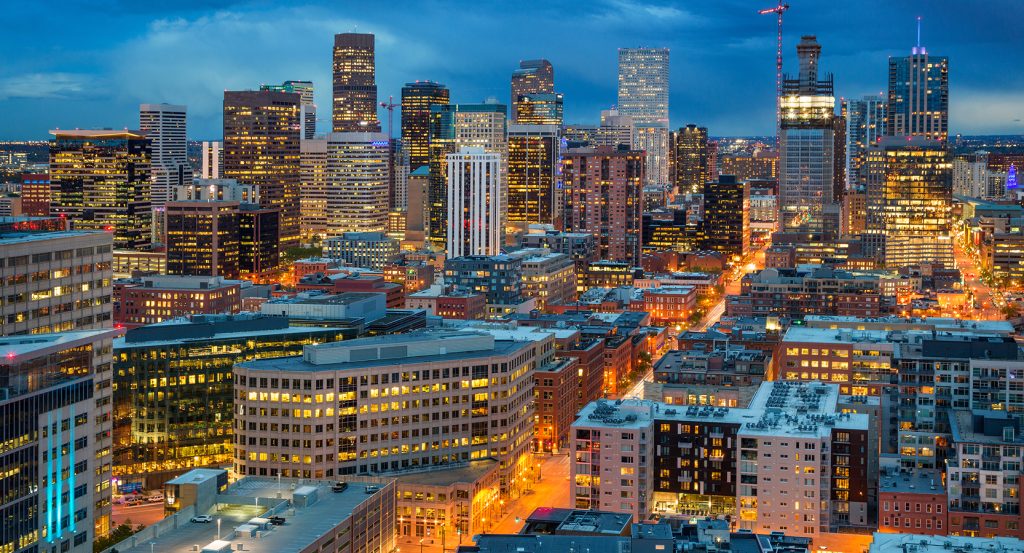
Running through Park Hill, South Park Hill, Montclair, and Hilltop between Hale and Central Park, this tree lined corridor connects beautifully preserved historic homes, neighborhood businesses, community parks, acclaimed schools, and welcoming residential blocks that collectively showcase Denver's remarkable architectural evolution. Classic Denver Squares, Tudor Revival residences, architecturally significant civic buildings, mature tree canopies, locally owned cafés, landscaped parkways, and inviting public spaces create an urban landscape where generations of physicians, educators, entrepreneurs, and families have shaped one of Denver's most admired residential communities. Forest Street developed during the city's streetcar era expansion, evolving into a defining neighborhood connector while preserving the architectural character, walkability, and enduring sense of place that continue to distinguish Park Hill. The result is a corridor defined by architectural elegance, neighborhood vitality, and lasting residential character.
What defines Forest Street.
Forest Street is best known for being home to Park Hill Golf Club, whose Tom Bendelow designed course opened in 1931 and became one of the few Colorado golf courses listed on the National Register of Historic Places.
Designed by Tom Bendelow, widely known as the “Johnny Appleseed of American Golf,” the course became an enduring example of early twentieth century public golf course design while serving generations of Denver residents. Its thoughtfully preserved landscape reflects both Bendelow's influential approach to course architecture and the growing popularity of municipal golf during the era. The club's historic designation has established Forest Street as a corridor connected to one of Denver's most significant recreational landmarks, blending sporting heritage with the neighborhood's longstanding residential appeal.
How Forest Street fits.
Forest Street works as an exploration of Denver's historic neighborhoods, outdoor recreation, and cultural attractions.
Begin at Park Hill Golf Club, where one of Colorado's most historically significant golf courses immediately establishes the corridor's defining recreational identity. Continue toward City Park, where scenic lakes, panoramic Front Range views, and beautifully landscaped gardens provide broader perspective on the civic landscape that has shaped the surrounding neighborhoods for more than a century. From there, make your way to the Denver Museum of Nature & Science, where internationally acclaimed exhibitions, immersive planetarium experiences, and extraordinary scientific collections provide a memorable conclusion while celebrating one of Colorado's premier educational institutions. Along the route, you'll encounter architecturally significant residences, welcoming public spaces, thriving neighborhood cafés, beautifully maintained parkways, historic civic landmarks, and tree lined residential streets that reveal the corridor's exceptional depth. The progression moves naturally from a nationally recognized historic golf course to Denver's signature urban park to a world class science museum, demonstrating how Forest Street connects recreational heritage, community life, and cultural discovery within the heart of Park Hill.
Where your story begins.
Foresyte Travel reveals places that feel extraordinary long before you arrive.
Enjoy editorial crafted for luxury travelers.
Foresyte may earn a commission when you book.