
Why you should experience Hotel Dolonne in Italy.
Hotel Dolonne is where centuries of alpine history, medieval stone architecture, and a warm, quietly nostalgic atmosphere come together so naturally that your stay feels like stepping into the most authentic heart of Courmayeur's past.
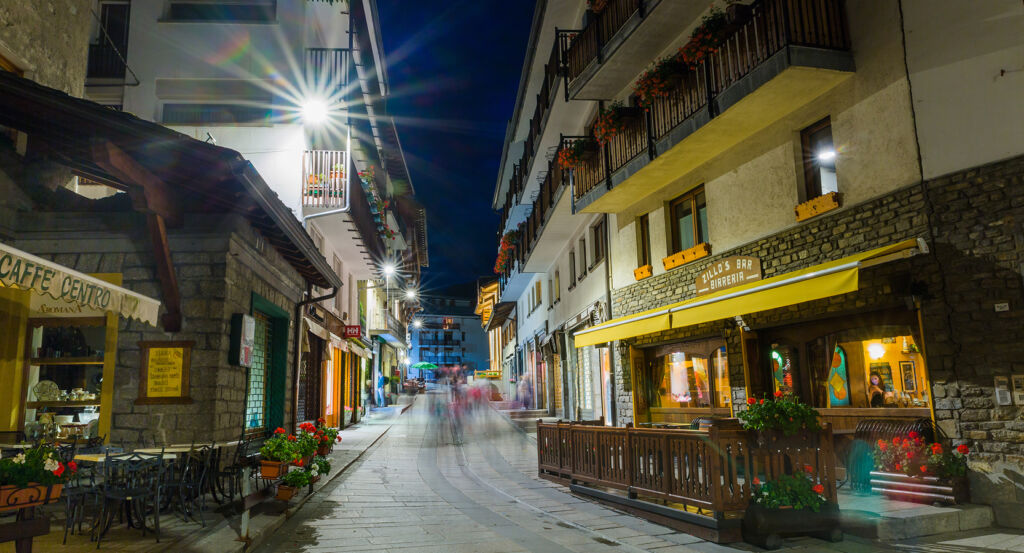
Set in the ancient, storybook hamlet of Dolonne, a small medieval village connected to Courmayeur by cobblestone paths, stone bridges, and lantern-lit walkways, the hotel occupies a fortified 16th-century structure that still carries the soul of the mountains in every wall, archway, and timber beam. From the outside, it feels like entering a fragment of alpine heritage preserved through time: stone façades worn smooth by centuries of wind, wood shutters weathered by countless winters, vaulted entrances, thick walls, and peaceful courtyards that echo with the quiet of old mountain life. Step inside and the property's character deepens into something rare and deeply comforting. The hotel's interiors, arched ceilings, exposed stone, heavy wooden beams, antique furniture, terracotta floors, warm lighting, and tapestries, create a mood that feels equal parts cozy and historic, like living inside an alpine storybook. Every room carries its own unique layout shaped by the building's medieval origins. Some are tucked beneath sloped wooden ceilings; others open into stone-framed balconies; others include alcoves, timber-framed windows, or charming rustic nooks shaped by the original architecture. Expect warm bedding, natural fabrics, a soothing hush, and an atmosphere that feels grounding in a way only old buildings can provide. Bathrooms are simple, clean, and thoughtfully maintained, respecting the constraints and beauty of the centuries-old structure while still offering modern comfort. The restaurant is one of Hotel Dolonne's greatest treasures: a dining room filled with ancient stonework, candlelit ambiance, and a warmth that amplifies every flavor of Aosta Valley cuisine. Meals here feel like sitting down inside a mountain refuge built across generations. Expect traditional dishes crafted with sincerity, polenta with local Fontina, soups infused with herbs, handmade pastas, roasted meats, hearty casseroles, mountain vegetables, aged cheeses, and desserts that taste like alpine tradition. Breakfast continues the pattern: pastries, breads, yogurt, fruit, cakes, eggs, charcuterie, cheeses, jams, cereals, and rich Italian coffee served slowly and warmly. The lounge and common areas offer additional charm, stone alcoves, wooden seating, intimate corners, fireplaces, and that unmistakable medieval mountain atmosphere that makes time feel slower. Location is exceptional for those who want authenticity and direct access to the slopes. The Dolonne cable car is only a short walk away, meaning you can slip directly from the medieval quiet of the hamlet into the sunlit expanse of Courmayeur's ski area. The hamlet itself, Dolonne, is among the most special parts of Courmayeur: narrow lanes lined with stone houses, tiny churches, archways, and a peaceful rhythm far removed from modern noise. Staff elevate everything with warmth, sincerity, and a reflective love for the hotel's history. Their hospitality feels personal, attentive, and grounded in the pride of caring for a structure that has welcomed travelers for centuries.
What you did not know about Hotel Dolonne.
Hotel Dolonne occupies one of the most historically significant pieces of land in the entire Courmayeur region, an area shaped by glacial power, Celtic settlement, Roman transit, medieval fortification, and the earliest roots of the Aosta Valley's alpine culture.
Long before the hamlet of Dolonne existed, the ground beneath the hotel was carved by the retreating Brenva Glacier. As the glacier withdrew thousands of years ago, it sculpted the terraces, outcrops, and slopes that later became natural foundations for safe hillside villages. The Mont Blanc massif towering above was formed millions of years earlier by tectonic uplift, creating the dramatic cliffs and ridges that shaped the valley's weather patterns, water systems, and early settlement zones. Before the arrival of Rome, the land belonged to the Salassi, a Celtic-Alpine tribe known for their engineering skill, terraced agriculture, and mountain spiritual practices. The hamlet's earliest pathways trace back to the Salassi era, when these slopes were used to connect grazing fields, seasonal shelters, and water sources. When the Romans conquered the region in 25 BC, Dolonne sat near a secondary route feeding into the Via delle Gallie, the main Roman road linking Italy to Gaul. Roman influence shaped the retention walls, agricultural patterns, and orientation of early buildings in this area. Archaeological traces around the hamlet suggest that Roman-era workshops and storage points once occupied nearby terraces. The medieval period transformed Dolonne into a fortified agricultural village. Its buildings, many still intact, were constructed with thick stone walls to protect from harsh winters, stacked roofs to shed heavy snow, and enclosed courtyards to preserve warmth and safety. The structure that is now Hotel Dolonne was originally part of a defensive residential complex, used as a noble house, granary, and community gathering point. Its irregular floor plan and thick walls are direct remnants of its 16th-century origin. The small chapel of Dolonne, steps away from the hotel, dates to the same era and was part of the hamlet's spiritual heart for centuries. Through the 17th and 18th centuries, Dolonne remained intimately tied to seasonal agriculture and transhumance. The hamlet produced rye, chestnuts, dairy, and wool, while its elevated, sunnier orientation made it ideal for early spring grazing. Buildings were designed using traditional techniques: stone foundations, larch beams, handcrafted wood joints, and ventilation patterns optimized for drying hay and storing provisions. During the 18th and 19th centuries, Courmayeur became a center for mountaineering and scientific exploration. Dolonne, with its quiet location and traditional architecture, served as a base for early guides, climbers, and researchers studying the southern routes of Mont Blanc. Paths used by the Compagnia delle Guide di Courmayeur, founded in 1850, pass near the hamlet, and many early ascents began from this side of the village. Wildlife has been part of the ecological fabric here for millennia: ibex navigating rocky cliffs, chamois grazing steep slopes, marmots whistling across meadows, foxes hunting along forest lines, and golden eagles circling overhead. Their presence shaped folklore, hunting traditions, seasonal rhythms, and agricultural cycles.
How to fold Hotel Dolonne into your trip.
Hotel Dolonne becomes the historic, atmospheric, village-soul anchor of your Courmayeur stay, a place where mornings unfold in stone-arched calm, days open into alpine adventure, and evenings return you to quiet, candlelit warmth in one of Italy's most authentic hamlets.
Begin your morning with breakfast served beneath wooden beams and ancient stone: pastries, breads, cakes, yogurt, fruit, eggs, cheeses, charcuterie, cereals, and rich Italian coffee. After breakfast, walk a few minutes through Dolonne's cobblestone lanes to reach the cable car for a day on Courmayeur's slopes. Enjoy sunlit groomers, forest-filled runs, panoramic ridgelines, scenic bowls, and long Italian mountain lunches, polenta, pasta, soups, grilled meats, Fontina cheese, tiramisu, and wine savored slowly. If you prefer a slower winter day, stroll into Courmayeur, visit cafés and boutiques along Via Roma, explore Entrèves, or ride the Skyway Monte Bianco to ascend into the world of ice and sky at 3,466 meters. In summer, use Hotel Dolonne as your base for balcony trails, rifugio lunches, alpine lakes, wildflower meadows, waterfalls, and panoramic hikes across Val Ferret and Val Veny. Return in the afternoon to the quiet of the hamlet, stone walls warmed by sun, wooden balconies glowing, the faint sound of water flowing through the valley. Evenings at Hotel Dolonne feel timeless: candlelit dinners in the medieval dining room, soft conversation in stone alcoves, or a gentle walk through Dolonne's lantern-lit paths. Return to your room for a peaceful night wrapped in mountain silence, cool alpine air drifting through a centuries-old window frame. Hotel Dolonne becomes not just where you stay, but the historic, atmospheric, Alpine-soul center of your entire Courmayeur journey.
Where your story begins.
Foresyte Travel reveals places that feel extraordinary long before you arrive.
Experience premium editorial crafted for luxury travelers.




















































































































