Why you should experience Hotel Parsenn in Switzerland.
Hotel Parsenn is where old-world alpine charm meets the exhilarating pull of the mountains, creating a stay that feels both timelessly Swiss and rooted in the beating heart of Davos's ski culture.
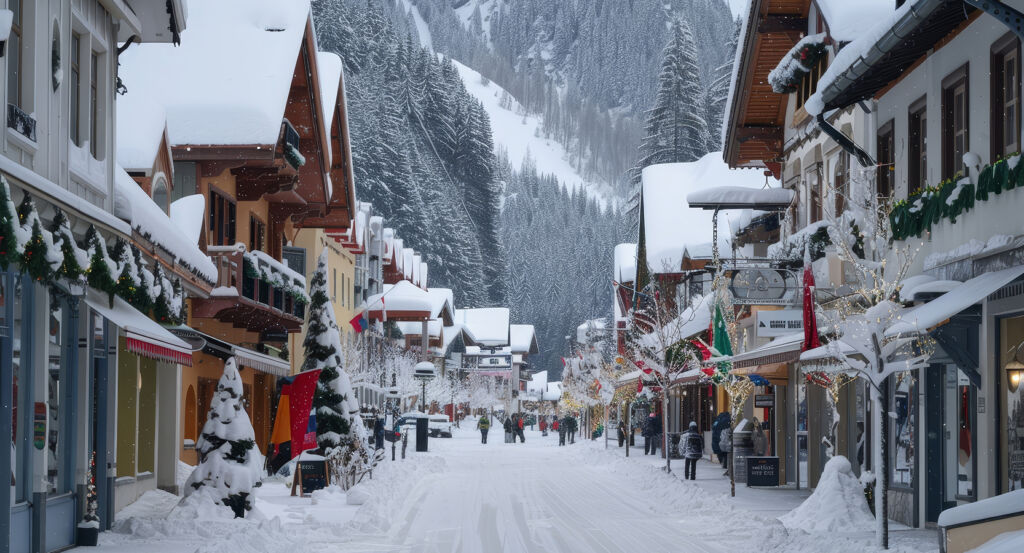
Located steps from the Parsennbahn funicular, among the valley's most iconic gateways into high-alpine skiing and summer hiking, Hotel Parsenn stands as a classic, family-run Swiss mountain hotel with more than a century of heritage. Its façade blends traditional chalet architecture with elegant modern updates: wooden balconies, flower boxes in summer, warm lights glowing through winter evenings, and a presence that feels woven into the town's original alpine identity. Step inside, and the hotel unfolds into an atmosphere of warmth, history, and classic mountain hospitality. Expect polished wood, alpine textiles, deep carpets, soft lighting, and an inviting mix of tradition and contemporary comfort. Lounges and common spaces carry the unmistakable feeling of a multi-generational mountain hotel, intimate, familiar, and filled with quiet stories from decades of alpine travelers. Rooms at Hotel Parsenn echo this spirit of cozy, traditional warmth. Expect wood-paneled walls, plush bedding, soft lighting, thick curtains, charming alpine accents, and windows or balconies that open onto views of snow-covered slopes, forested hillsides, or the peaceful streets of Davos Dorf. Interiors blend rustic charm with modern convenience, creating rooms that feel like a true retreat after long days outdoors. Bathrooms are clean, bright, and functional with modern fixtures, glass showers or tubs, polished surfaces, and amenities designed for post-ski or post-hike refreshment. Dining at Hotel Parsenn is deeply rooted in Swiss culinary tradition. The hotel restaurant offers a warm, atmospheric setting for dishes shaped by regional ingredients, mountain herbs, hearty soups, tender meats, local cheeses, rustic breads, fresh vegetables, and Alpine desserts that celebrate Davos's culinary heritage. Expect fondue, rösti, alpine specialties, and refined Swiss comfort foods served with genuine hospitality. Breakfast is generous and heartening, breads, pastries, eggs, cheeses, yogurt, cereals, charcuterie, fruit, jams, juices, and strong Swiss coffee arranged in a bright, inviting dining room that fills with morning light. The bar and lounge provide a perfect après-ski hub: warm wood, low lighting, quiet music, cozy seating, and a nostalgic atmosphere that makes every drink feel like part of a timeless mountain ritual. One of Hotel Parsenn's defining advantages is its unbeatable proximity to the Parsennbahn. In winter, guests walk just a few steps to begin their ski day, accessing renowned slopes, wide descents, panoramic ridge lines, and the kind of high-Alpine ski terrain that made Davos famous. In summer, the same lift offers access to broad hikes, scenic peaks, wildflower meadows, and mountain huts serving hearty local food. Staff at Hotel Parsenn elevate the experience through warm, personal, authentic service, attentive without being formal, deeply knowledgeable about the valley, and committed to maintaining the familial feel that has defined the hotel for generations. Hotel Parsenn is classic, charming, slope-side, nostalgic, warm, and perfect for travelers who want a true Swiss mountain experience rooted in the traditions of Davos.
What you did not know about Hotel Parsenn.
Hotel Parsenn sits on one of Davos's most historically significant alpine corridors, a place where the valley's skiing character was forged and where early mountain hospitality took its first steps.
Long before Davos was a winter sports destination, the land around modern-day Hotel Parsenn was part of the original Walser settlement zone of Davos Dorf. Alpine farmers built small wooden houses here; cattle grazed the surrounding meadows; and early trade and transport routes passed along what is now the main thoroughfare. In the 19th century, when Davos became world-famous for its therapeutic climate, this area remained close to the valley's farms and working families. The sanatoriums were built higher on the slopes, leaving the valley-floor neighborhoods as supportive communities for the influx of long-term convalescents. Yet even during this era, the slopes behind the hotel played a role in daily life, forested trails and alpine footpaths connected small farms to winter shelters and summer grazing areas. The turning point arrived with the birth of alpine skiing. By the early 20th century, Davos had become one of the pioneers of European ski culture. Skiers began to ascend the Parsenn slope, first on foot, later with early lifts, and the surrounding land became a gathering place for winter adventurers, sporting clubs, and mountain guides. The construction of the Parsennbahn in 1931 transformed the area into the beating heart of Davos's ski world. The funicular made the transition from village to mountain seamless, attracting visitors from across Europe. With this influx came the need for lodging, and early alpine inns sprang up near the station, including the roots of what would become Hotel Parsenn. As Davos expanded, the hotel evolved alongside it, growing from a simple alpine shelter into a charming, multi-generational mountain hotel that welcomed families, athletes, mountaineers, early skiers, and visitors attending conferences. Through the decades, Hotel Parsenn became closely tied to the tradition of annual ski pilgrimages; for many European families, it became a generational ritual to return to the same rooms, slopes, and familiar staff year after year. Beneath the current structure lie traces of early agriculture, old boundary stones, fragments of Walser-era wooden foundations, and remnants of footpaths that predate skiing by centuries. The land also carries the imprint of early ski culture: staging areas once used for wooden-ski demonstrations, meeting points for alpine clubs, and the original alignments for pre-funicular ski routes. Today, Hotel Parsenn stands as a living piece of Davos history, a place where the past and present of alpine life converge, shaped by farmers, pioneers, families, and generations of mountain travelers.
How to fold Hotel Parsenn into your trip.
Hotel Parsenn becomes the cozy, slope-side, tradition-rich anchor of your Davos journey, a place where mornings begin with alpine light, days unfold into high-mountain adventure, and evenings return you to warm, nostalgic chalet comfort.
Start the morning with breakfast in the hotel's bright dining room, breads, pastries, cheeses, eggs, yogurt, fruit, cereals, jams, charcuterie, juices, and strong coffee to fuel your day. After breakfast, walk just a few steps to the Parsennbahn. In winter, ascend into panoramic snowfields, long descents, alpine huts, and wide, sunlit slopes. In summer, choose from gentle meadow walks, extensive ridge trails, or ambitious peak hikes, all beginning from the mountaintop station. Return in the afternoon for a drink in the cozy bar or a quiet moment in your room with the balcony door open to fresh mountain air. Wander through Davos Dorf, explore the Promenade, or take a scenic walk toward Lake Davos. Dinner at the hotel brings warm, hearty, traditional Alpine flavors in a setting shaped by wood, soft light, and genuine Swiss hospitality. After dinner, unwind in the lounge, step outside for a nighttime stroll beneath crisp mountain sky, or simply settle into your room and let the quiet embrace of the Alps drift over you. End your night wrapped in warm bedding, surrounded by stillness and the timeless atmosphere of a classic Swiss mountain hotel. Hotel Parsenn becomes not just where you stay, but the charming, slope-side, tradition-woven core of your entire Davos experience.
Where your story begins.
Foresyte Travel reveals places that feel extraordinary long before you arrive.
Experience premium editorial crafted for luxury travelers.