Why you should experience Wormsloe State Historic Site Trail in Savannah, Georgia.
Wormsloe State Historic Site Trail is a remarkable interpretive trail where Isle of Hope's colonial history, maritime forests, archaeological preservation, and coastal landscapes reveal one of Georgia's oldest surviving settlements.
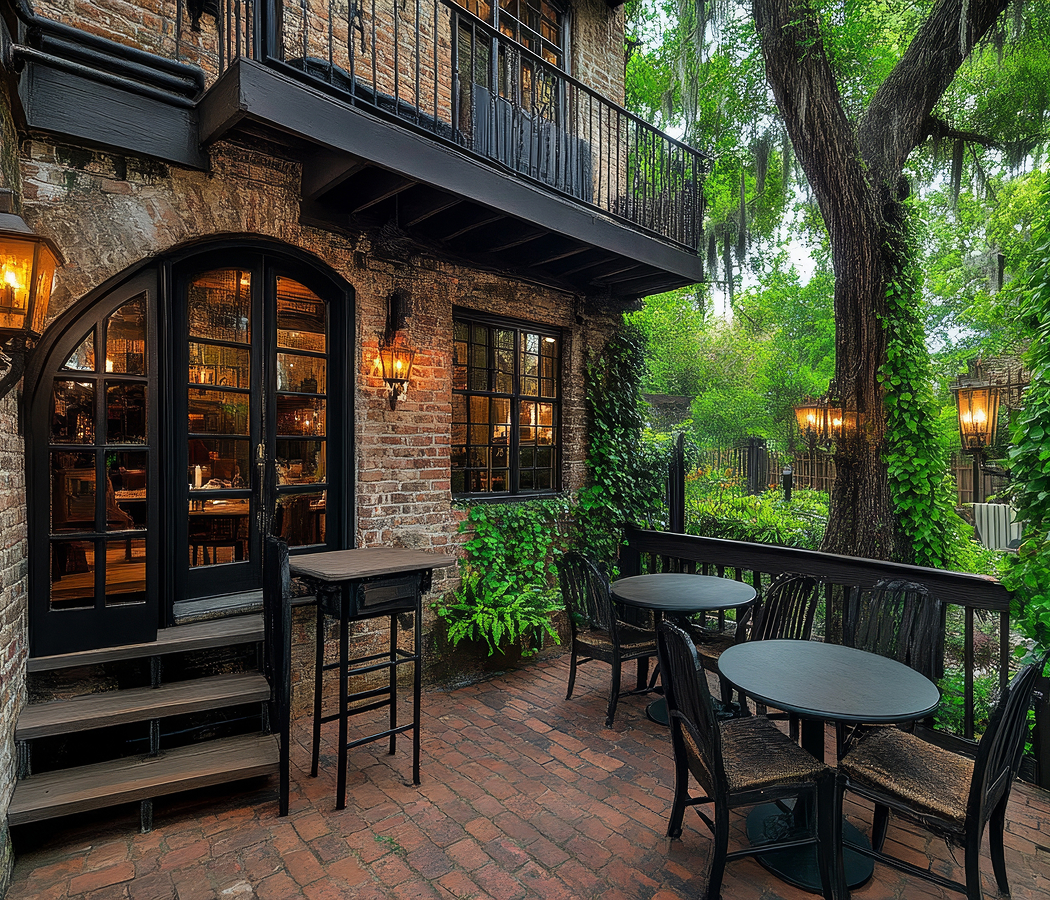
Set along Wormsloe Road near Skidaway Road and just steps from the Wormsloe Historic Site Museum, this scenic interpretive trail combines moss-draped live oaks, dense maritime forests, elevated marsh overlooks, colonial archaeological remains, reconstructed eighteenth-century structures, and peaceful woodland paths that immerse visitors in nearly three centuries of Georgia's colonial history. Every section of the trail reveals another chapter of the state's earliest settlement while preserving an exceptional blend of natural beauty and historical interpretation. The result is an experience defined by colonial heritage, environmental stewardship, and extraordinary historical authenticity.
What you should know about Wormsloe State Historic Site Trail.
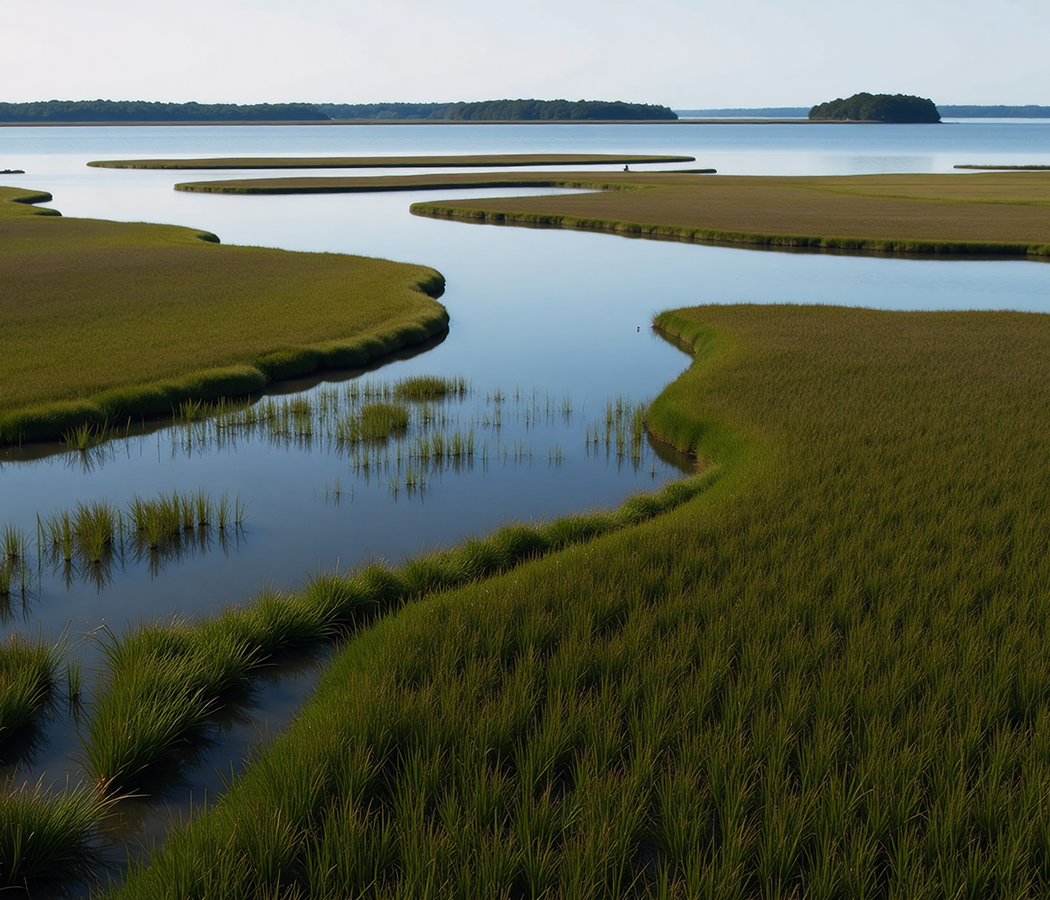
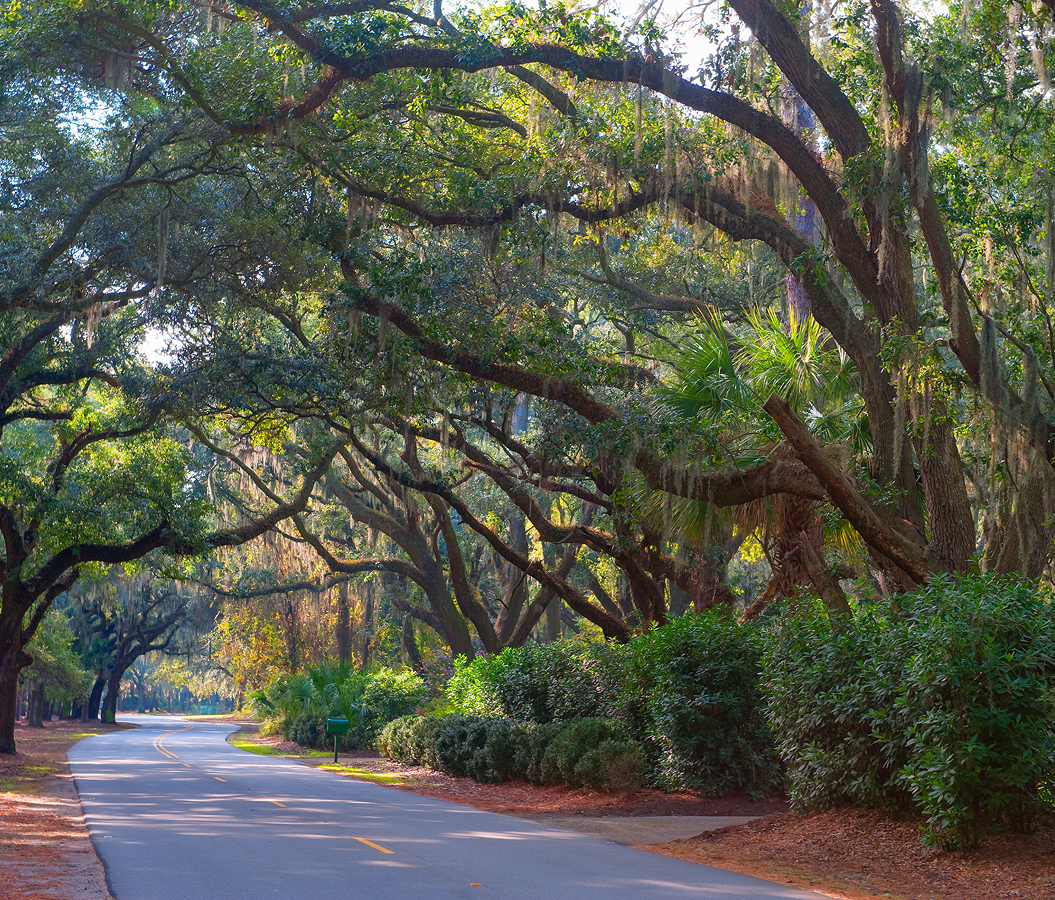
Wormsloe State Historic Site Trail is best known for leading visitors through the original landscape of Noble Jones' colonial estate, connecting Georgia's oldest standing tabby ruins with reconstructed eighteenth-century settlements and pristine maritime ecosystems across one of the state's most significant archaeological landscapes. The interpretive trail begins beyond Wormsloe's celebrated 1.5-mile live oak avenue, whose nearly 400 live oak trees, planted during the 1890s, have become one of the South's most photographed landscapes. From the museum, the trail traverses dense maritime forest before reaching the fortified tabby ruins constructed between 1739 and 1745, among the oldest surviving English-built structures in Georgia and the oldest standing tabby ruins in Savannah. Beyond the ruins, visitors continue toward the Colonial Life Area, where reconstructed wattle-and-daub dwellings, a blacksmith forge, agricultural structures, and living-history demonstrations demonstrate the daily routines of Georgia's earliest colonists. The broader trail network extends seven miles through maritime forest, freshwater wetlands, and salt marshes overlooking the Skidaway Narrows, preserving landscapes once defended by Captain Noble Jones, among General James Oglethorpe's original settlers who received a 500-acre land grant in 1736 to establish Wormsloe as part of Georgia's coastal defensive network. Along the route, interpretive exhibits explain colonial engineering, tabby construction, native ecology, military strategy, archaeology, and eighteenth-century settlement patterns while highlighting artifacts recovered through decades of archaeological excavations. Today the trail forms the educational backbone of the 822-acre Wormsloe State Historic Site, allowing visitors to experience the same coastal environment that shaped Georgia's colonial frontier nearly three centuries ago.
The trail experience unfolds through remarkably intact maritime forests, elevated boardwalks, historic earthworks, oyster-shell tabby masonry, and carefully preserved archaeological resources that demonstrate the relationship between colonial settlement and the surrounding coastal environment. Long-term stewardship by the Georgia Department of Natural Resources has preserved native habitats, interpretive infrastructure, and one of the Southeast's finest surviving colonial cultural landscapes while supporting educational programming, archaeological research, birdwatching, and living-history demonstrations throughout the year. Every section demonstrates how environmental conservation, historical preservation, and archaeological interpretation combine to create one of Georgia's most influential outdoor museums.
How to fold Wormsloe State Historic Site Trail into your trip.
Wormsloe State Historic Site Trail works as part of an exploration through Savannah's celebrated colonial landscapes.
Begin at the Wormsloe Historic Site Museum, where archaeological artifacts and exhibits introduce Noble Jones and Georgia's colonial origins before following the Wormsloe State Historic Site Trail. Continue to the Wormsloe Tabby Ruins, whose fortified remains preserve one of Georgia's oldest surviving colonial structures. Conclude at the Pin Point Heritage Museum, where the enduring traditions of Savannah's Gullah Geechee community provide a memorable finale celebrating the region's rich coastal heritage. The progression moves naturally from historical interpretation to colonial archaeology before concluding with one of coastal Georgia's most important cultural institutions, revealing why Wormsloe State Historic Site Trail remains one of the state's defining historical experiences.
Where your story begins.
Foresyte Travel reveals places that feel extraordinary long before you arrive.
Experience premium editorial crafted for luxury travelers.