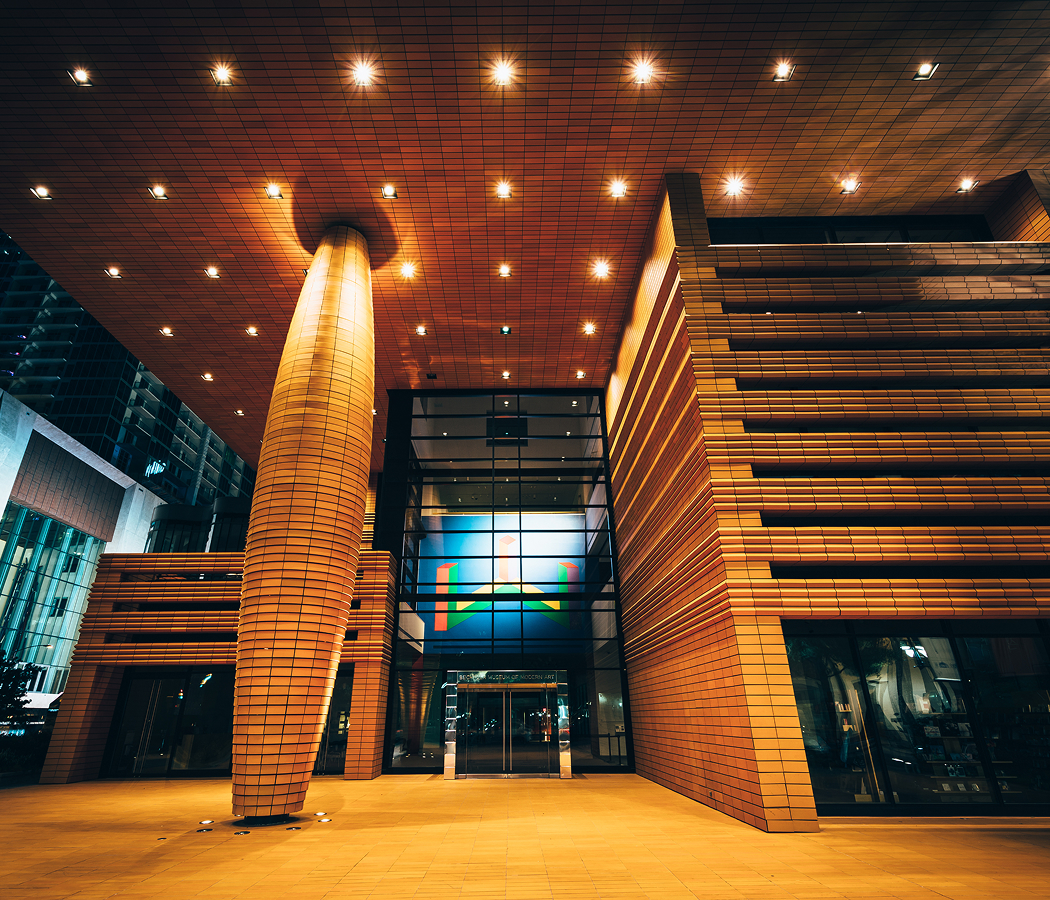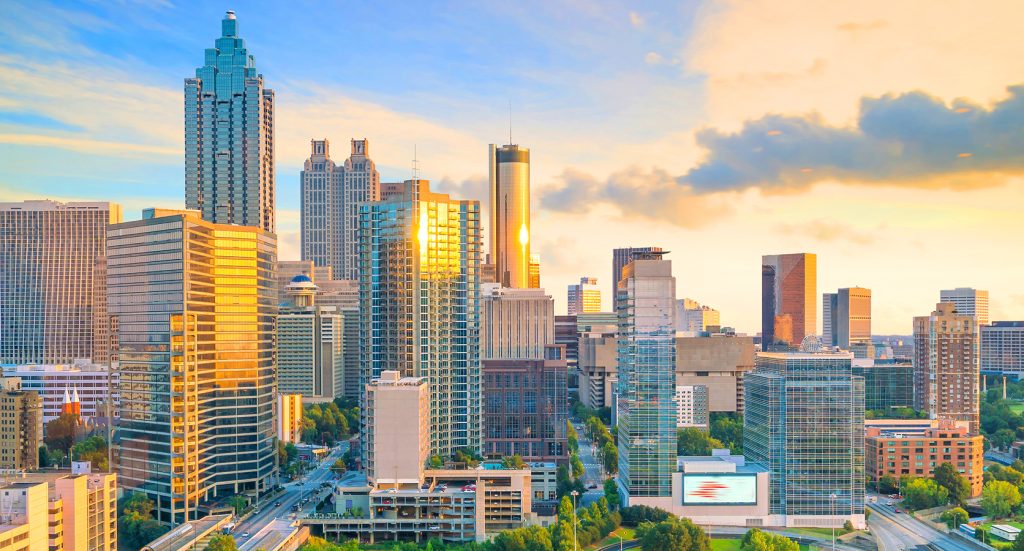
Why you should experience John Portman Boulevard in Atlanta, Georgia.
John Portman Boulevard is an ambitious corridor where Downtown's architectural innovation, convention leadership, hospitality prominence, and civic ambition converge along one of the city's defining urban thoroughfares.
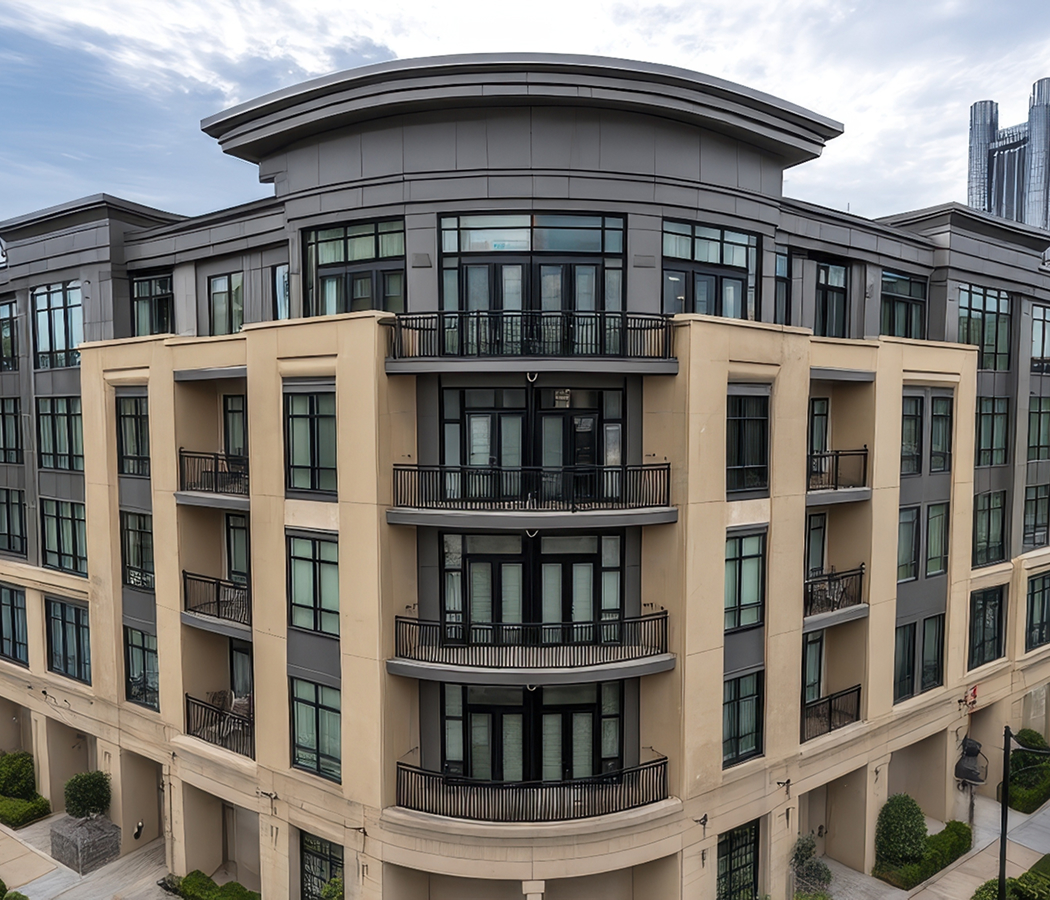
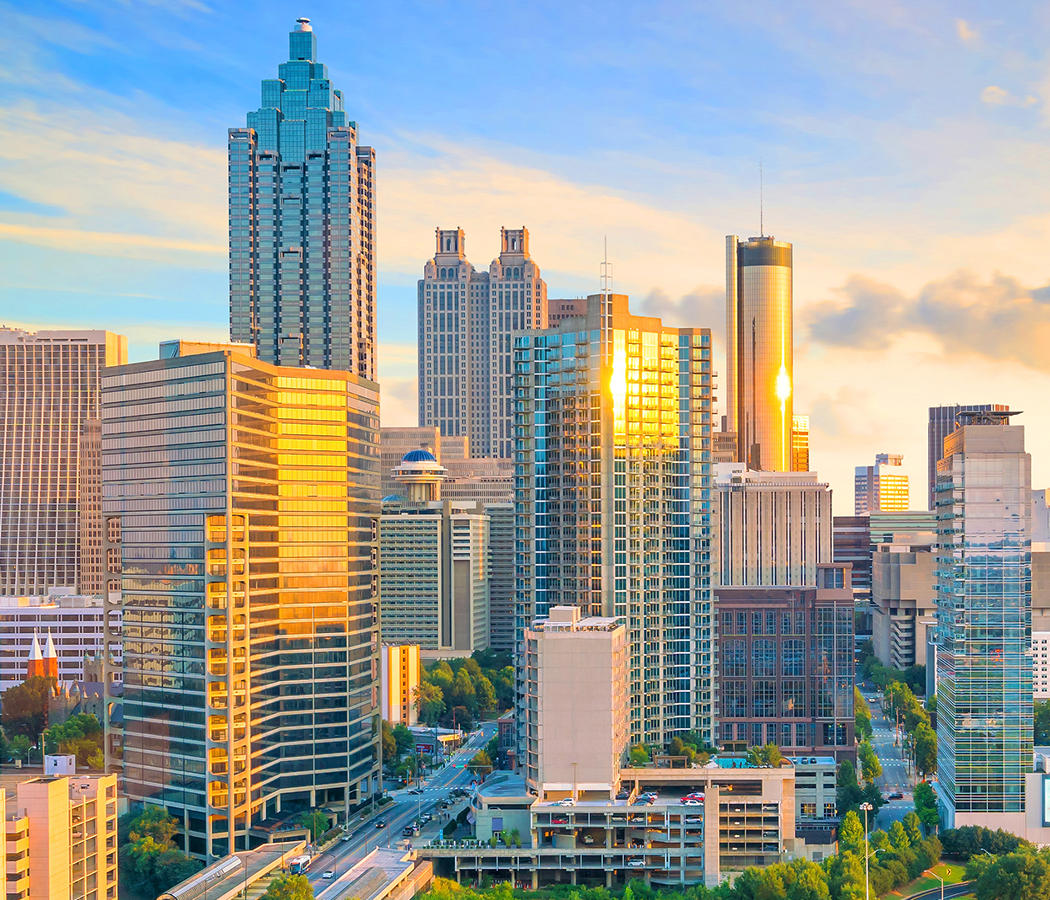
Running through Downtown between Centennial Hill and Fairlie-Poplar, the corridor connects convention facilities, landmark hotels, corporate offices, and entertainment destinations that collectively reflect Atlanta's transformation into one of the nation's leading business and convention cities. Successive blocks reveal how visionary urban redevelopment, modern architecture, and hospitality investment established an avenue that continues anchoring the city's western downtown core. Glass towers, grand hotel atriums, landscaped plazas, and contemporary civic buildings preserve a streetscape shaped by decades of architectural innovation. The result is an experience defined by confidence, continuity, and one of Downtown's most influential corridors.
What you should know about John Portman Boulevard.
John Portman Boulevard is best known for honoring John C. Portman Jr., the Atlanta architect and developer whose integrated approach to architecture, hospitality, and commercial development fundamentally reshaped Downtown beginning with the completion of the Hyatt Regency Atlanta in 1967. The corridor evolved during the second half of the twentieth century as Portman's projects introduced mixed-function urban complexes that combined hotels, office towers, retail space, and public plazas within unified architectural compositions distinguished by reinforced concrete construction, structural steel framing, reflective glass curtain walls, and soaring interior atriums. Development accelerated through the 1970s and 1980s with the completion of landmark projects including Peachtree Center, establishing Downtown as one of the nation's premier convention and business destinations while attracting corporate headquarters, professional services, and international visitors. Expansion of the Georgia World Congress Center, first opened in 1976, further strengthened the corridor's role within Atlanta's convention economy by creating one of the largest exhibition facilities in the United States. Collectively, these layers of architectural innovation, large-scale urban development, hospitality investment, and convention growth established John Portman Boulevard as one of Downtown's defining modern corridors.
Throughout the corridor, interconnected skybridges, landscaped pedestrian plazas, integrated transit access, and coordinated streetscape improvements demonstrate Portman's philosophy of creating interconnected urban environments capable of supporting large volumes of visitors throughout the year. Contemporary towers preserve exposed structural expression, bronze-tinted glazing, grand concrete forms, granite paving, and expansive public interiors that became internationally recognized hallmarks of Atlanta's late twentieth-century architectural identity. Continued reinvestment has modernized lighting, sidewalks, bicycle infrastructure, and public gathering spaces while preserving the corridor's distinctive relationship between convention facilities, hospitality venues, and commercial development. Ultimately the combination of visionary architecture, integrated urban planning, and sustained economic investment demonstrates how John Portman Boulevard continues expressing Atlanta's emergence as a global convention and business city.
How to fold John Portman Boulevard into your trip.
John Portman Boulevard works as an exploration of Downtown's architecture, public spaces, and cultural attractions.
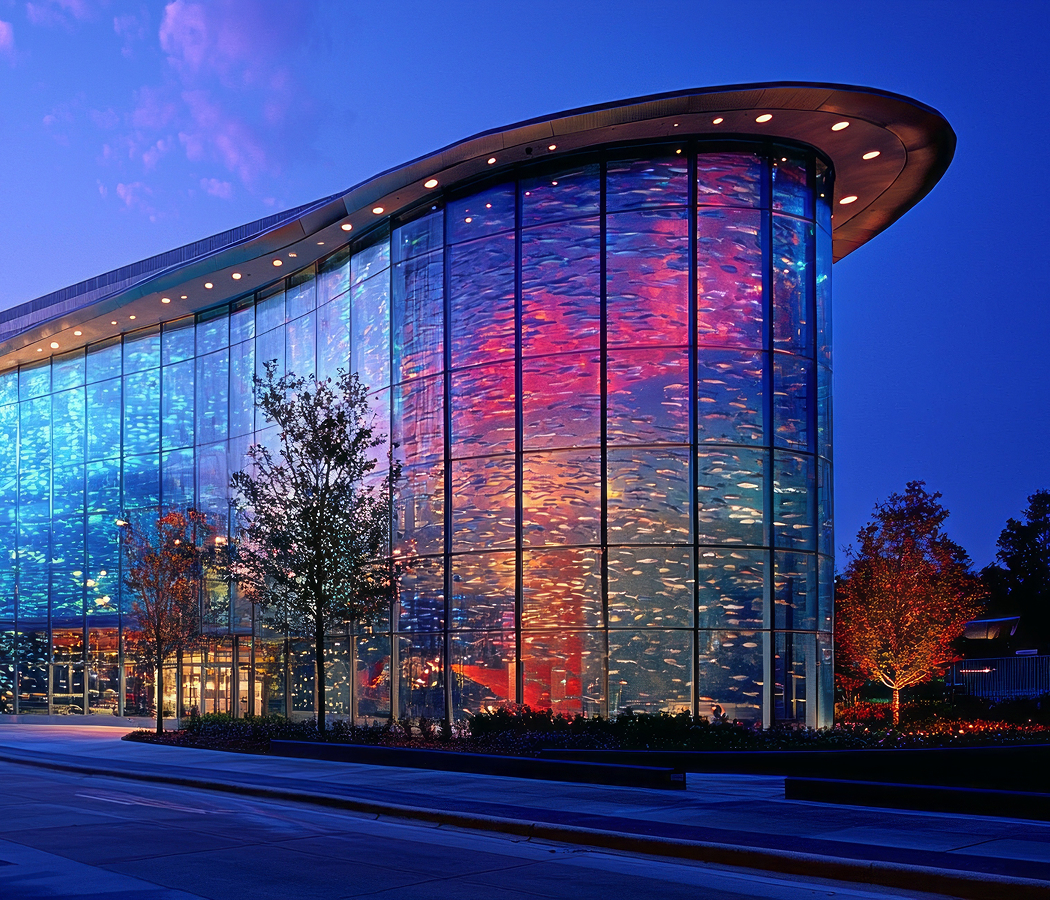
Begin at Centennial Olympic Park, where Atlanta's signature civic landscape establishes the city's modern character before naturally leading toward the surrounding convention district. Continue to National Center for Civil and Human Rights, where nationally significant exhibitions deepen appreciation for Atlanta's civic influence while extending the experience through one of Downtown's foremost cultural institutions. Conclude at Georgia Aquarium, where one of the world's largest aquariums provides the historical payoff by illustrating how major civic investments have transformed Downtown into an internationally recognized destination. Together, the sequence reveals how architecture, public investment, and cultural institutions have collectively shaped the enduring character surrounding John Portman Boulevard.
Where your story begins.
Foresyte Travel reveals places that feel extraordinary long before you arrive.
Experience premium editorial crafted for luxury travelers.