Why National Center for Civil and Human Rights matters.
National Center for Civil and Human Rights is among the most emotionally powerful institutions in the American South, a place where the history of the Civil Rights Movement and the ongoing global struggle for human dignity become deeply personal, immediate, and impossible to forget.
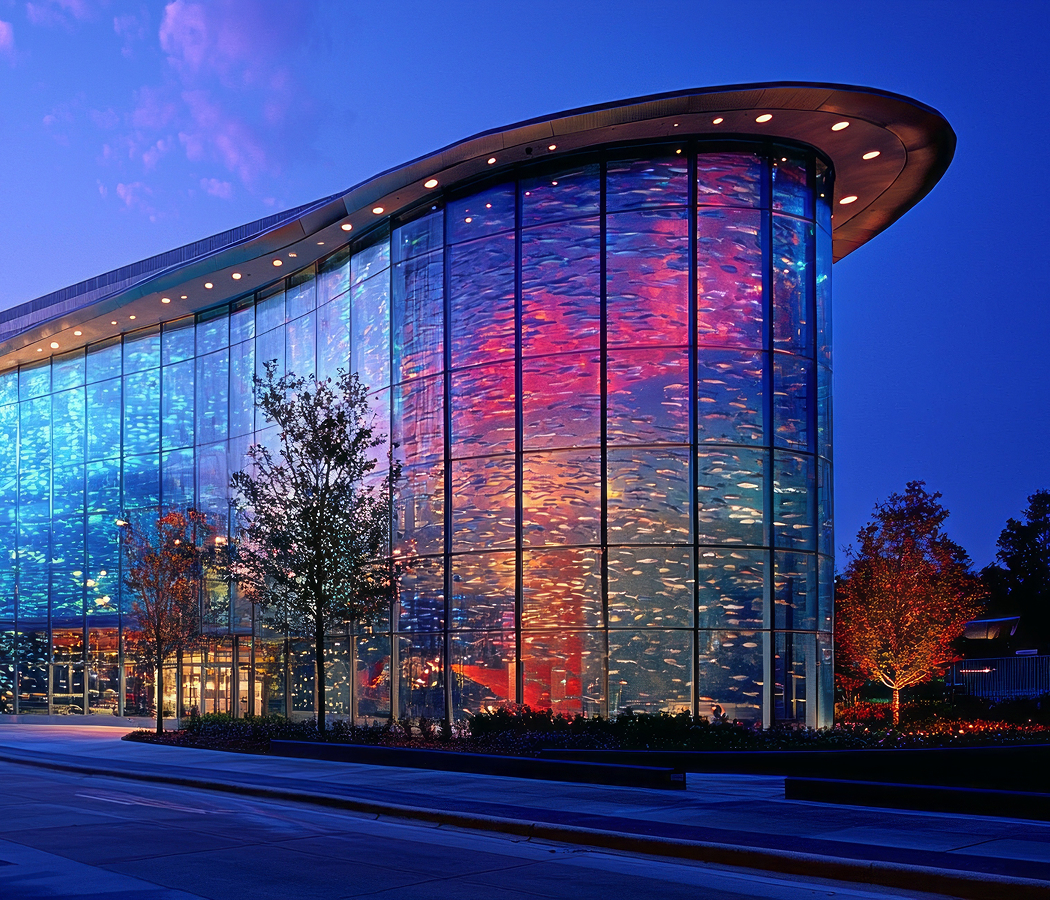
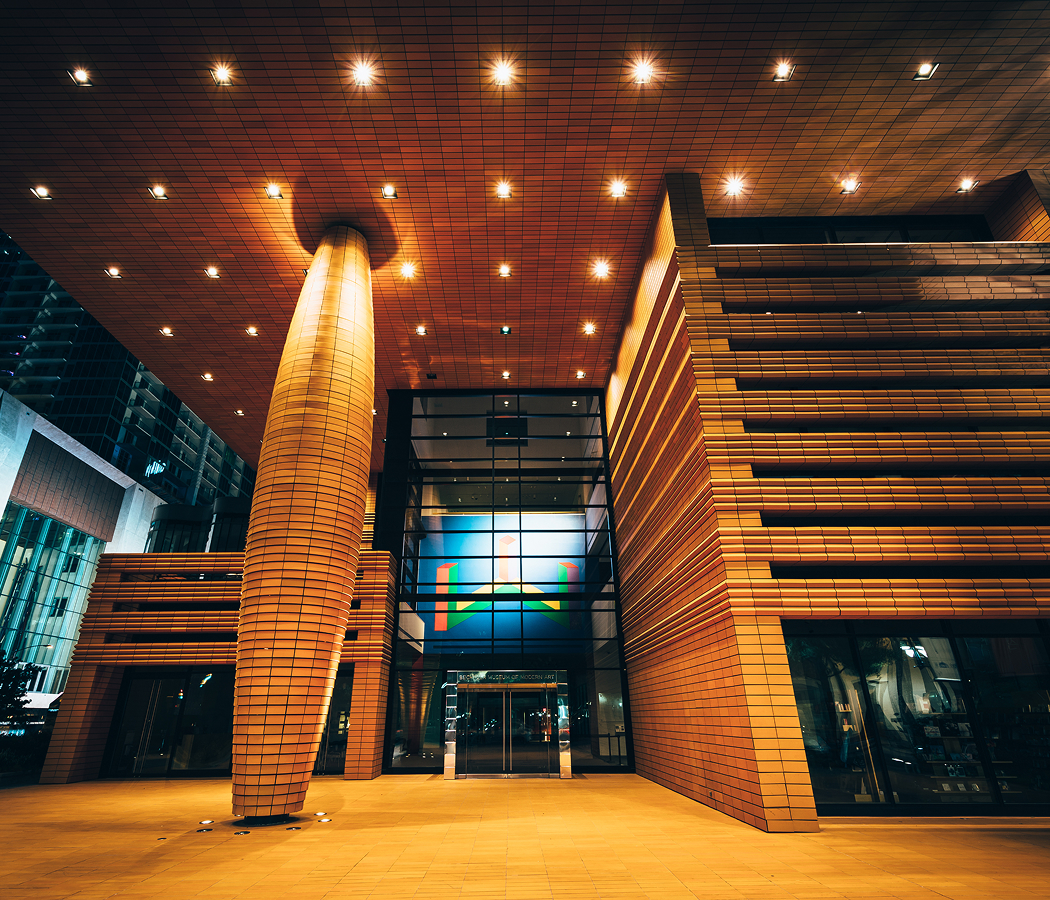
Set along Ivan Allen Jr. Boulevard NW beside Centennial Olympic Park and just steps from the Georgia Aquarium, World of Coca-Cola, and Mercedes-Benz Stadium, this striking modern museum carries the atmosphere of both memorial and call to action, visitors moving quietly through immersive galleries where the voices, photographs, speeches, and sacrifices of activists echo across carefully designed spaces that force reflection far beyond traditional museum observation. The building itself feels intentional from the moment you enter. Sunlight filters through expansive architecture while exhibits transition gradually from historical documentation into deeply resonant interactive experiences that examine segregation, protest movements, global human rights struggles, and the unfinished pursuit of equality. The National Center does not simply teach history, it places visitors inside it.
What defines National Center for Civil and Human Rights.
National Center for Civil and Human Rights opened in 2014 and was designed specifically to connect the American Civil Rights Movement to broader contemporary human rights struggles unfolding across the world today.
The museum's most transformative exhibits focus on immersion and resonant proximity. One of the most widely discussed experiences places visitors at a recreated lunch-counter sit-in while hostile voices, physical vibrations, and audio simulations attempt to replicate the psychological pressure faced by peaceful Civil Rights protesters during segregation. The effect is deeply unsettling and intentionally unforgettable. Much of the center's historical gravity comes from Atlanta's own role in the Civil Rights Movement. As the hometown of Dr. Martin Luther King Jr. and a major organizing center for Black political leadership, Atlanta occupies a uniquely central position in the movement's history, and the museum draws directly from that legacy through speeches, archival footage, personal artifacts, and rotating exhibitions. The institution also extends well beyond American history alone. Modern human rights struggles involving refugees, political imprisonment, freedom of speech, LGBTQ+ rights, and global injustice are woven throughout the museum to reinforce the idea that civil rights work remains ongoing.
How National Center for Civil and Human Rights fits.
National Center for Civil and Human Rights deserves unhurried time and resonant space. This is not a museum to rush through between attractions.
Arrive earlier in the day and give yourself several uninterrupted hours to fully absorb the exhibits. Move slowly, especially through the immersive Civil Rights galleries where much of the museum's resonant impact unfolds most powerfully. Expect moments of discomfort and reflection. The strongest visits happen when you allow the stories, voices, and historical realities to settle fully rather than treating the experience like a checklist attraction. Pair the museum naturally with nearby visits to the Martin Luther King Jr. National Historical Park, Sweet Auburn, or Atlanta's broader Civil Rights landmarks to deepen the historical context surrounding the city itself. The National Center works as an anchor experience for understanding Atlanta beyond food, nightlife, and entertainment.
Where your story begins.
Foresyte Travel reveals places that feel extraordinary long before you arrive.
Enjoy editorial crafted for luxury travelers.
Foresyte may earn a commission when you book.