Why you should experience Krameria Street in Denver, Colorado.
Krameria Street is an understated corridor where Virginia Vale's mid-century identity, leafy residential fabric, neighborhood continuity, and quiet sense of permanence shape one of East Denver's most enduring local streets.
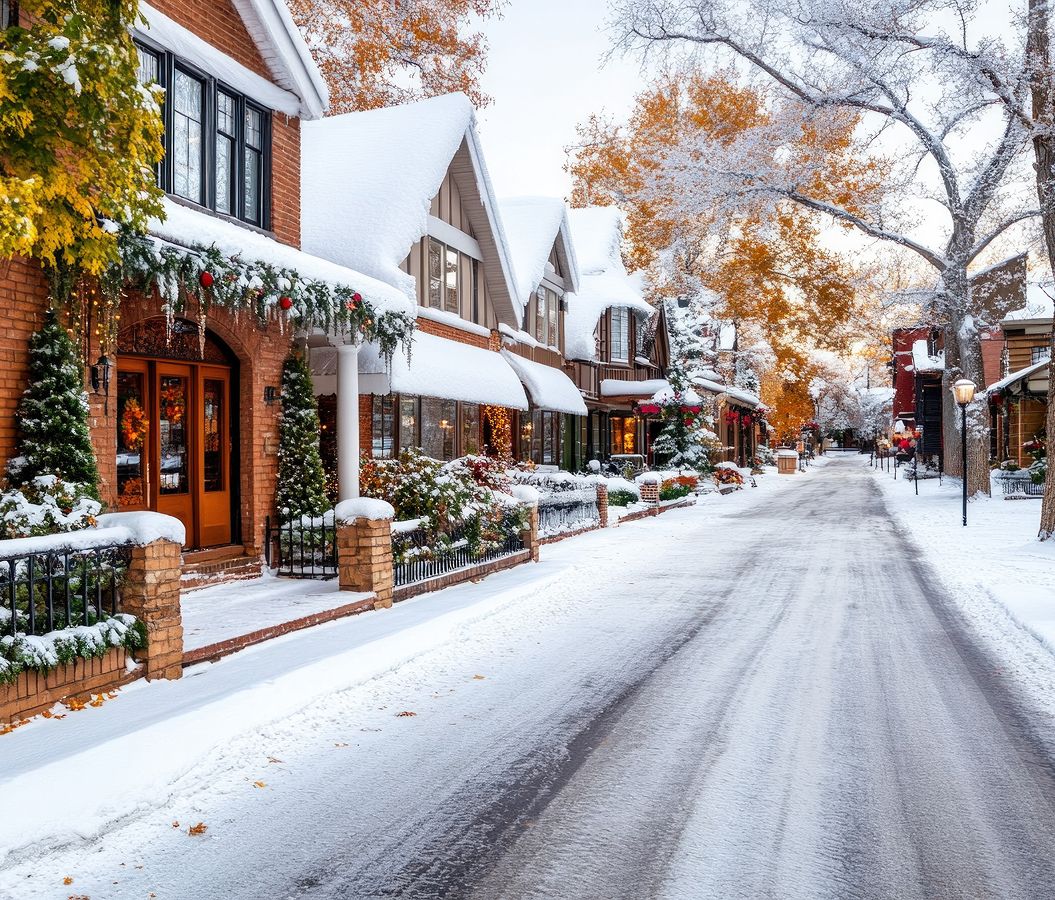
Running through Virginia Vale between Hilltop and Washington Virginia Vale, Krameria Street connects established residential blocks, neighborhood parks, community institutions, and mature tree-lined streets that collectively express the neighborhood's steady evolution from postwar suburb to one of Denver's most stable residential environments. Broad lawns, expansive shade trees, brick ranch homes, thoughtfully integrated infill residences, and inviting sidewalks create a streetscape whose appeal rests in consistency rather than performance, allowing decades of careful stewardship to define the corridor's character. The corridor reaches its defining character where mature landscapes, architectural continuity, and neighborhood investment reinforce one another across successive generations. The result is a corridor defined by quiet confidence, lasting neighborhood identity, and Virginia Vale's enduring residential appeal.
What you should know about Krameria Street.
Krameria Street is best known for developing as part of Denver's substantial postwar expansion during the 1950s and 1960s, when East Denver experienced sustained residential growth supported by coordinated metropolitan planning. Expansion of nearby Colorado Boulevard, improvements to Leetsdale Drive, and construction of Interstate 25 established the transportation structure that encouraged subdivision of former agricultural land into interconnected residential neighborhoods. Successive Denver Comprehensive Plans, annexation initiatives, and zoning ordinances guided development by promoting neighborhood continuity, landscaped streets, local commercial services, and balanced urban growth throughout Virginia Vale. Investment by the City and County of Denver, the Denver Regional Council of Governments, and the Colorado Department of Transportation further strengthened accessibility while supporting long-term residential stability. Together, metropolitan planning, transportation investment, coordinated zoning, and postwar growth established Krameria Street as one of Virginia Vale's defining neighborhood corridors.
Subdivision activity between the 1950s and the 1970s produced cohesive collections of ranch houses, split-level residences, low-rise apartment communities, and neighborhood-serving commercial architecture distinguished by brick construction, generous setbacks, attached garages, and mature landscape design reflecting contemporary suburban planning principles. Private reinvestment over subsequent decades encouraged sensitive home modernization, context-compatible infill housing, property rehabilitation, and preservation of the corridor's established streetscape. Collaboration among neighborhood organizations, municipal planners, preservation advocates, and local residents continues supporting multimodal accessibility, streetscape enhancements, housing stewardship, and carefully managed redevelopment that strengthens the corridor's long-term character. Together, architectural continuity, private investment, neighborhood leadership, and sustained stewardship explain why Krameria Street remains one of East Denver's most enduring residential corridors.
How to fold Krameria Street into your trip.
Krameria Street works as an exploration of East Denver's gardens, neighborhood parks, and cultural destinations.
Begin at Four Mile Historic Park, where preserved nineteenth-century buildings and interpretive exhibits introduce one of Denver's earliest frontier landscapes before naturally leading into the surrounding neighborhood. Continue to Garland Park, where expansive lawns, lakeside walking paths, and mature trees reveal the generous open spaces that distinguish Virginia Vale before carrying the experience toward its conclusion. Conclude at the Mizel Museum, where exhibitions exploring Jewish history, culture, and social justice provide a thoughtful finale that complements the neighborhood's enduring civic character. The progression moves naturally from regional history to open landscapes before concluding with one of East Denver's distinctive cultural institutions.
Where your story begins.
Foresyte Travel reveals places that feel extraordinary long before you arrive.
Experience premium editorial crafted for luxury travelers.