Why you should experience Lac de la Vieille in France.
Lac de la Vieille in Courchevel, France, is one of those alpine secrets that feels like it shouldn't exist, a mirror of silence hidden among the peaks.
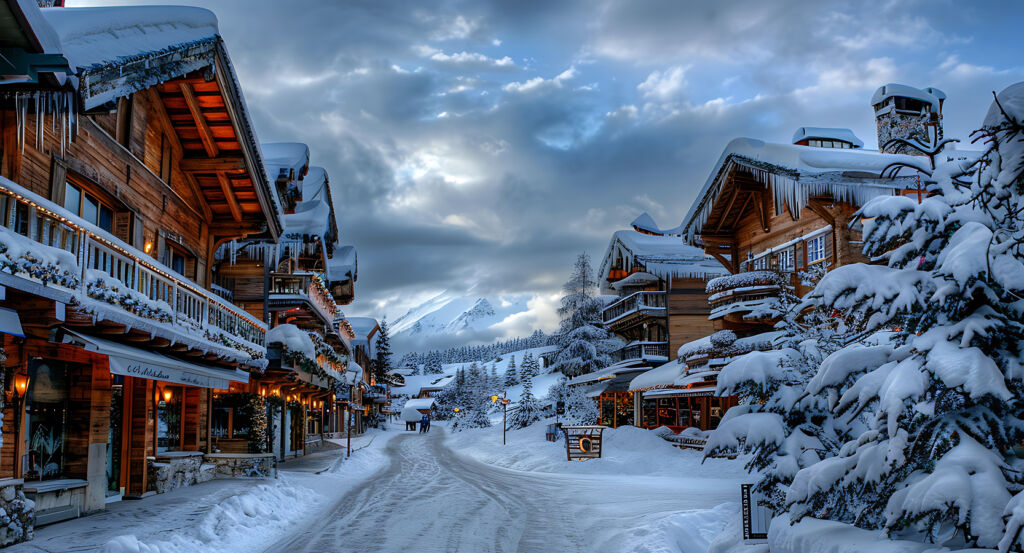
Tucked high above the ski runs near the Saulire ridge, this crystalline lake sits at nearly 2,400 meters, where the snow melts into serenity and the air tastes like something ancient. The scene is cinematic in its simplicity: jagged limestone spires rising like cathedral towers, marmots darting between boulders, and the water, im still, reflecting the cobalt sky and the surrounding slopes. It's a place that humbles you without words, reminding you how small and privileged it feels to stand where few do. In summer, hikers follow narrow, winding trails from Courchevel 1850 or the Vizelle gondola, tracing ski pistes now dressed in wildflowers and grass. In winter, the lake lies beneath snowdrifts, a sleeping jewel beneath the surface, seen only by those who venture off-piste with a guide. Lac de la Vieille isn't a tourist stop, it's a pause button in a world that never slows down, where the mountains seem to whisper their approval each time someone finds it.
What you should know about Lac de la Vieille.
Lac de la Vieille may appear untouched, but it carries stories older than Courchevel itself, both geological and human.
The name “Vieille,” meaning “old woman,” is steeped in local legend: villagers once believed the lake was protected by a mountain spirit, an ancient guardian who watched over those who respected the alpine balance and punished those who didn't. Over centuries, shepherds, hunters, and later, mountaineers treated the site with reverence, seeing it as a threshold between the natural and the sacred. Scientifically, the lake is glacial in origin, formed thousands of years ago as ice retreated from the Tarentaise Valley. Today, it continues to feed smaller streams that cascade toward Courchevel's lower pastures, supporting a fragile ecosystem of alpine flora and wildlife. Few visitors realize that the lake also offers one of the best vantage points in the region, from its northern edge, you can see both Mont Blanc and the Vanoise massif on clear days, their outlines etched against the horizon like a watercolor painting. Environmental efforts by the Courchevel municipality have kept this area pristine, restricting development and preserving access trails to ensure minimal impact. In a resort known for luxury and movement, Lac de la Vieille endures as its opposite, quiet, ancient, essential.
How to fold Lac de la Vieille into your trip.
Reaching Lac de la Vieille isn't about convenience, it's about intention, and that's exactly what makes it unforgettable.
If you're visiting in summer, start from the top of the Vizelle or Saulire lifts and follow the marked path winding east across alpine meadows toward the lake basin. The hike is moderate but unique, with sweeping views of Courchevel's layered valleys and the distant shimmer of Lac de la Rosière below. Pack a picnic, local Beaufort cheese, fresh bread, and a thermos of coffee, and spend a few hours listening to the silence that defines this place. Early morning is best, when the sun first touches the peaks and the lake's surface mirrors fire and frost in equal measure. In winter, the journey becomes an adventure for seasoned backcountry skiers, who can reach the area through guided off-piste routes from the Saulire or Vizelle sectors. The descent back toward the resort feels otherworldly, endless snow, untouched lines, and that sense of solitude only the high Alps can offer. Whether blanketed in wildflowers or buried in snow, Lac de la Vieille invites reflection, literally and figuratively. It's not the most famous sight in Courchevel, but it might be the most profound. Because sometimes, beauty doesn't announce itself with glamour; it waits in stillness, knowing you'll find it when you're ready to slow down.
Where your story begins.
Foresyte Travel reveals places that feel extraordinary long before you arrive.
Experience premium editorial crafted for luxury travelers.