Why you should experience Leonardo Royal Hotel Berlin Alexanderplatz in Berlin, Germany.
Leonardo Royal Hotel Berlin Alexanderplatz is where grand historic architecture meets modern comfort, where Berlin's timeless charm blends with contemporary design, and where stepping inside feels like entering a spacious, refined retreat crafted for travelers who want elegance, warmth, and effortless access to one of the city's most iconic districts.
Set near Alexanderplatz, yet slightly removed from its busiest edges, the hotel occupies a striking 1930s building, an impressive example of early modernist architecture shaped by clean lines, strong symmetry, tall windows, and an unmistakable sense of grandeur. From the outside, it carries the quiet dignity of Berlin's pre-war civic buildings; inside, it transforms into a polished, uplifting environment defined by light, comfort, and thoughtful design. The lobby sets the tone with a blend of vintage structure and contemporary flair: soft earth tones, warm woods, stylish seating, elegant art pieces, oversized windows that pour light across the room, and hints of Bauhaus influence in the geometry of the space. It's spacious without being impersonal, sophisticated without feeling stiff, a welcoming entry into the hotel's balanced personality. Rooms and suites amplify this feeling of abundant space. Expect large layouts, significantly roomier than most Central Berlin hotels, featuring plush beds wrapped in crisp linens, smooth wooden floors, clean-lined modern furniture, and generous natural light illuminating the soft neutral palette. Windows frame leafy courtyards, quiet streets, or the graceful curves of the surrounding pre-war architecture. The atmosphere is calm, grounded, and airy. Bathrooms are bright and contemporary, equipped with glass-enclosed showers or tubs, polished chrome fixtures, stone or tile surfaces, and amenities chosen for comfort and ease. Suites add another layer of refinement with expanded living areas, upgraded finishes, additional seating, and a sense of easy luxury ideal for longer stays or guests seeking more breathing room. One of the hotel's defining features is its interior scale. Corridors are wide, ceilings high, and common spaces generously proportioned, creating a sense of openness rarely found in modern city hotels. This architectural heritage blends beautifully with the contemporary design elements, producing spaces that feel both historically grounded and comfortably modern. Dining at the hotel centers around a stylish, bright restaurant and bar space where breakfast unfolds in a generous spread: breads, pastries, eggs, cheeses, charcuterie, fresh fruit, yogurt, vegetables, cereals, hot dishes, juices, and excellent European coffee. The setting is warm and lively but not chaotic, perfect for starting your day with comfort and calm. Throughout the day and evening, the bar offers cocktails, wines, light bites, and a modern, quietly social environment ideal for unwinding after hours of exploring the city. A wellness area brings another layer of comfort: a sauna, relaxation zones, and a well-equipped fitness room that matches the hotel's commitment to balanced, contemporary hospitality. Soft lighting and clean lines create a soothing environment, especially welcome after a long day of sightseeing or meetings. Service at Leonardo Royal Hotel Berlin Alexanderplatz is polished, kind, and instinctively helpful. Staff move with easy confidence, offer thoughtful local tips, and create an atmosphere of relaxed professionalism that suits business travelers, art lovers, families, and couples alike.
What you should know about Leonardo Royal Hotel Berlin Alexanderplatz.
Leonardo Royal Hotel Berlin Alexanderplatz stands on land with a uniquely layered story, land shaped by Berlin's pre-war municipal expansion, wartime devastation, GDR-era adaptability, and post-reunification revival.
The building itself dates back to the early 1930s, constructed during a period when Berlin saw rapid urban growth driven by modernist architectural ideals. Its clean lines, functionalist structure, and large windows are hallmarks of the era's Bauhaus-influenced civic design. Originally, the structure served administrative and municipal purposes, anchoring a quiet corner of the government district just east of Alexanderplatz. Throughout the 1930s and early 1940s, the surrounding area was a mix of elegant residential buildings, administrative offices, tram routes, and emerging cultural venues. Much of this landscape was destroyed during World War II. The hotel's building, although damaged, survived the war more intact than many nearby structures. Afterward, as East Berlin rebuilt under socialist administration, the building took on new state-related functions. Its size and solid structure made it ideal for adaptation, allowing it to be reused when much of the area consisted of rubble or newly built GDR modernism. During this period, the surrounding blocks were reshaped into the wide boulevards and open designs typical of East Berlin urban planning. When reunification arrived in 1990, the building entered yet another chapter. Many former GDR administrative buildings in the district were demolished or converted, but this one, thanks to its distinctive pre-war architecture and structural resilience, was preserved. Renovations revealed underlying features from multiple eras: pre-war beams, wartime repair work, socialist-era reinforcements, and reconfigurations introduced during decades of governmental use. Developers recognized its historical and architectural value, ultimately transforming it into a modern hotel while preserving its structural integrity and historical character. A lesser-known detail: the block where the hotel stands was once part of a zone where early 20th-century Berlin artists and intellectuals gathered in small salons and studios. Although many of those buildings did not survive the war, the neighborhood's cultural memory echoes in the area's creative energy today, seen in its galleries, cafés, and evolving art spaces. The hotel's blend of modern design and historical infrastructure reflects these layers of Berlin identity, pre-war competence, wartime resilience, GDR resourcefulness, and reunified creativity. Today, Leonardo Royal Hotel Berlin Alexanderplatz stands as a living tribute to nearly a century of Berlin's architectural and political evolution, rooted in history yet fully attuned to the needs of modern travelers.
How to fold Leonardo Royal Hotel Berlin Alexanderplatz into your trip.
Leonardo Royal Hotel Berlin Alexanderplatz becomes your spacious, elegant Berlin anchor, where mornings begin with soft light in your oversized room, afternoons unfold into cultural wanderings and park strolls, and evenings settle into the warm calm of a historic building reimagined for modern comfort.
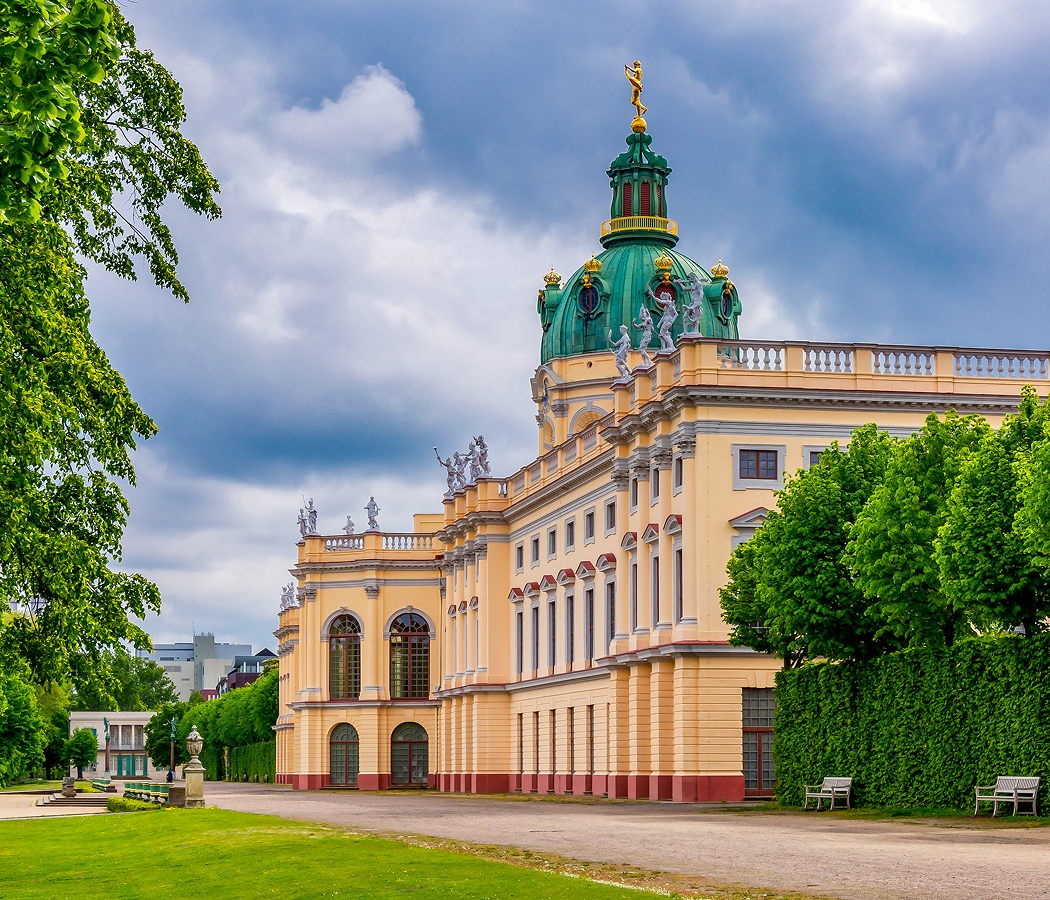
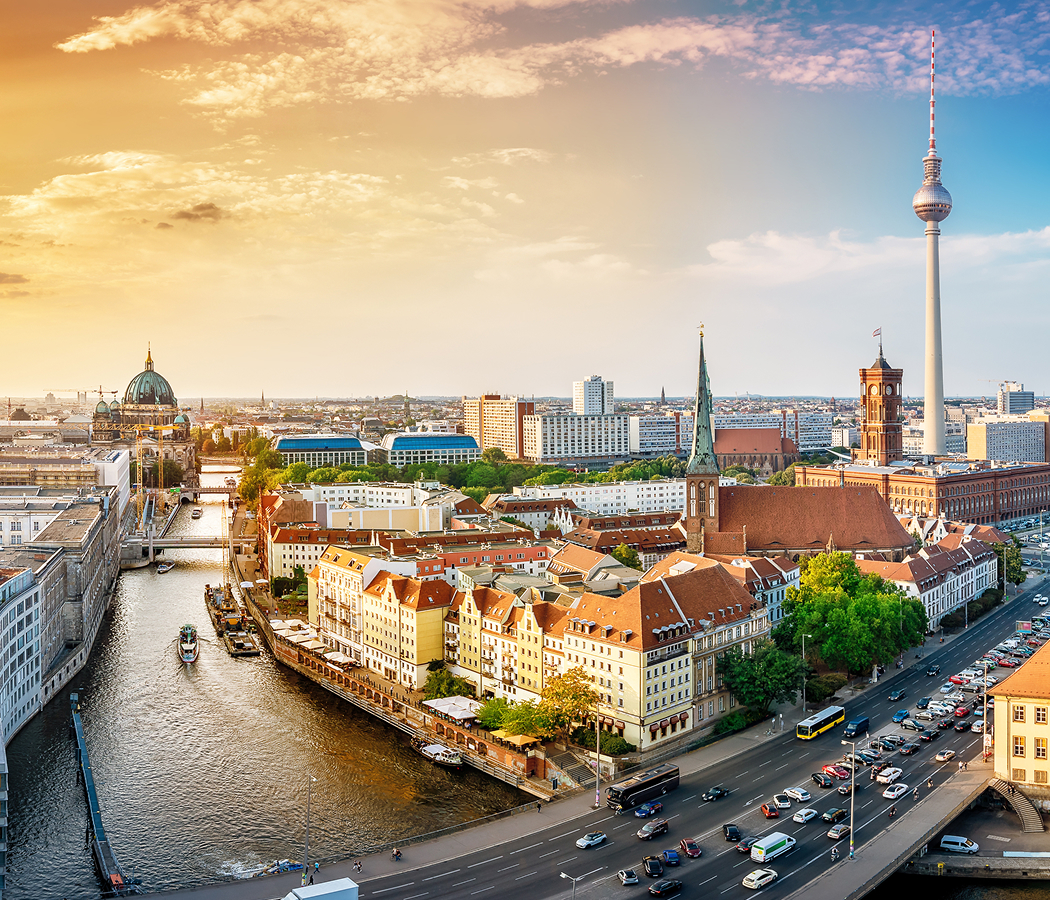
Start the morning with breakfast in the bright restaurant before walking to Alexanderplatz for panoramic views from the TV Tower or exploring the winding alleys of nearby Nikolaiviertel. Stroll toward Museum Island for world-class art and history, or head into Volkspark Friedrichshain, among Berlin's oldest and most beautiful parks, for a peaceful morning walk beneath tall trees. Midday, return to the hotel for a moment of quiet, rest in your room, enjoy the wellness area, or refresh before continuing your day. In the afternoon, wander toward Hackescher Markt for boutiques, cafés, and courtyards filled with Berlin's creative pulse, or hop on public transit to explore Prenzlauer Berg's leafy boulevards, Kreuzberg's street art and food markets, or Charlottenburg's stately architecture. As evening approaches, choose a nearby restaurant, Berlin offers everything from experimental MICHELIN dining to hearty casual classics. After dinner, walk through the illuminated streets around Alexanderplatz or enjoy a drink at the hotel bar before heading up to your spacious room.
Where your story begins.
Foresyte Travel reveals places that feel extraordinary long before you arrive.
Experience premium editorial crafted for luxury travelers.