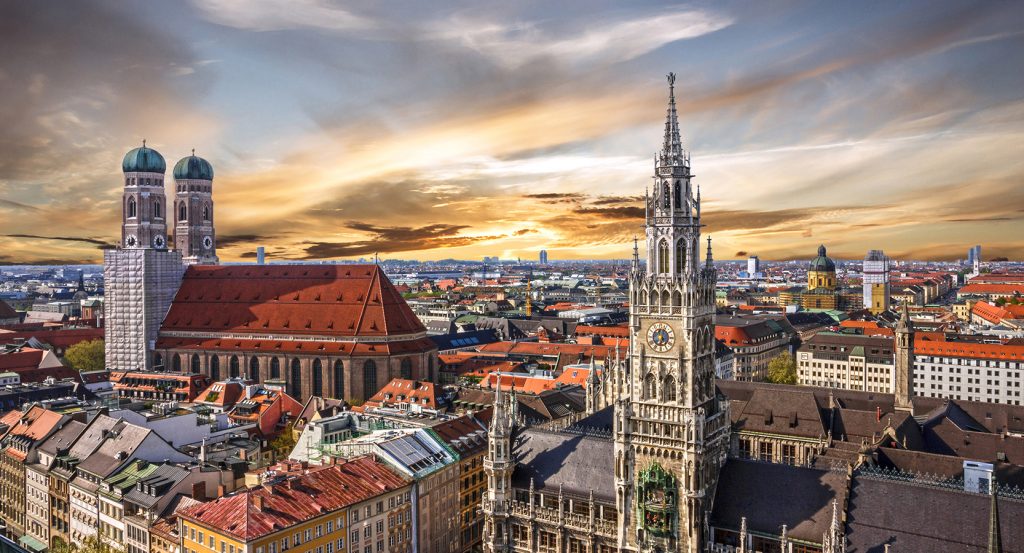
Why you should experience Ludwigvorstadt in Munich, Germany.
Ludwigvorstadt is a gateway district where grand boulevards, international influences, and historic landmarks converge amid the museum-lined streets and academic institutions of neighboring Maxvorstadt.
Bustling plazas, multicultural restaurants, historic churches, elegant nineteenth-century architecture, neighborhood cafés, transportation hubs, and energetic commercial corridors create a district that balances cosmopolitan energy with deep historical roots. Developed during Munich's rapid nineteenth-century expansion beyond the medieval city walls, Ludwigvorstadt became an important arrival point for travelers, merchants, and new residents entering the growing capital. Its central location fostered a remarkably diverse community that continues to shape the district's character today. Over generations, the neighborhood evolved into a crossroads of commerce, culture, and transportation while preserving many of its architectural landmarks. Today, visitors encounter a district that feels dynamic, welcoming, and distinctly international. Every boulevard, public square, and neighborhood street reflects a district shaped by movement, diversity, and urban growth.
What you should know about Ludwigvorstadt.
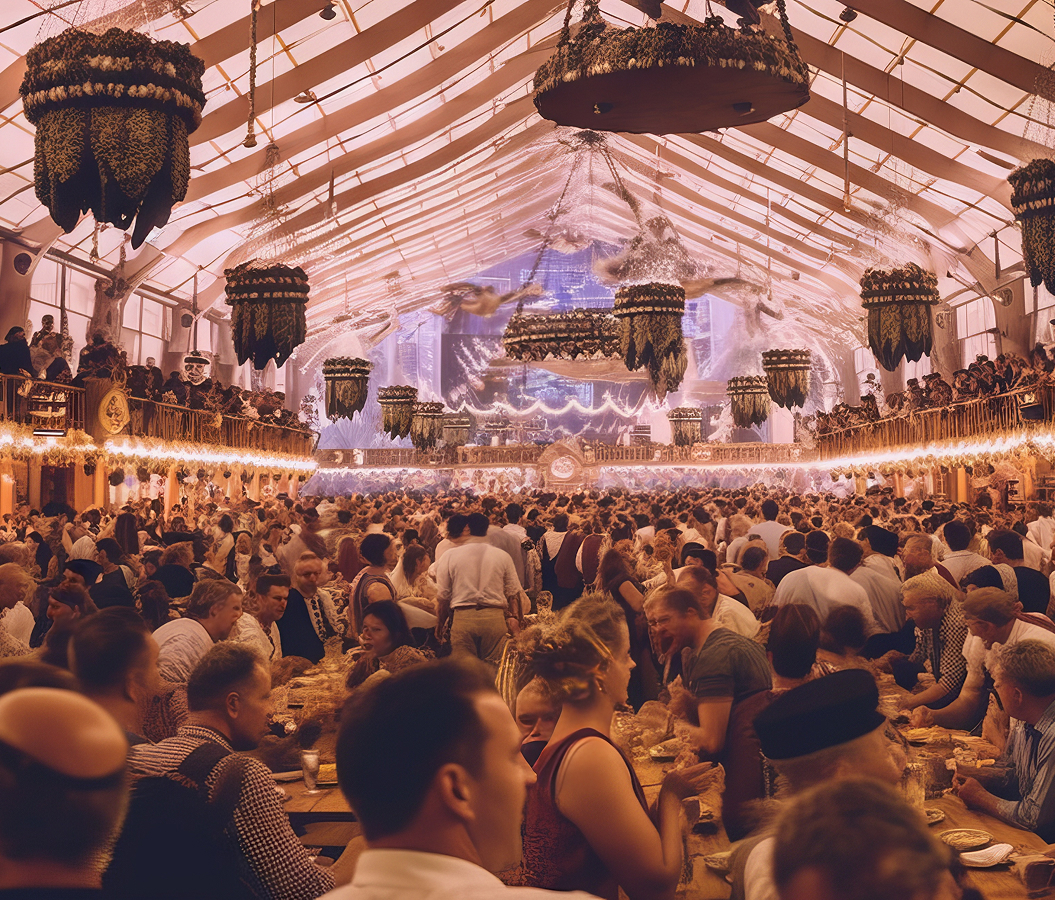
Ludwigvorstadt is best known for being home to Theresienwiese, the vast festival grounds where Oktoberfest has been celebrated since 1810 and where millions gather annually for the world's largest folk festival.
The site was originally chosen to host celebrations honoring the marriage of Crown Prince Ludwig and Princess Therese, an event that sparked a tradition enduring for more than two centuries. Over time, Oktoberfest grew into a global cultural phenomenon, attracting visitors from around the world while remaining deeply rooted in Bavarian traditions. The festival grounds continue to host major public events throughout the year, but Oktoberfest remains the defining experience associated with the district. Few places in the world possess such a direct connection to a cultural celebration of global significance.
How to fold Ludwigvorstadt into your trip.
Ludwigvorstadt works as an exploration of cultural landmarks, historic gathering places, and the institutions that reveal the district's role as Munich's front door.
Begin at Theresienwiese, where the neighborhood's defining relationship with public celebrations, Bavarian traditions, and civic life immediately comes into focus. Continue toward St. Paul's Church, whose soaring architecture and commanding views reveal the historical character that helped shape the district during Munich's expansion. From there, make your way to Sendlinger Tor, where one of the city's remaining medieval gates provides a broader perspective on the connection between historic Munich and the growing neighborhoods beyond its former walls. Along the route, you'll encounter historic boulevards, multicultural dining districts, neighborhood cafés, architectural landmarks, public squares, transportation corridors, and community gathering spaces that showcase the district's remarkable depth. Together, these destinations reveal how Ludwigvorstadt evolved into one of the city's most animated and internationally connected neighborhoods.
Where your story begins.
Foresyte Travel reveals places that feel extraordinary long before you arrive.
Experience premium editorial crafted for luxury travelers.