Why Marshlands matters.
Marshlands is an exceptional historic residence where Downtown Beaufort's early Federal architecture, medical history, and riverfront heritage preserve one of the city's most distinguished nineteenth-century homes.
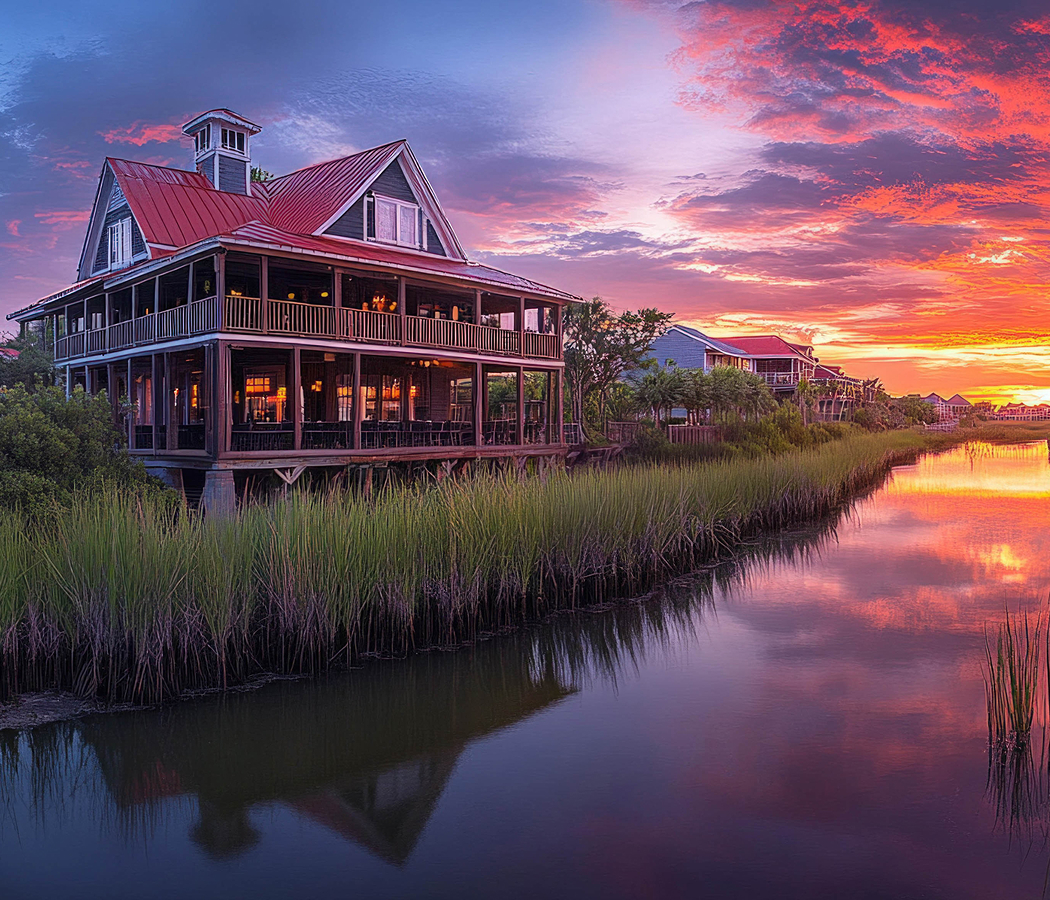
Set along Pinckney Street near Federal Street and just steps from Henry C. Chambers Waterfront Park, this beautifully preserved waterfront residence overlooks the Beaufort River through graceful porches, towering live oaks, and one of the most architecturally distinctive settings in Beaufort's historic core. Refined Federal detailing, a rare arcaded tabby foundation, and elegant West Indian influences distinguish the house from its surrounding contemporaries while reflecting the sophisticated craftsmanship that flourished in early nineteenth-century Beaufort. The result is an experience defined by architectural distinction, historical significance, and the enduring beauty of one of America's finest preserved coastal cities.
What defines Marshlands.
Marshlands is best known as the James Robert Verdier House, constructed 1814 for physician Dr. James Robert Verdier, whose pioneering treatment for yellow fever brought him lasting medical recognition while the residence itself became one of Beaufort's finest surviving examples of early Federal architecture blending Adamesque detailing with distinctive West Indian design influences rarely found elsewhere in the United States. Elevated upon a pink tabby arcade with a single-story wraparound veranda rather than Beaufort's more typical two-story porches, the house represents an important evolution of the regional “Beaufort style” while preserving remarkably intact original interior woodwork, Federal mantels, fanlights, and decorative architectural features. During the Civil War, Marshlands served as headquarters for the United States Sanitary Commission, the civilian relief organization that coordinated medical care and humanitarian assistance for Union soldiers, adding national historical importance beyond its architectural significance. Recognized for both its architectural integrity and historical associations, Marshlands was individually designated a National Historic Landmark in 1973 while also contributing to the nationally recognized Beaufort Historic District, preserving one of the South's most important early nineteenth-century residences.
Its commanding riverfront setting and carefully preserved Federal craftsmanship continue making the residence a defining element of Beaufort's historic streetscape more than two centuries after its construction. Longstanding preservation efforts have ensured the house remains one of the city's most significant private historic residences while continuing to represent the architectural sophistication and cultural history that distinguish Beaufort from other Southern coastal communities.
How Marshlands fits.
Marshlands works as part of a walking exploration through Beaufort's remarkable collection of historic architecture.
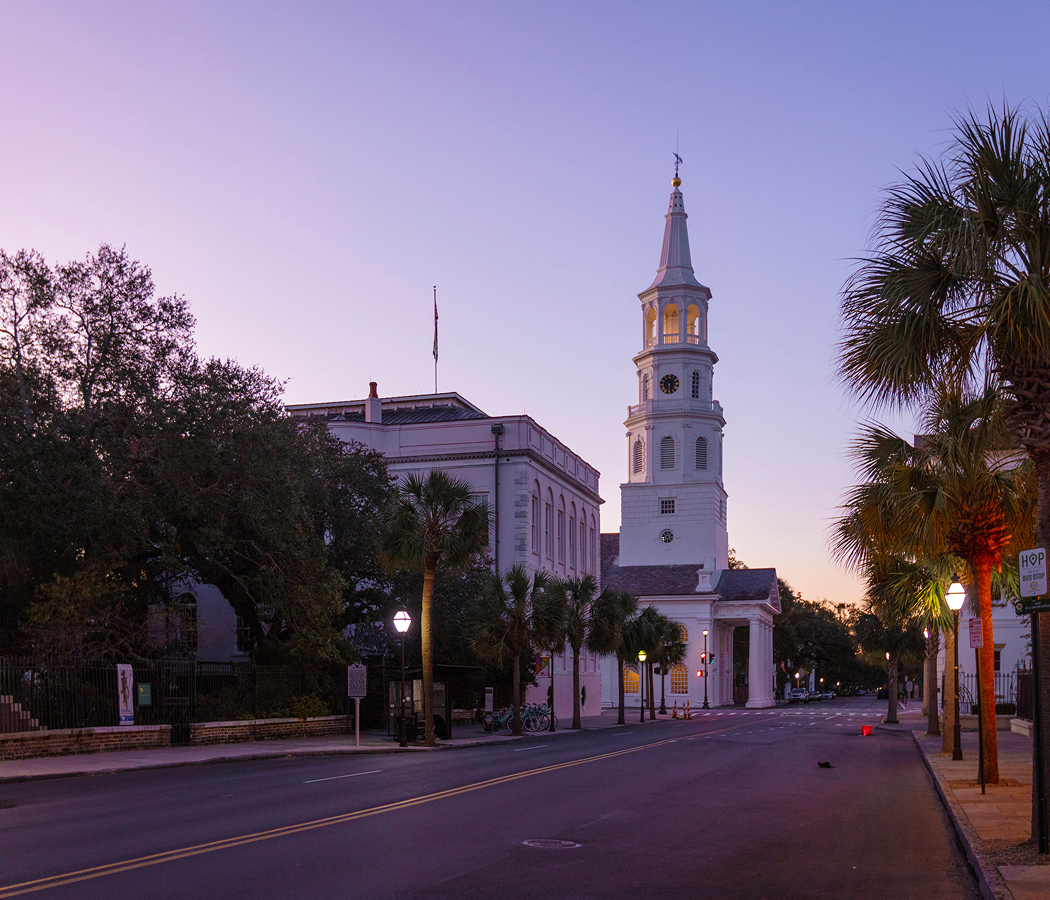
Begin at John Mark Verdier House Museum, where one of Beaufort's finest preserved Federal residences introduces the city's prosperous early nineteenth-century history before continuing to Marshlands to appreciate another masterpiece connected to the Verdier family. Continue to St. Helena Church, whose colonial origins deepen appreciation for Beaufort's centuries of civic and religious history. Conclude at Henry C. Chambers Waterfront Park, where expansive Beaufort River views provide a memorable finale celebrating the maritime setting that helped shape the city's enduring prosperity. The progression moves naturally from Federal architecture to medical history before concluding along Beaufort's celebrated waterfront.
Where your story begins.
Foresyte Travel reveals places that feel extraordinary long before you arrive.
Enjoy editorial crafted for luxury travelers.
Foresyte may earn a commission when you book.