Why you should experience Grafton Street in Dublin, Ireland.
Grafton Street is where Dublin's soul steps out to sing.
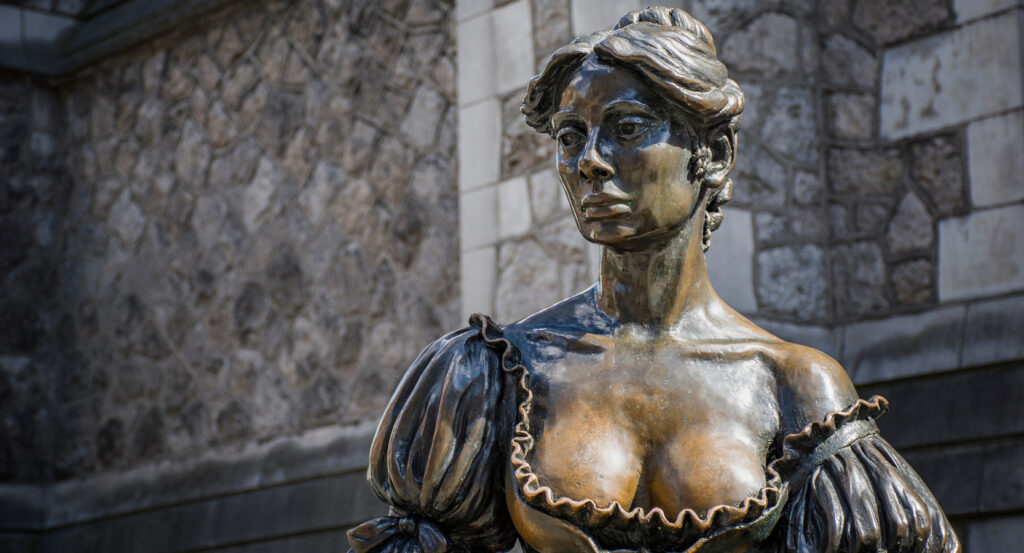
Tucked near the bustling intersection of Grafton Street and St. Stephen's Green, this lively stretch of pavement has become an unofficial stage for the city's artists, from guitarists and fiddlers to poets, dancers, and magicians who pull entire crowds into their rhythm. There's no velvet rope, no spotlight, just raw talent, a few coins in a guitar case, and the hum of Dublin moving to its own melody. The corner embodies everything that makes the city feel alive: its humor, its warmth, its refusal to take itself too seriously. Every performance here feels unrepeatable, a one-night-only moment shared between strangers. On summer evenings, the music floats through the air like a heartbeat, blending laughter, applause, and the clink of pint glasses from nearby cafés. Whether it's a soulful rendition of “Molly Malone” or an energetic fiddle duel between buskers, this is where the magic of Dublin isn't just observed, it's lived.
What you should know about Grafton Street.
Grafton Street isn't marked on any map, yet it's one of Dublin's most enduring traditions, a cultural crossroads rooted in centuries of street storytelling.
Dublin's busking culture stretches back to the 18th century, when traveling musicians and poets earned their living on these same cobblestones. The city's licensing laws later formalized the practice, turning Grafton Street into one of the most competitive stages in Europe. Many international artists, from Damien Rice to Glen Hansard, got their start performing right here, testing songs against the city's famously honest crowds. The corner's acoustics are part of the charm: the narrow façades of Georgian buildings bounce sound like a natural amphitheater, wrapping each note in the warmth of the street. Beneath the laughter and applause lies something deeper, a communal ritual. Every performer brings a piece of Dublin's tradition of oral storytelling, and every listener becomes part of that lineage. There's no hierarchy here, whether you're a tourist hearing your first Irish ballad or a lifelong Dubliner passing by, the connection feels sacred in its simplicity.
How to fold Grafton Street into your trip.
Experiencing Grafton Street isn't about scheduling, it's about surrendering to Dublin's spontaneity.
Come without a plan, ideally on a Friday or Saturday evening when the city hums with anticipation. Walk slowly down Grafton Street, following the sounds that pull you in, a fiddle echoing down the block, the stomp of a bodhrán, or the laughter of a small crowd gathered in a semicircle. Stop, listen, and let yourself be drawn into the moment. Grab a takeaway coffee or ice cream from Butler's Chocolate Café, lean against a lamppost, and watch how easily strangers become an audience. Don't rush away when the performance ends, linger long enough to see how another artist steps forward, tuning a guitar or unpacking a violin, continuing a cycle that's older than most of the buildings around you. Sunset is when it all comes together: the streetlights flicker on, and the city begins to glow, both literally and. Grafton Street may not appear on a brochure, but it's one of the truest reflections of Dublin's character, generous, musical, and gloriously unpredictable.
Where your story begins.
Start your planning journey with Foresyte Travel.
Experience immersive stories crafted for luxury travelers.