Why you should experience Musée Rodin in Paris, France.
Musée Rodin in Paris is an immersion into the soul of sculpture, where marble breathes and bronze thinks.
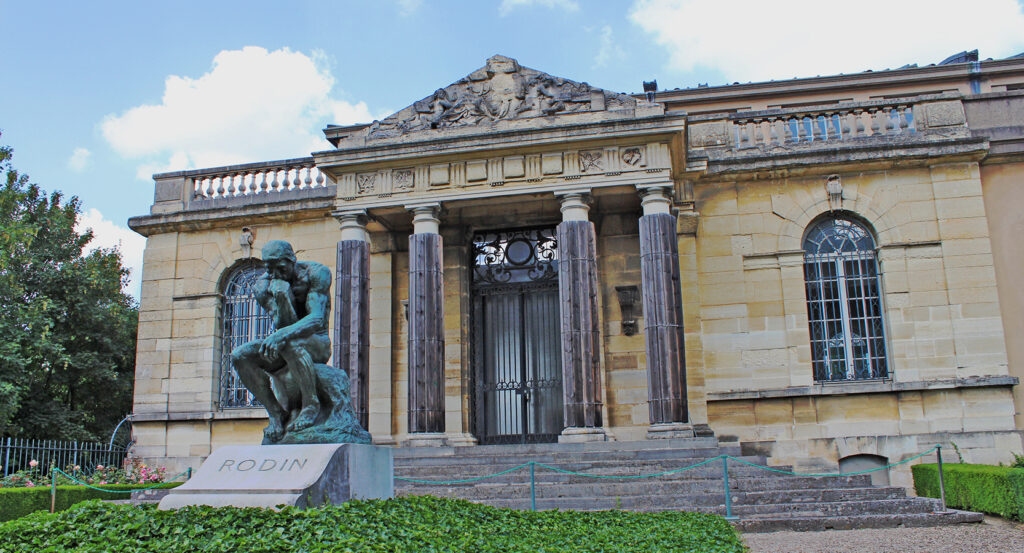
Set within an 18th-century mansion in the 7th arrondissement, surrounded by serene rose gardens and centuries-old trees, this museum captures both the intimacy and magnitude of Auguste Rodin's genius. The moment you step through the gates, the world slows; the air feels still, reverent, almost aware of its own beauty. The Hôtel Biron, once a private residence turned sanctuary for art, houses over 6,000 works, each whispering something about creation, emotion, and the human form. In softly lit rooms, you encounter “The Kiss,” a sculpture so alive in its tenderness that the marble seems to pulse with warmth. Around another corner stands “The Thinker,” eternally caught in his moment of contemplation, shoulders heavy with the weight of human thought. The walls are lined with sketches, studies, and fragments that reveal Rodin's process, the way he carved feeling from stone, movement from stillness. Step outside into the museum's gardens, and Paris itself seems to fade away. There, among flowering pathways, his bronzes stand against the backdrop of the Invalides Dome, golden and distant, as though the art and the city are locked in eternal conversation. It's one of those rare places where you can feel both inspired and at peace, where the noise of the modern world falls away, replaced by the quiet hum of timeless creation.
What you didn’t know about Musée Rodin.
The museum's story is as poetic as the works it houses.
Rodin himself once worked within these very walls, having moved into the Hôtel Biron in 1908 after years of hardship and controversy. The mansion was shared by artists and writers, Rainer Maria Rilke among them, creating a haven of creativity that shaped early 20th-century Paris. When the French state offered Rodin other studios, he refused, insisting that the Hôtel Biron remain exactly as it was and that his entire collection, sculptures, drawings, antiquities, and personal archives, be donated to the nation upon his death. His condition? That the house itself become a museum dedicated to his work. In 1919, two years after his passing, Musée Rodin opened its doors, fulfilling that vision. But beyond the masterpieces of Rodin himself, the museum tells a broader story of art's evolution. It showcases works by Camille Claudel, Rodin's student, muse, and lover, whose brilliance rivals his in both passion and precision. Her sculptures, delicate yet fierce, add emotional balance to the collection, giving the museum a duality, creation and loss, genius and heartbreak. Few visitors realize that the museum also houses Rodin's private collection of antiquities, from Greek torsos to Roman fragments, influences that deeply shaped his understanding of form and anatomy. Even the gardens, once neglected, were restored to mirror Rodin's own vision: a contemplative refuge where art could breathe in the open air. Every path, every statue, feels intentional. Standing beneath the dappled light and the shadow of “The Gates of Hell,” you understand that Rodin wasn't sculpting bodies, he was sculpting eternity.
How to fold Musée Rodin into your trip.
Visiting Musée Rodin is best approached like a slow exhale, not rushed, but absorbed.
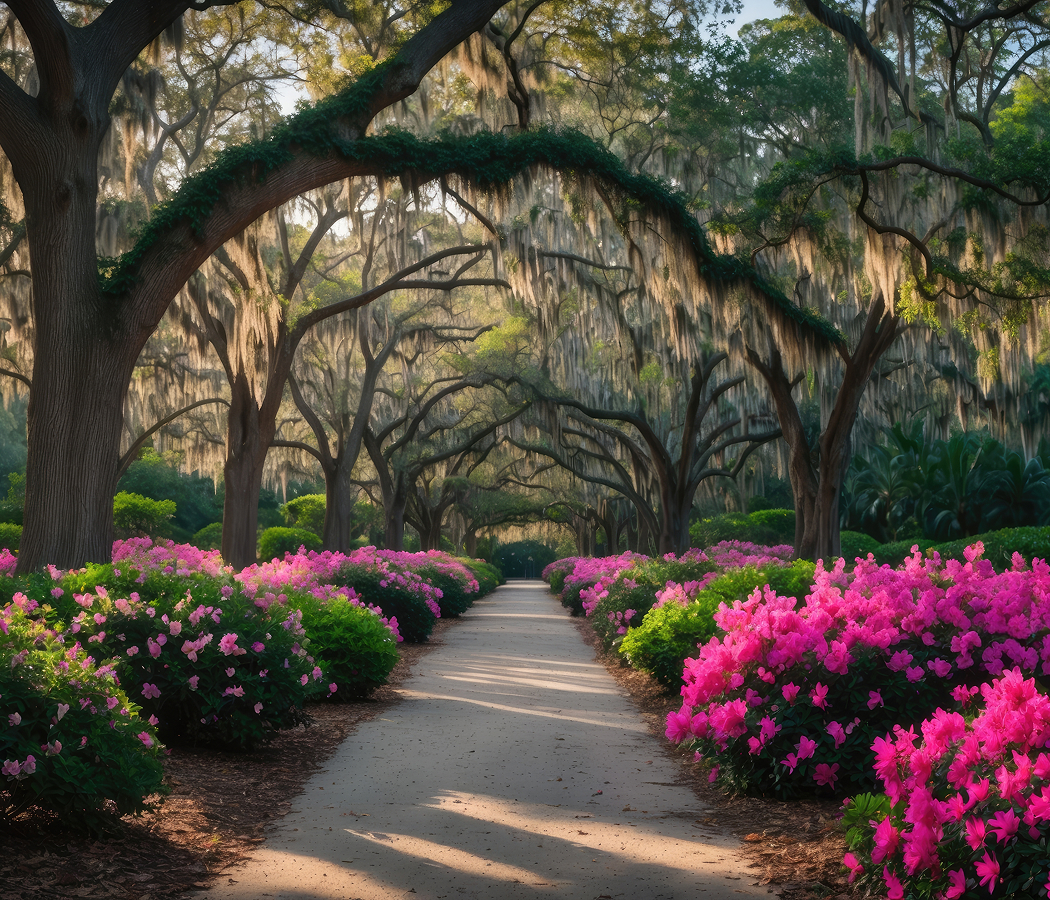
Start inside the mansion, where the intimacy of the rooms allows you to stand inches from Rodin's most famous pieces. Move slowly through the sequence of galleries, letting the textures and expressions reveal themselves in the quiet. Notice the fingerprints preserved in clay studies, the roughness of unfinished works, Rodin believed imperfection was part of truth. Afterward, step outside into the gardens and wander the pathways flanked by roses and manicured hedges. The sculptures are arranged to invite reflection: “The Burghers of Calais” with their stoic despair, “The Gates of Hell” erupting with agony and beauty, and of course, “The Thinker,” commanding his hill like a philosopher surveying the world. Find a bench in the shade and linger; this is not a museum meant to be conquered, but one meant to be felt. For a perfect pairing, continue your art pilgrimage by walking to the nearby Musée d'Orsay, where Rodin's contemporaries, Monet, Degas, Van Gogh, carry the torch of emotion in paint. End your day at sunset in the museum garden, when the bronzes gleam under fading light, their surfaces catching fire with gold. It's in that quiet hour that you understand what makes Musée Rodin eternal, it's not just the art itself, but the way it makes you feel utterly human. To experience Musée Rodin is to witness creation stripped bare, passion, pain, genius, and humility etched in stone and bronze. It's a place where the human spirit takes form, and where every figure, whether thinking, embracing, or falling, reminds you that beauty lies not in perfection, but in the act of becoming.
Where your story begins.
Start your planning journey with Foresyte Travel.
Experience immersive stories crafted for luxury travelers.