Why you should experience The Bog Bodies Exhibition in Dublin, Ireland.
The Bog Bodies Exhibit at the National Museum of Ireland is one of the most haunting and unforgettable experiences in all of Dublin, a direct encounter with Ireland's Iron Age, preserved not in legend but in flesh.
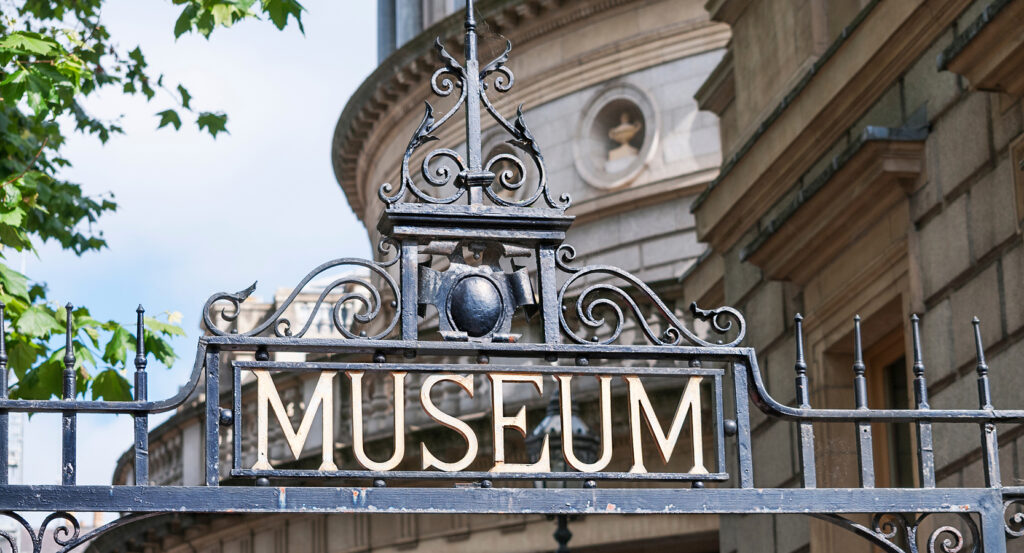
Housed within the Archaeology branch on Kildare Street, this exhibition bridges the gap between history, ritual, and mystery. Inside the softly lit gallery, the air feels reverent, as if time itself has paused to bear witness. The remains of people who lived more than two thousand years ago lie before you, their skin, hair, and features preserved by the peat bogs that claimed them. The atmosphere is quiet and contemplative, each display case illuminated with care, ensuring dignity in death and awe in observation. These individuals, pulled from the wetlands of County Offaly and County Meath, are not presented as curiosities but as sacred messengers from a forgotten world. The museum's curation invites empathy.
What you didn't know about The Bog Bodies Exhibition.
What makes the Bog Bodies Exhibit extraordinary is how it fuses science and spirituality, revealing both the brutality and beauty of Ireland's ancient past.
The bodies, including the famous Clonycavan Man, and Gallagh Man, date from roughly 400 to 200 BCE, a period when Ireland's tribal kingdoms were governed by mythic kingship rites. The bogs that preserved them also concealed their stories, violent deaths that hint at ritual sacrifice, possibly offerings to ensure fertility or sovereignty of the land. Through forensic archaeology, researchers have reconstructed astonishing detail: fingerprints, manicured nails, styled hair, even traces of imported resin, evidence of status and ceremony. Yet beyond the science lies mystery: these men were both victims and symbols, chosen to sustain cosmic balance through sacred death. The museum's presentation honors this duality, pairing forensic data with poetic interpretation, allowing visitors to feel the weight of their humanity. Few exhibits in the world balance reverence and revelation so powerfully. You leave not with horror, but with humility, reminded that Ireland's ancestors lived by a rhythm far deeper than our own.
How to fold The Bog Bodies Exhibition into your trip.
The Bog Bodies Exhibit deserves more than a passing glance, it's the emotional and spiritual heart of the National Museum of Ireland's Archaeology branch.
Visit mid-morning, when the museum is quietest and the natural light filters softly through the upper dome. Begin by walking through the Prehistoric and Early Iron Age galleries to set the stage, understanding the context of ritual, kingship, and landscape before entering the bog chamber. As you step into the dimly lit exhibit, move slowly. Each figure is presented at eye level, inviting connection. Take time to read the accompanying texts, they're written with compassion, explaining not just how these people died, but how they lived. Afterward, walk to the neighboring Kingship and Sacrifice gallery, which deepens the narrative through multimedia displays and artifact comparisons. When you emerge, step outside onto Kildare Street and feel the Dublin air on your face, an almost symbolic return from another world. The Bog Bodies Exhibit isn't about the macabre; it's about continuity, the eternal dialogue between earth and body, faith and decay, mortality and meaning.
Where your story begins.
Start your planning journey with Foresyte Travel.
Experience immersive stories crafted for luxury travelers.