Why you should experience Old South Golf Links in South Carolina.
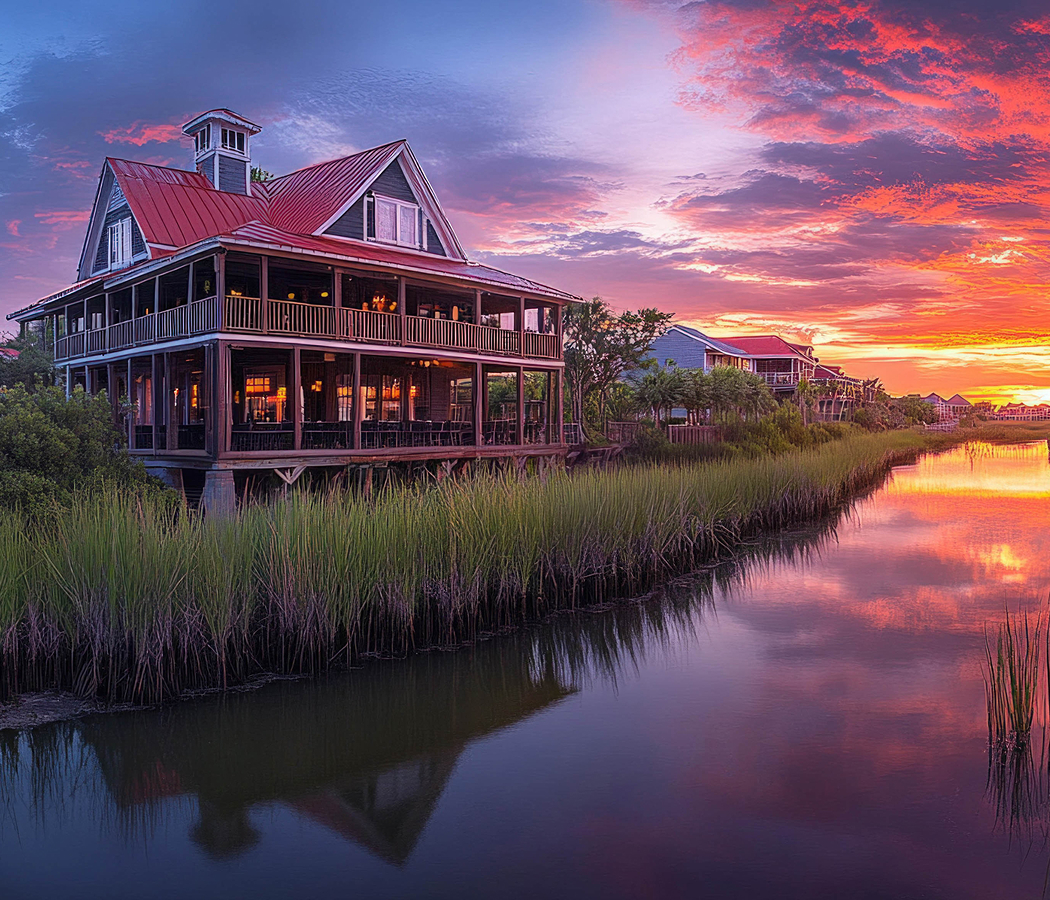
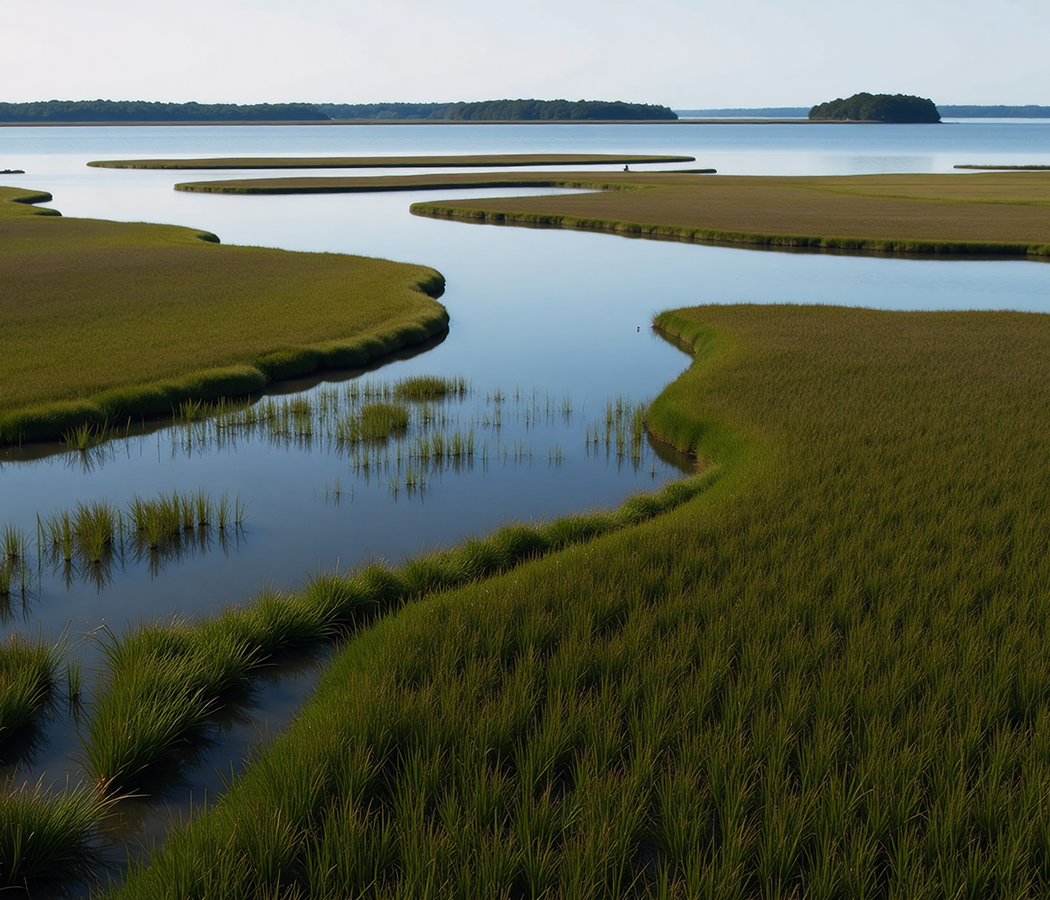
Old South Golf Links is a scenic Lowcountry golf course where Buckingham Landing's tidal-marsh landscape meets Clyde Johnston's site-responsive architecture, oak forest, open pasture and island greens beside McKay's Creek.
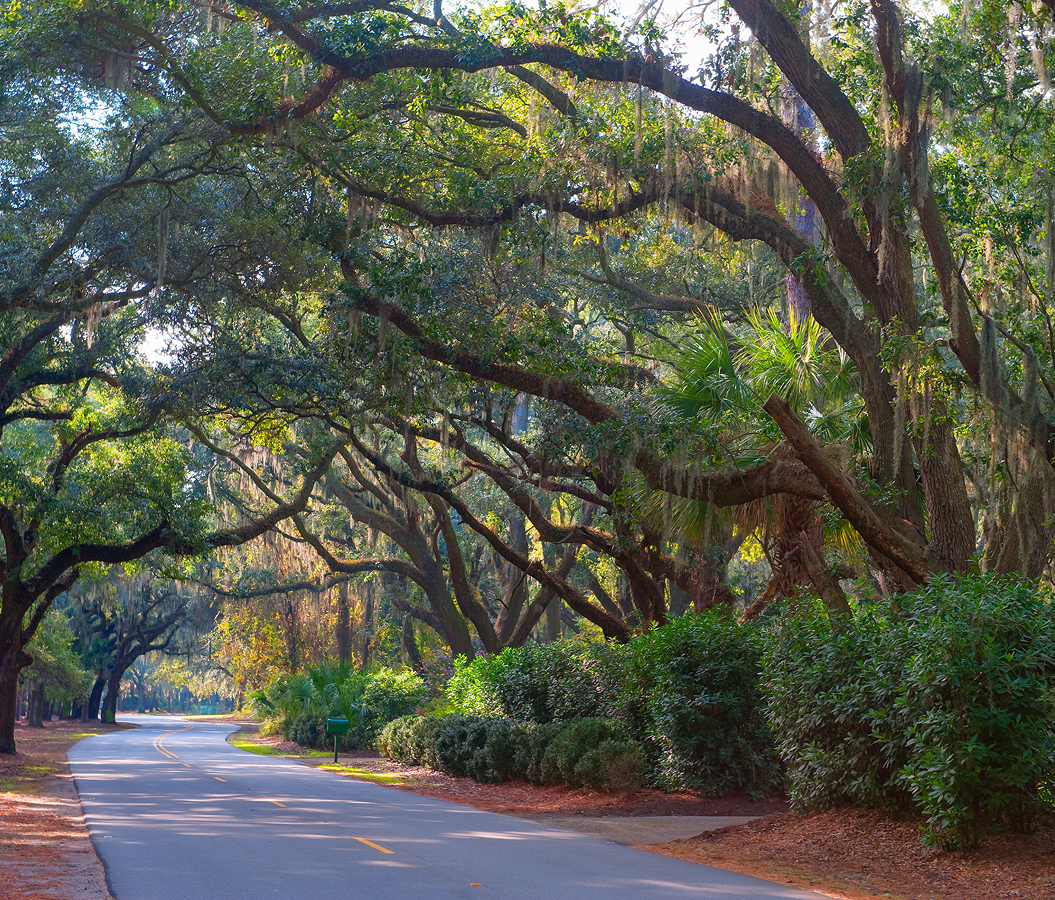
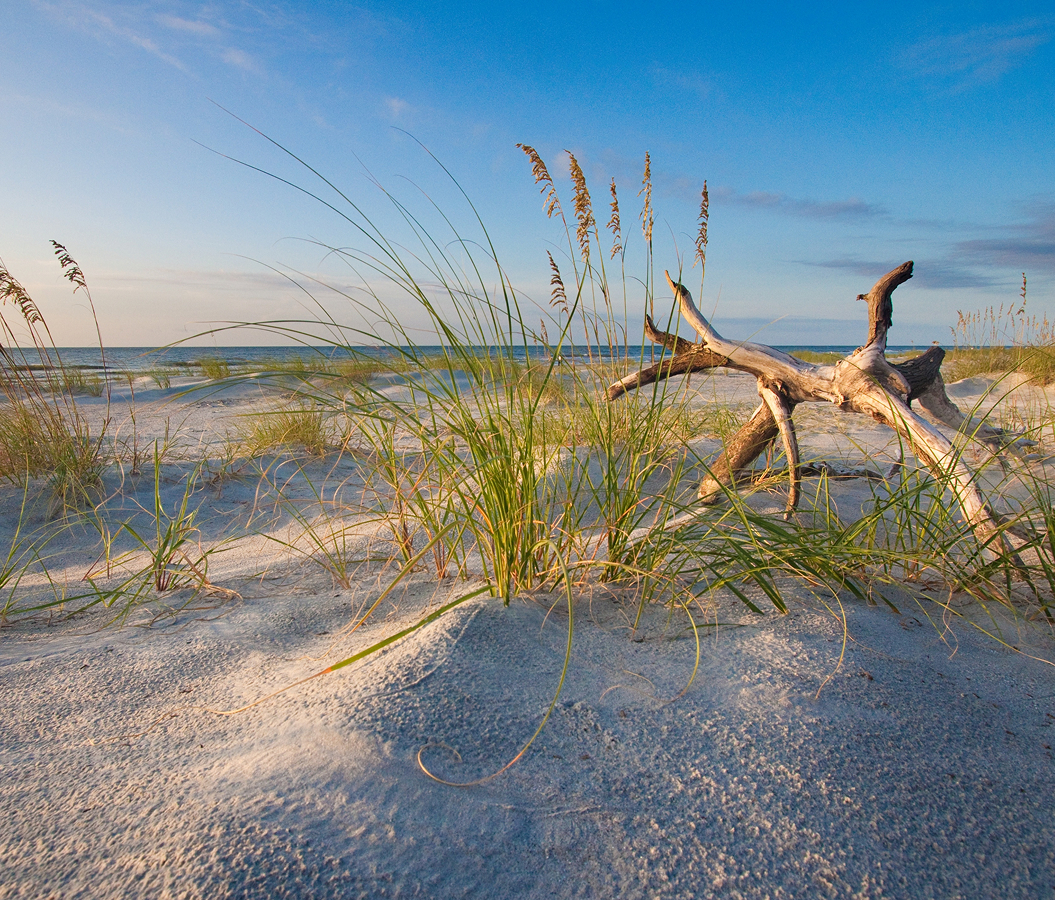
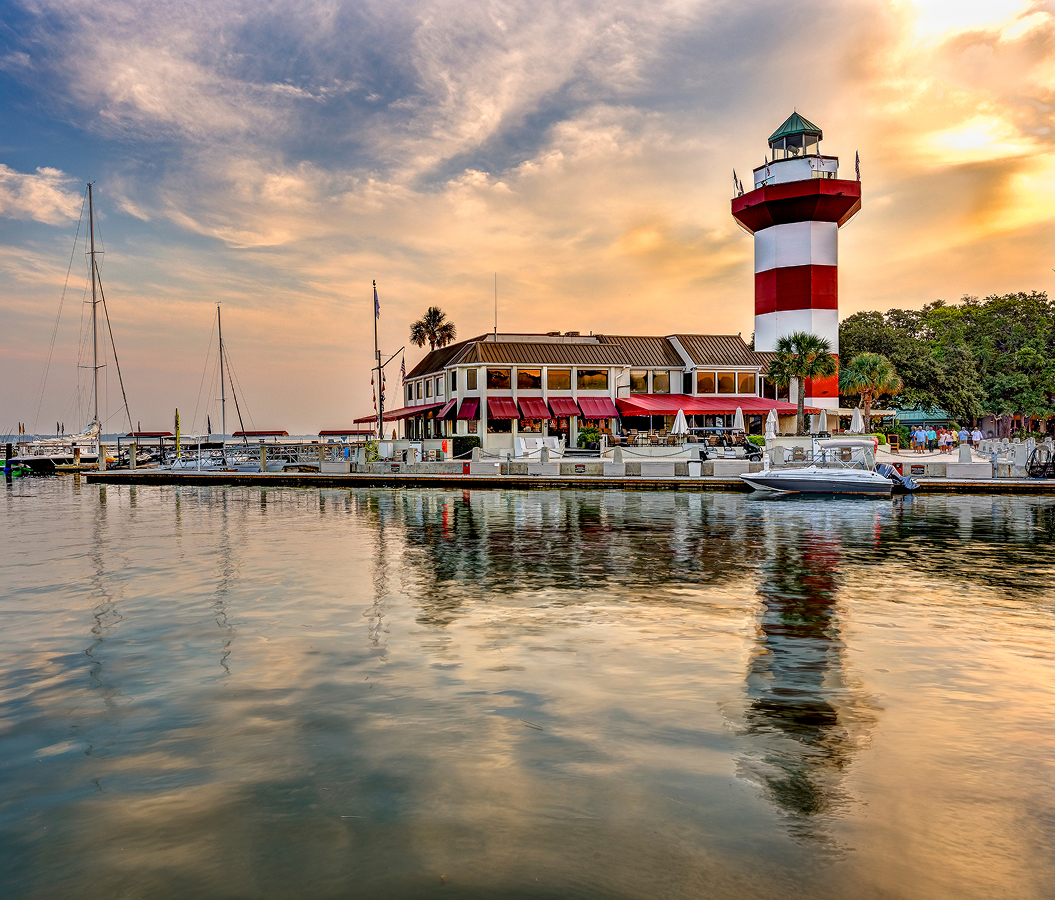
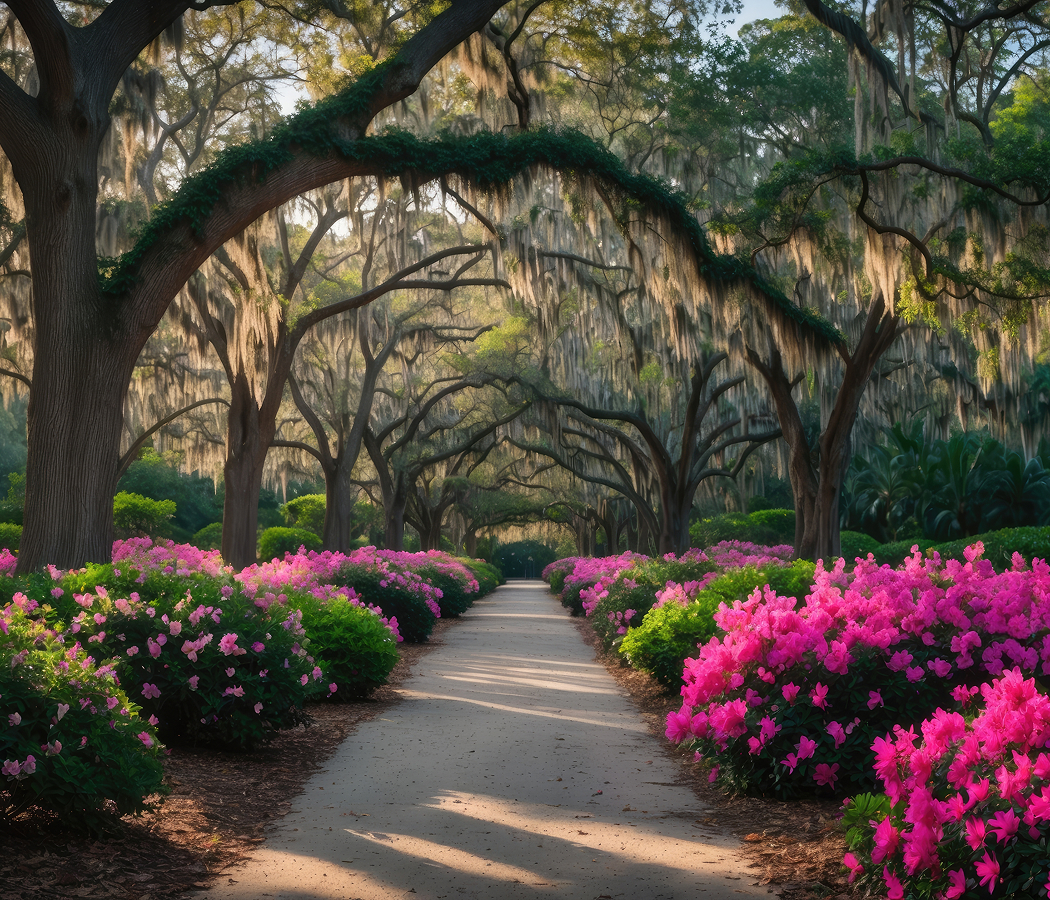
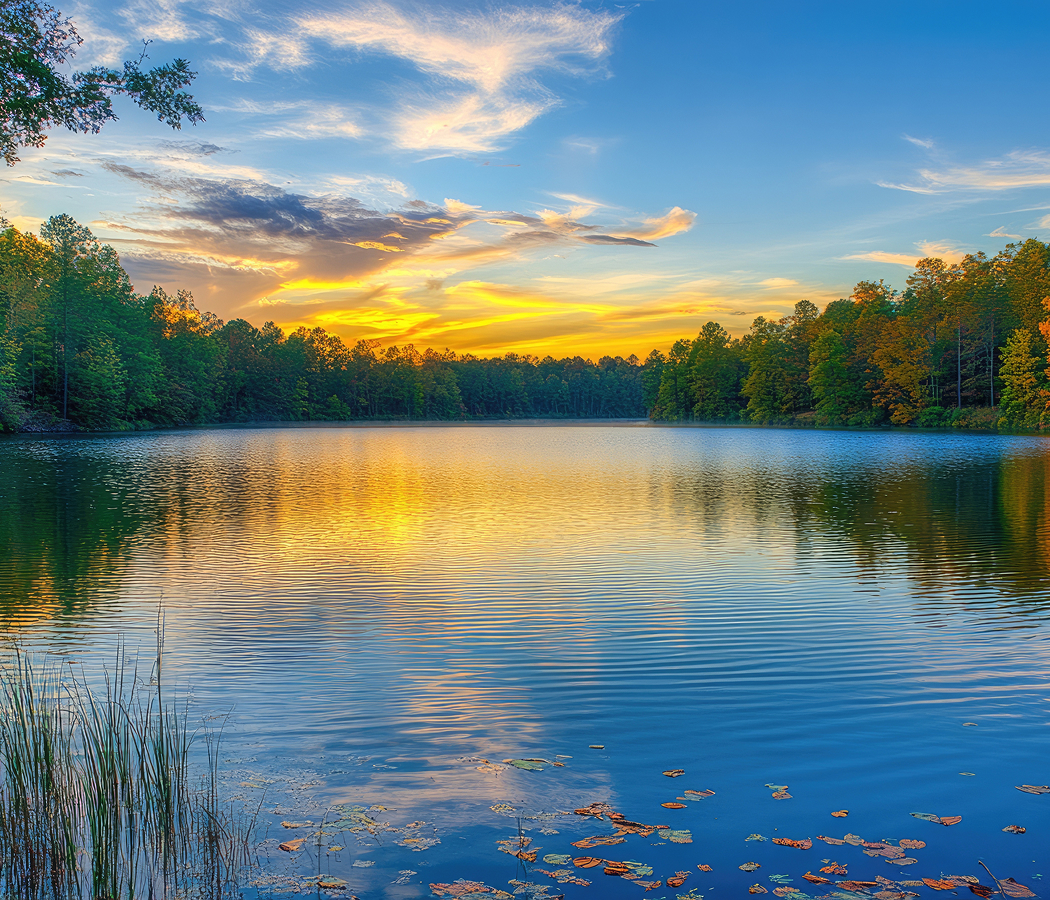
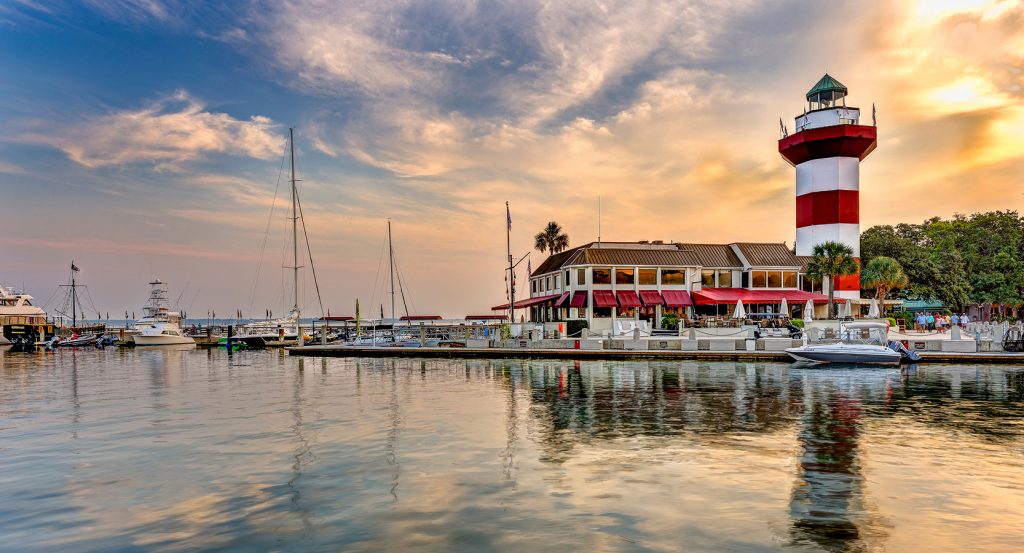
Set along Buckingham Plantation Drive near Fording Island Road and just before the bridge to Hilton Head, the course occupies a Bluffton peninsula surrounded by tidal waterways, maritime vegetation and broad salt-marsh horizons. Sixteen of its 18 holes remain free of adjoining houses, preserving long stretches where live oaks, lagoons and marsh replace residential development along the playing corridors. Three island greens introduce water directly into approach strategy, with the course moving repeatedly between enclosed woodland and exposed coastal ground. Deer, alligators, wood storks, hawks and other Lowcountry wildlife inhabit the surrounding freshwater and tidal environments, making the natural site continuously present throughout a round. The result is a Buckingham Landing course where Johnston's routing keeps golf closely connected to the ecological and visual character of the South Carolina coast.
What you should know about Old South Golf Links.
Old South Golf Links is best known for Clyde Johnston's 1991 design across land contributed by the Ulmer family, a project that converted an unusually varied Bluffton property into one of the architect's early nationally recognized public courses. The land carried an estimated value of $1.8 million, and the golf course itself cost $2.85 million to construct; initial improvements reached $4.5 million before a permanent clubhouse was added after the operation became profitable. Johnston had established Clyde Johnston Designs in 1987 after working with Willard Byrd and Associates and subsequently with Ron Kirby and Gary Player, bringing experience from several major design practices into the independent commission. His approach followed the property's existing changes in terrain, moving the routing through oak forest, open pasture and tidal salt marsh so different portions of the site generated different strategic problems. Golf Digest selected Old South among its Top Ten New Public Courses of 1992, giving Johnston's young independent practice an important national distinction soon after the course opened. The Low Country Golf Course Owners Association selected Old South as its Low Country Golf Course of the Year for 2011, adding a regional honor nearly two decades later. Johnston subsequently became president of the American Society of Golf Course Architects for 2002-03 and entered the Lowcountry Golf Hall of Fame in 2018, with Old South remaining among the projects highlighted in his professional portfolio.
The 6,772-yard Gold-tee routing plays to par 72, with changes in terrain making positional judgment more consequential than the raw yardage suggests. The sixth presents the course's top stroke-index challenge across 397 yards, then the 555-yard fourteenth establishes the longest test before the closing stretch brings marsh and water more insistently into play. Hole 16 reaches 417 yards from the back markers and demands an approach across water toward an island green, concentrating Johnston's coastal strategy into one of the round's strongest risk decisions. The surrounding marsh opens views toward the Intracoastal Waterway and McKay's Creek as the routing reaches its most exposed ground, changing both visual scale and the golfer's perception of available landing area. Five teeing options distribute the challenge across different playing abilities, with published distances descending from 6,772 through 6,354, 5,779 and 5,135 yards to 4,776 yards. Woodland enclosure, open ground, water carries and exposed marsh holes keep strategic demands changing throughout the round, giving the course its distinctive rhythm through the Lowcountry terrain.
How to fold Old South Golf Links into your trip.
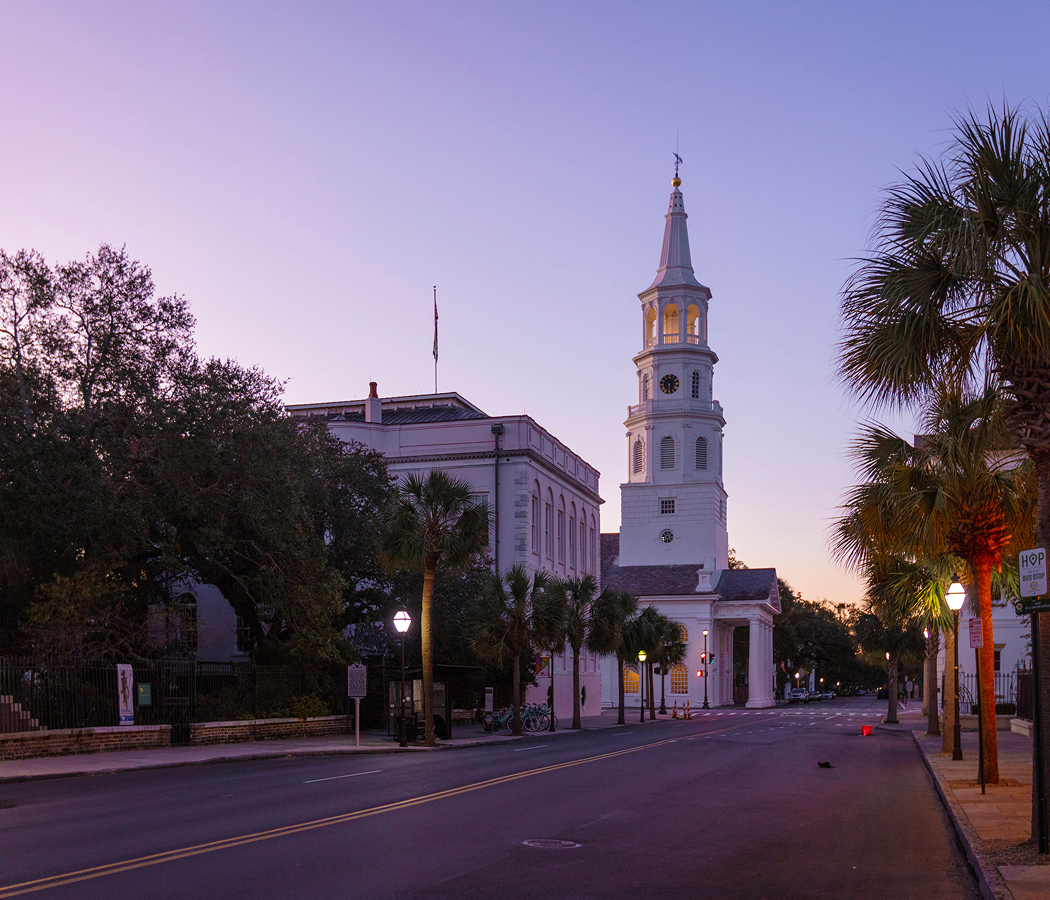
Old South Golf Links works as the recreational anchor for a Bluffton outing connecting the surrounding Lowcountry with a former Sea Island cotton property, an antebellum Carolina farmhouse and the Gothic church that survived the Civil War destruction of much of the town.
Begin at Pinckney Island National Wildlife Refuge, whose islands entered Charles Pinckney's family holdings in 1736 and later formed part of the plantation of Major General Charles Cotesworth Pinckney, a Revolutionary War officer and delegate to the Constitutional Convention. The Pinckney family cleared maritime forest and drained fields for long-staple Sea Island cotton before Union occupation during the Civil War; subsequent owners operated the property as a game preserve until its 1975 donation to the U.S. Fish and Wildlife Service created a 4,053-acre refuge dominated by salt marsh and tidal creeks. Continue to Heyward House, constructed around 1841 by enslaved workers for John J. Cole as a summer residence for his wife Carolina Corley and their children, using a Carolina Farmhouse form whose regional development drew from West Indian precedents. Cole enlarged the residence by 1860, and the property later passed through several owners before the Bluffton Historical Preservation Society acquired it in 1998; one of Bluffton's surviving structures associated with slavery remains on the grounds. Conclude at Church of the Cross, designed by Edward Brickell White after the congregation sought a wooden church with brick foundations during the 1850s and consecrated on July 19, 1857. White created a cruciform Carpenter Gothic building in unfinished cypress with board-and-batten walls and an exposed timber roof overlooking the May River; Federal troops spared it during the 1863 burning of Bluffton, and the building entered the National Register of Historic Places in 1975. The progression moves from the Pinckney family's transformation of coastal islands for Sea Island cotton through the Cole family's antebellum summer residence into White's surviving Carpenter Gothic church, placing Old South Golf Links within the deeper agricultural, architectural and tidal history of the Bluffton Lowcountry.
Where your story begins.
Foresyte Travel reveals places that feel extraordinary long before you arrive.
Experience premium editorial crafted for luxury travelers.