Why you should experience Red Fish Restaurant in South Carolina.
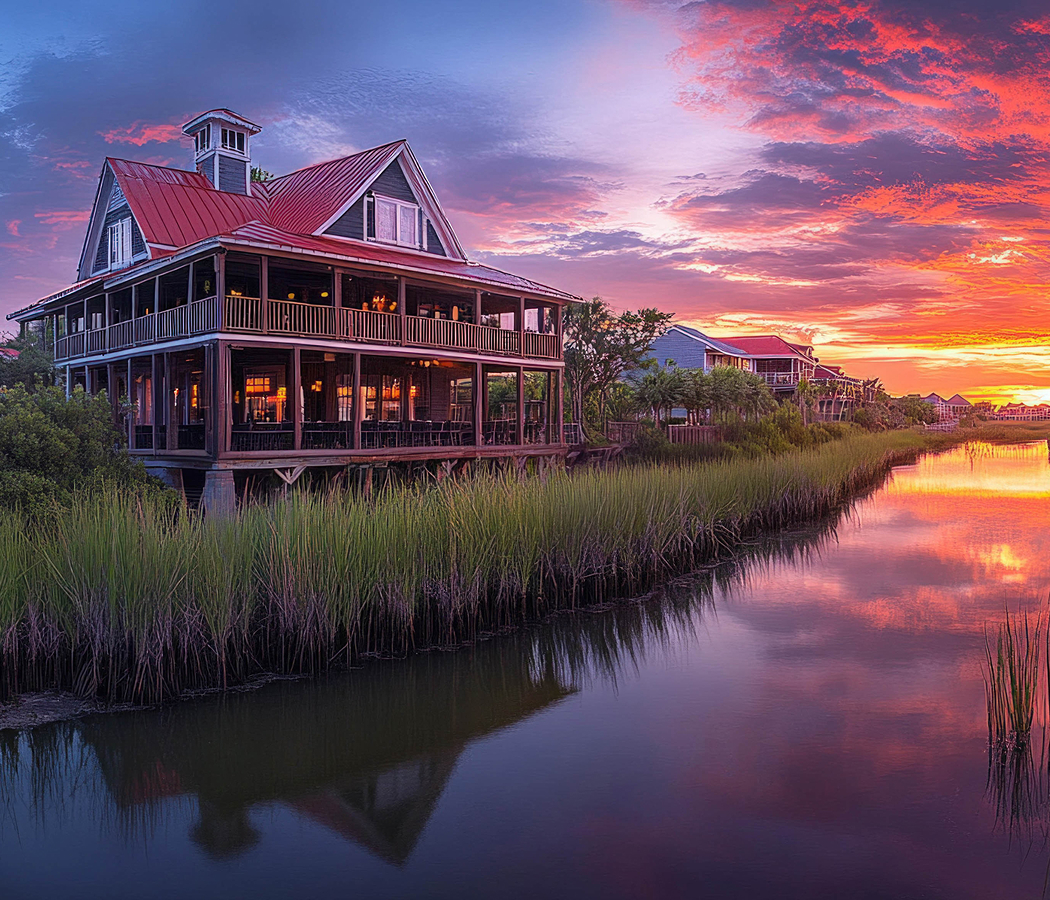
Red Fish Restaurant is a polished Lowcountry dining destination where Hilton Head's South End meets Ric Peterson's locally rooted restaurant stewardship, produce grown for the kitchen and one of the island's deepest commitments to wine.
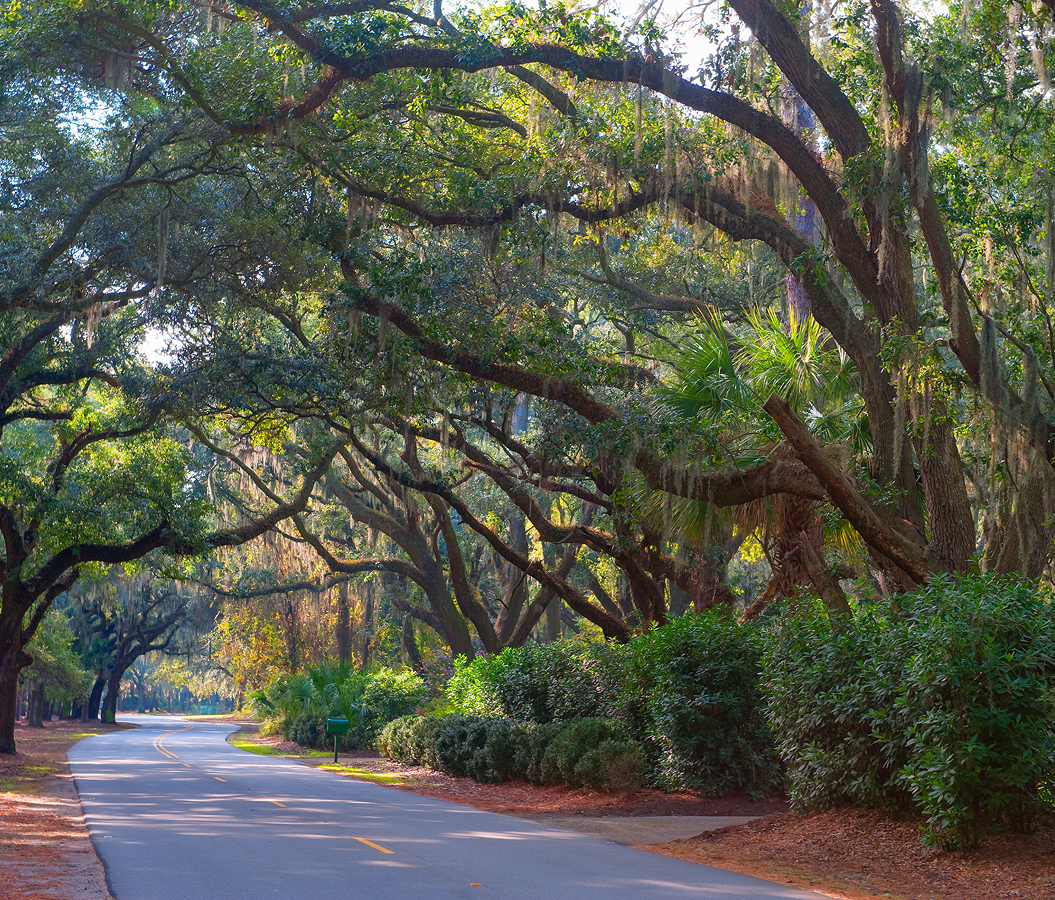
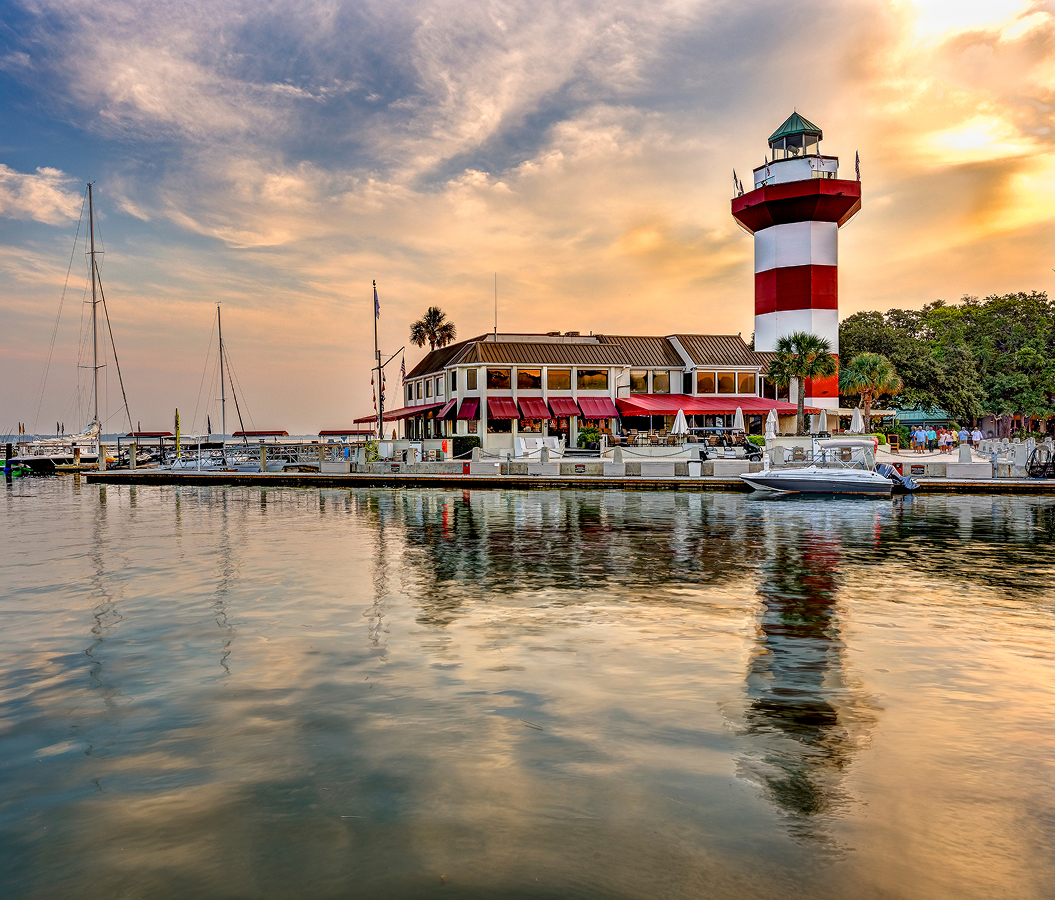
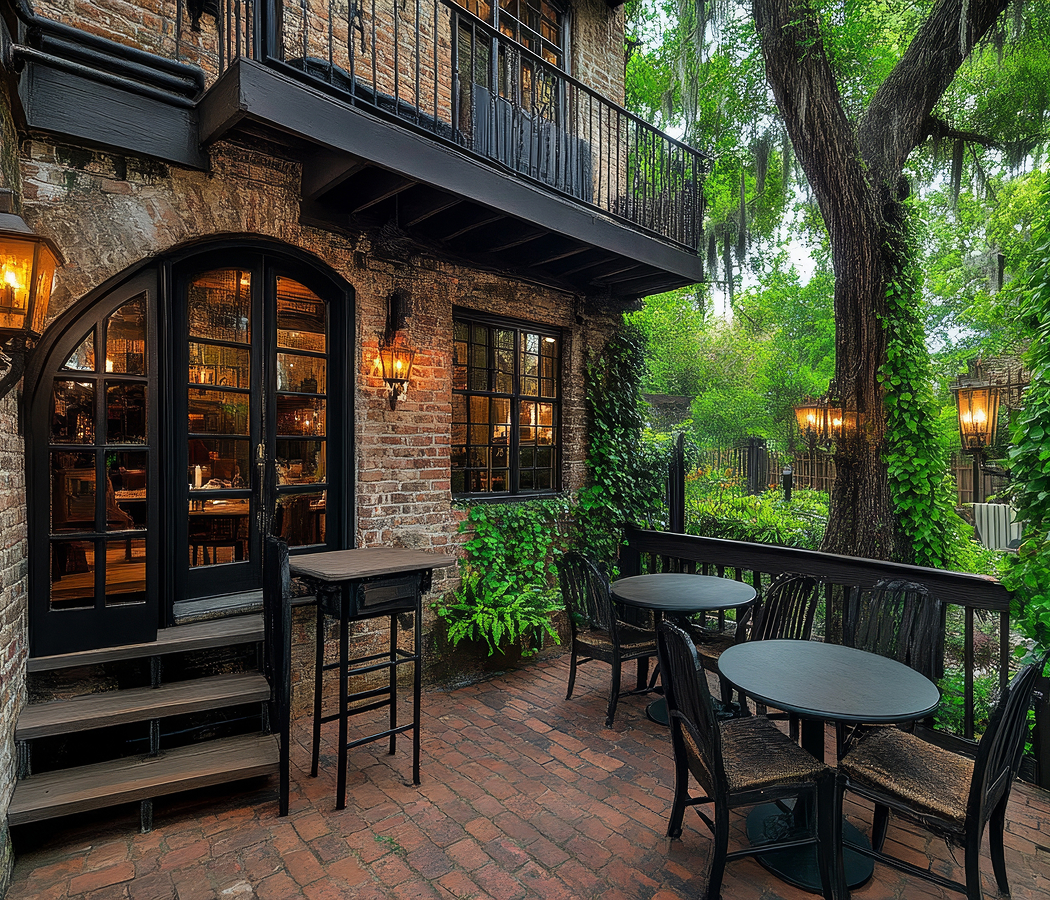
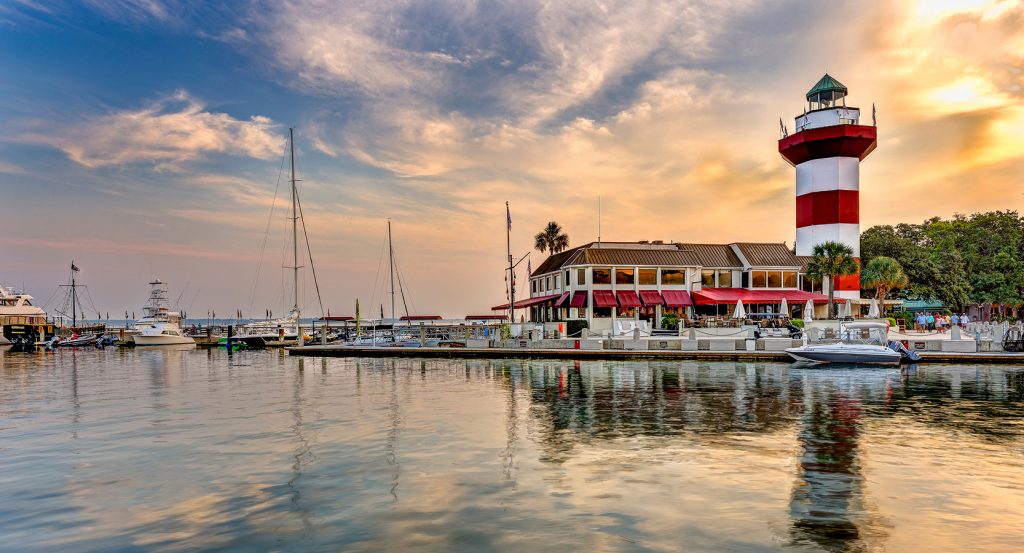
Set along Archer Road near Pope Avenue and just steps from the Sea Pines Circle area, the restaurant occupies a wooded South End pocket between Hilton Head's residential communities, bicycle corridors and the gateway toward Sea Pines. The freestanding building opens into warm dining rooms shaped by timber, framed artwork and broad windows, with a fireplace introducing a domestic counterpoint to its larger restaurant scale. An outdoor patio extends dining beneath the island's tree canopy, giving the property a second setting distinct from the enclosed rooms. Wine assumes a physical presence throughout the operation, culminating in a Chef's Cellar where an open kitchen sits among walls lined with bottles from international producers. The result is a South End restaurant whose Lowcountry setting and unusually prominent wine architecture give dinner the character of both a coastal dining room and a serious cellar.
What you should know about Red Fish Restaurant.
Red Fish Restaurant is best known for Ric Peterson's development of a Hilton Head dining institution that connects Lowcountry cooking with estate-grown produce and an unusually extensive wine program. Peterson became a significant figure in the island's independent restaurant business through ownership of Red Fish and the Old Oyster Factory, the latter under his stewardship from its 1989 opening until its 2019 sale, and he previously held interests in Alexander's and a second Red Fish operation in Bluffton. Red Fish's Archer Road property carries a longer physical history: the restaurant building dates to 1985, and a 1998 plat incorporated an adjoining portion of lagoon property into its site. The culinary operation subsequently established Bear Island Farms as its own agricultural source, bringing home-grown vegetables and fruit into a kitchen that also prioritizes locally caught wild fish and natural or free-range meats. Wine developed into the other defining pillar, with the restaurant earning Wine Spectator's Best of Award of Excellence beginning in 2001 and building a retail collection exceeding 1,000 bottles, with the broader selection presented at 1,300 wines from around the world. That depth changes the commercial model itself, since diners select bottles through an on-site retail shop for either the table or home, linking restaurant service directly with specialist wine retail. Melissa Cochran became part of the restaurant's culinary history through leadership of its lunch kitchen, and later chefs sustained a repertoire connecting South Carolina seafood with Caribbean, Asian and Latin American accents. The combination of Peterson's long Hilton Head restaurant career, dedicated farm production, two decades of Wine Spectator recognition and a retail cellar integrated into dining gives Red Fish a history substantially deeper than its coastal-American format initially suggests.
Firecracker calamari opens the cooking with crisp seafood and concentrated heat, establishing the Asian and tropical accents that recur beside the Lowcountry foundation. Local shrimp and scallops move toward rice and vegetables, with coconut curry introducing sweetness, spice and richness around the shellfish. Cherry Point swordfish takes a Mediterranean direction through lemon orzo, tomato, capers, Castelvetrano olives, roasted peppers, eggplant and artichoke before pistachio pesto supplies a nutty finish. Black Angus short ribs shift into slow braising, pairing tender beef with cauliflower gratin, haricots verts, mushroom Bordelaise and pickled red onions. Key lime pie closes the sequence through tart citrus, mango, raspberry and whipped cream, and caramel-apple bread pudding draws Burnt Church Distillery bourbon into crème Anglaise beside a date crumble. Local seafood, farm produce, tropical acidity, Asian spice and a cellar capable of supporting precise bottle pairings give the kitchen a broad coastal repertoire without severing its connection to South Carolina ingredients.
How to fold Red Fish Restaurant into your trip.
Red Fish Restaurant works as the dinner endpoint for an afternoon examining how the southern end of Hilton Head moved from ancient coastal occupation through twentieth-century conservation into the planning ideas that reshaped the modern island.
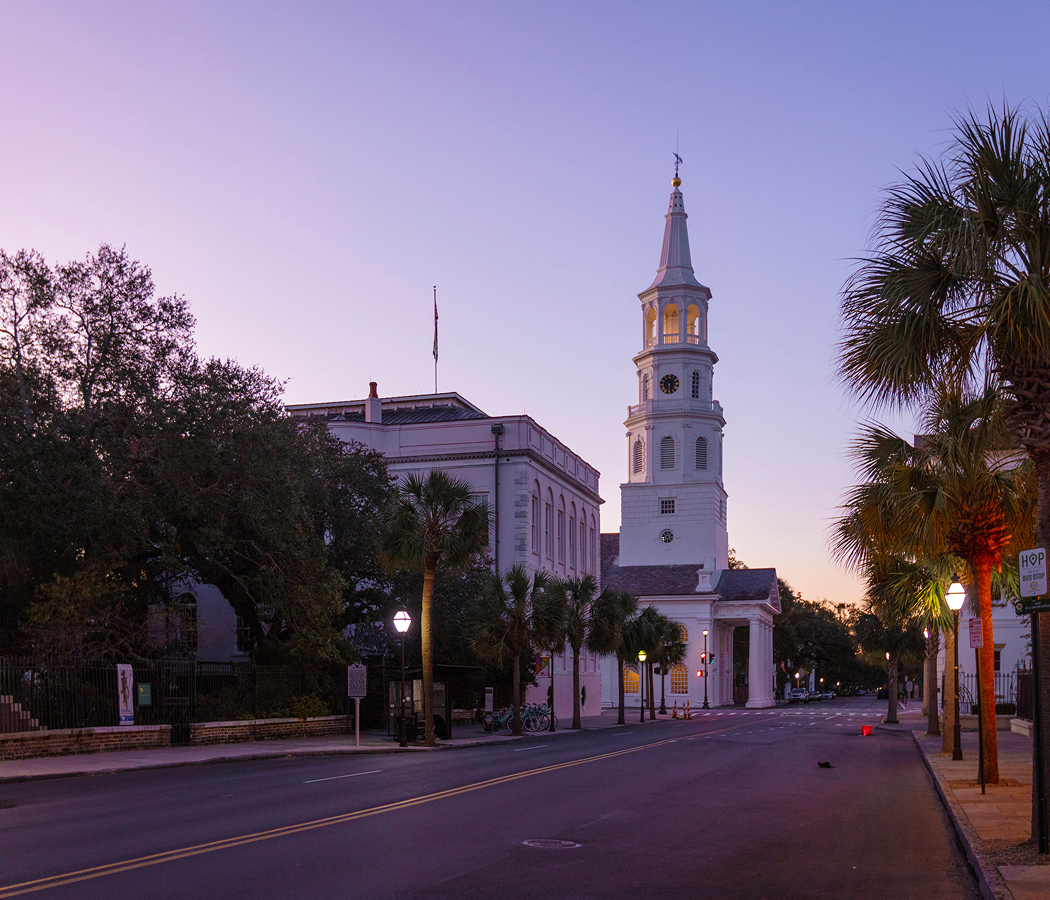
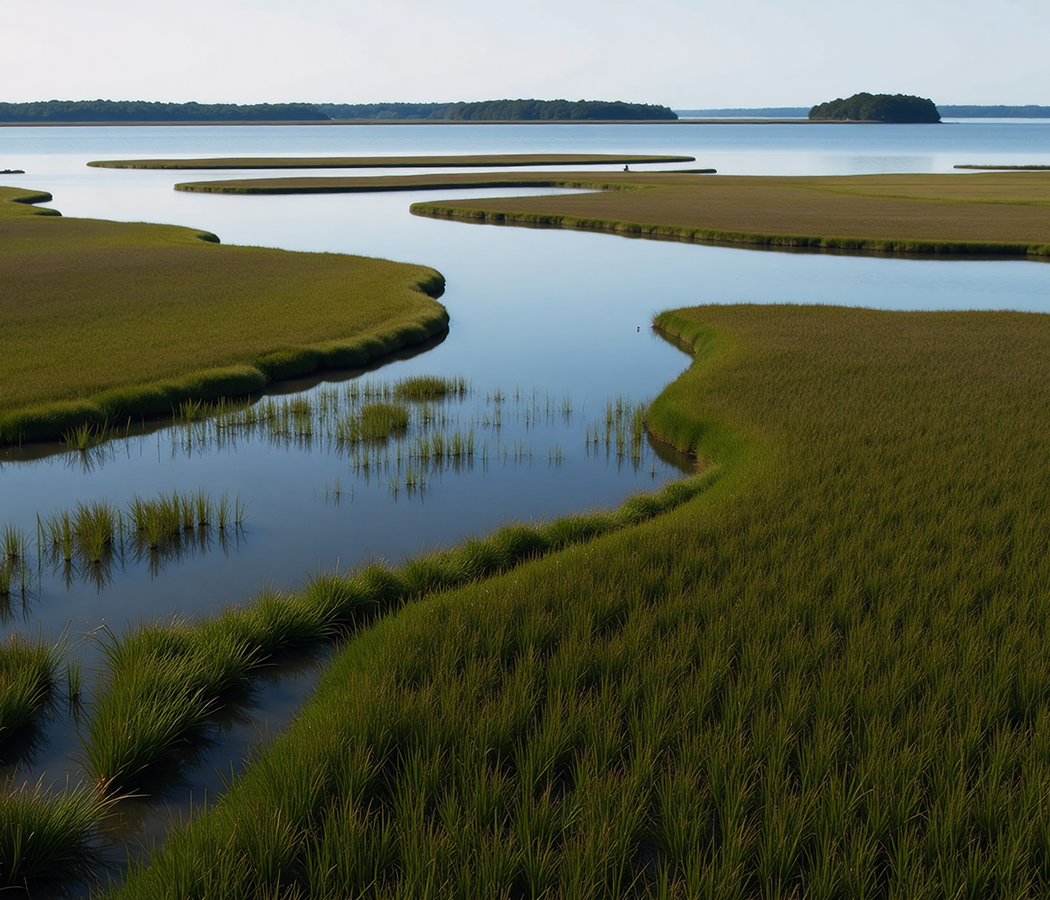
Begin at Compass Rose Park, whose name preserves the original compass-rose emblem associated with Charles Fraser's development company and whose interpretive installations trace Hilton Head's modern transformation after the first bridge connected the island to the mainland in 1956. Fraser had arrived through his family's timber interests, then pursued a development model for Sea Pines that restricted indiscriminate tree removal and placed landscape conservation inside the planning of a resort community, making his work fundamental to the physical character subsequently adopted across much of Hilton Head. Continue to Sea Pines Forest Preserve, where Charles and Joseph Fraser filed covenants in 1970 dedicating 606 acres as wildlife habitat and outdoor recreation land before the preserve formally opened on June 1, 1971. Landscape architect Hideo Sasaki's work with Fraser on the wider Sea Pines plan placed substantial open space inside the development scheme, and the protected acreage encompasses pine woods, live-oak forest, freshwater wetlands and former rice-field landscapes that preserve ecological and human histories within the resort. Conclude at Sea Pines Shell Ring, where Indigenous inhabitants accumulated oyster shell, fish bone and other remains into a circular formation beginning 4,800 years ago. Excavation by Alan Calmes in 1963 was followed by renewed archaeological investigation beginning in 2016, with radiometric analysis placing formation across nine centuries and later work revealing subsequent ritual reuse long after its initial construction; the 60-meter ring now survives inside the protected forest as one of the South Carolina coast's important archaeological sites. The progression moves from Fraser's modern planning principles at Compass Rose Park through the permanent conservation mechanism established at Sea Pines Forest Preserve into the far older human occupation preserved by Sea Pines Shell Ring, placing Red Fish near a South End landscape shaped across millennia by settlement, land use and preservation.
Where your story begins.
Foresyte Travel reveals places that feel extraordinary long before you arrive.
Experience premium editorial crafted for luxury travelers.