Why you should experience Paul Loebe Building in Berlin, Germany.
Paul Loebe Building, or Paul Löbe Haus, is one of Berlin's most striking examples of modern democracy, a luminous glass structure where transparency isn't just architectural but ideological.
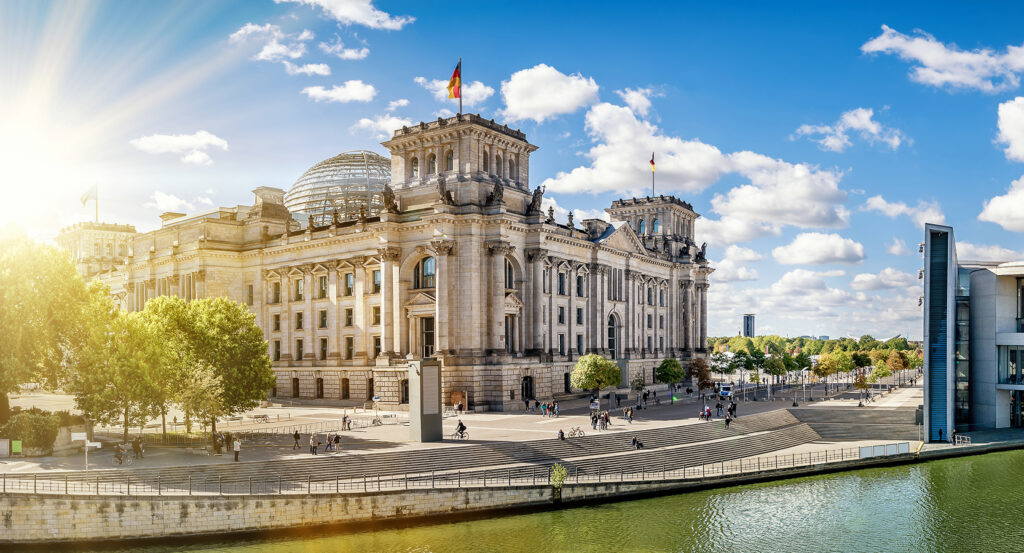
Standing beside the River Spree, across from the historic Reichstag Building, it bridges the weight of Germany's past with the clarity of its present. Designed by architect Stephan Braunfels and inaugurated in 2001, the building's sleek façade of glass and steel glows like a lantern at night, its corridors of light symbolizing open governance. Inside, sweeping walkways and vast atriums create a rhythm of order and openness, a deliberate counterpoint to the secrecy and shadows that once defined political power in this city. Walking through Paul Loebe Building feels less like entering an office of state and more like stepping into a civic cathedral, spacious, reflective, and filled with light that flows freely from floor to ceiling. Together, with its twin, the Marie-Elisabeth-Lüders Haus, it completes a unified vision for Berlin's government quarter: one where transparency is the foundation, and architecture becomes a living promise to the people.
What you should know about Paul Loebe Building.
Named after Paul Löbe, a Weimar-era parliamentarian and early champion of democracy, the building carries deep symbolic resonance.
It was designed not simply as an administrative space, but as the working center of the German Bundestag's committees, where the real conversations and decisions of government unfold away from the performance of the plenary chamber. The structure spans over 200 meters in length, with 17 meeting halls, 1700 offices, and a central glass atrium that floods the interior with daylight. Every design choice reinforces accountability: glass walls instead of partitions, open hallways instead of hidden corridors. The building's location, directly opposite the Reichstag across the Spree, was chosen with precision, the two are connected by an underground tunnel symbolizing the discussion between public representation and the machinery of governance. Even its geometric rhythm, alternating cylinders and rectangles, reflects the German principle of Ordnung and balance. Many visitors don't realize that Paul Loebe Building is also environmentally advanced: energy-efficient glazing, natural ventilation systems, and solar integration make it one of Berlin's greenest public buildings. It's a quiet masterpiece that redefines what government architecture can mean, functional yet deeply moral.
How to fold Paul Loebe Building into your trip.
Visiting Paul Loebe Building offers a glimpse into the living heartbeat of modern German democracy.
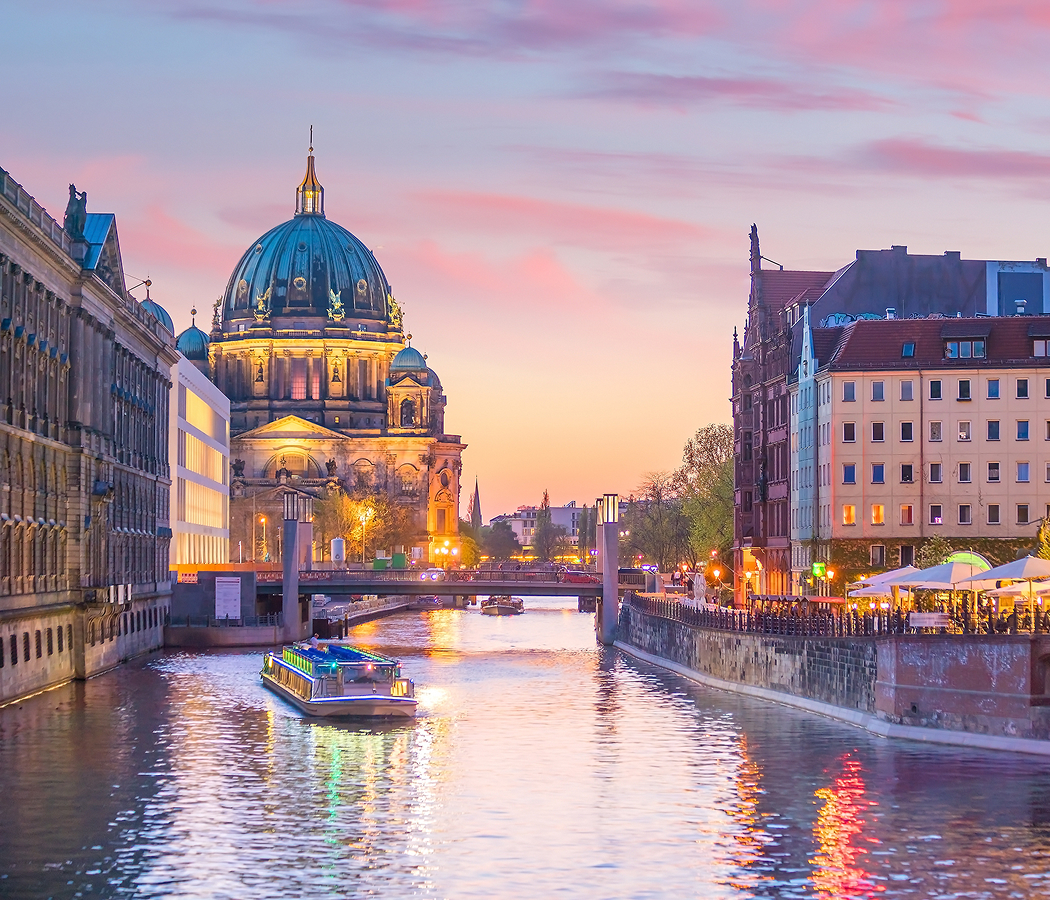
While it's primarily an administrative building, guided tours organized by the Bundestag allow visitors to explore its vast interior, including the committee rooms and the impressive central atrium. To truly appreciate its design, walk along the Spree promenade where the building's glass façade mirrors the Reichstag and the dome beyond, a visual conversation between history and progress. At dusk, the reflections grow more profound, as the building lights up and seems to dissolve into the evening sky. Combine your visit with the Reichstag Dome or the Marie-Elisabeth-Lüders Haus across the river to experience the architectural discussion that defines Berlin's government district. Even from the outside, Paul Loebe Building speaks volumes, it's a structure that invites you to see through it, to understand its purpose. In a city that has learned to rebuild with honesty, Paul Loebe Building stands as both symbol and sanctuary: a transparent home for the hard work of democracy.
Where your story begins.
Foresyte Travel reveals places that feel extraordinary long before you arrive.
Experience premium editorial crafted for luxury travelers.