Why you should experience Wat Arun Ferry Pier in Bangkok, Thailand.
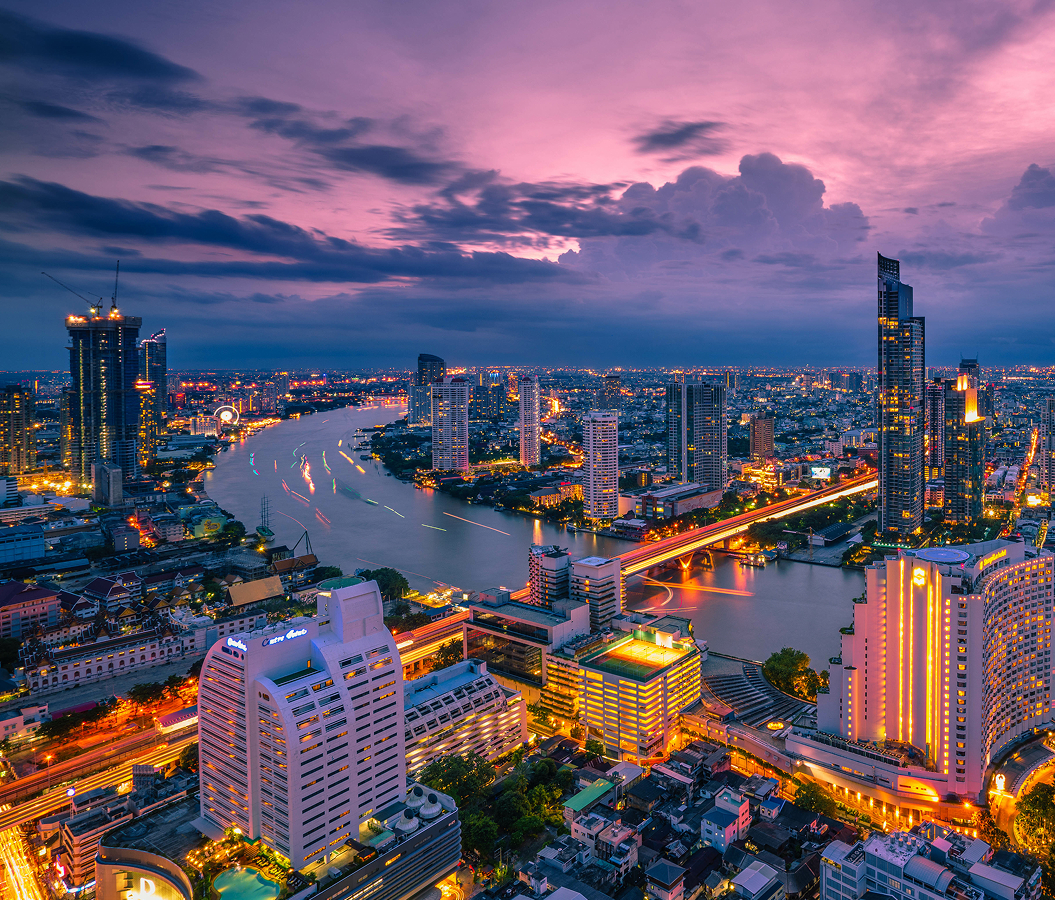
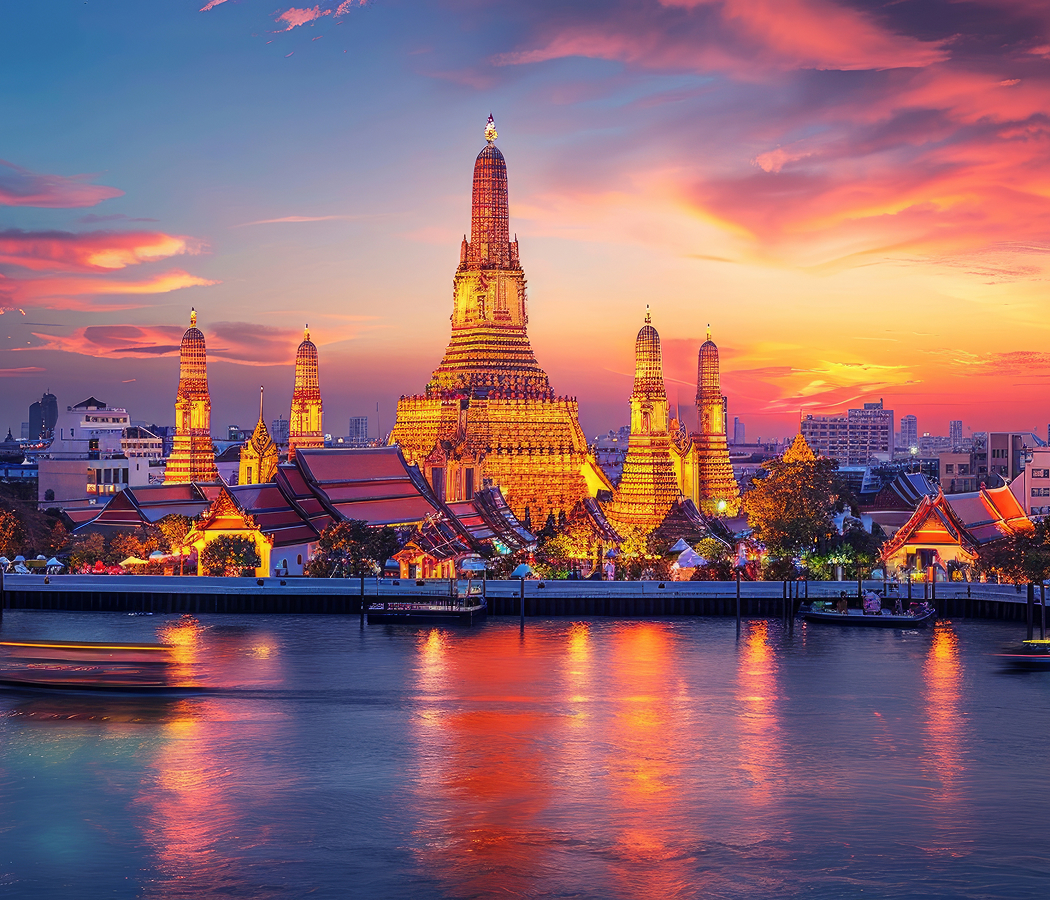
As the sun glints off the rippling Chao Phraya in Bangkok, Wat Arun Ferry Pier becomes the temple's first act of revelation, a meeting place between water and worship, motion and stillness.
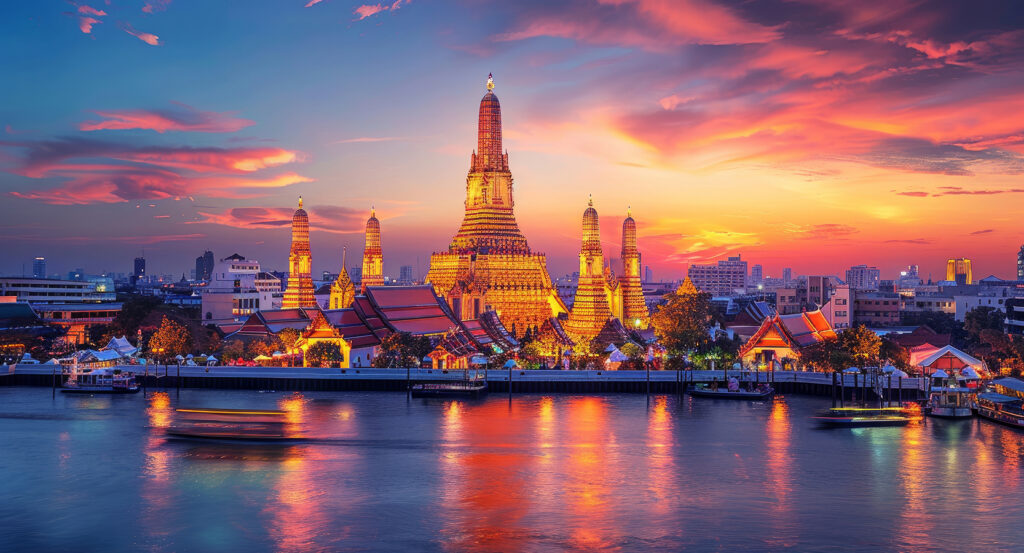
Longtail boats hum past in bursts of color, their engines sputtering like dragonflies as the scent of river wind mingles with incense from the temple above. From this pier, the temple doesn't yet seem sacred, it feels alive, breathing, human. Vendors sell garlands of jasmine and lotus buds to those arriving by ferry, and the metallic clang of coins in offering bowls echoes faintly over the lapping water. Across the river, Wat Pho and the Grand Palace shimmer in the distance, but here the view belongs to the prang, its porcelain mosaics catching the sunlight like a constellation scattered across stone. Step closer to the railing, and the reflection of the Central Prang ripples upon the river's surface, bending and breaking with every wave, a quiet metaphor for devotion itself: eternal, but never still. Wat Arun Ferry Pier is where pilgrimage begins, where the sacred is first encountered not through silence, but through the rhythm of arrival.
What you should know about Wat Arun Ferry Pier.
What most travelers never realize is that Wat Arun Ferry Pier has always been more than an entryway, it is the temple's pulse, its historical and spiritual artery.
For centuries, the Chao Phraya has been Bangkok's lifeline, its waters carrying traders, monks, and pilgrims to the temple once known as Wat Makok. In the early 19th century, when King Rama II and King Rama III restored the temple and raised the central prang, the pier became both portal and witness, the ceremonial point where royal barges once moored during processions, their gilded prows gliding across the current like living sculptures. The pier's proximity to the river is no coincidence; in Thai cosmology, water signifies purification, transition, and renewal. Every worshipper who steps ashore here is symbolically cleansed, leaving behind the noise of the city for the serenity of the temple's terraces. Even the carved balustrades and lanterns framing the pier echo Buddhist symbolism: lotuses, naga serpents, and stylized waves that represent samsara, the eternal cycle of rebirth. The River Pier thus stands not only as a threshold of geography, but of consciousness, where worldly motion meets divine stillness, and the river's endless flow becomes a hymn to impermanence.
How to fold Wat Arun Ferry Pier into your trip.
To fold Wat Arun Ferry Pier into your Bangkok journey, make the approach by water, for that is how the temple reveals its true self.
Board the ferry from Tha Tien Pier across the river just before sunrise or in the golden hush of late afternoon. As the boat glides toward Wat Arun, watch how the Central Prang begins to shimmer like a lantern, pale and cool in morning light, then glowing amber as the day wanes. When you disembark, pause before stepping onto the pier. Feel the rhythm beneath your feet, the planks shifting ever so slightly with the current. Offer a quiet moment of gratitude, whether in prayer or in breath, before climbing the steps toward the temple grounds. On your return journey, linger again at the pier. Watch the water catch reflections of temple lights, the porcelain tower now luminous against a deepening indigo sky. In that scene, ferries gliding, bells chiming, monks passing in saffron robes, Bangkok reveals its dual soul: eternal and ephemeral, sacred and everyday. Wat Arun Ferry Pier is not just a way in; it is the heartbeat of the temple, where faith begins in motion and ends in light.
Where your story begins.
Foresyte Travel reveals places that feel extraordinary long before you arrive.
Experience premium editorial crafted for luxury travelers.