Why you should experience Robert Trent Jones Oceanfront Golf Course in South Carolina.
Robert Trent Jones Oceanfront Golf Course is a strategic resort course where Palmetto Dunes' engineered coastal landscape meets Robert Trent Jones Sr.'s broad-scale golf architecture, Atlantic wind and one of Hilton Head's rare holes opening directly toward the ocean.
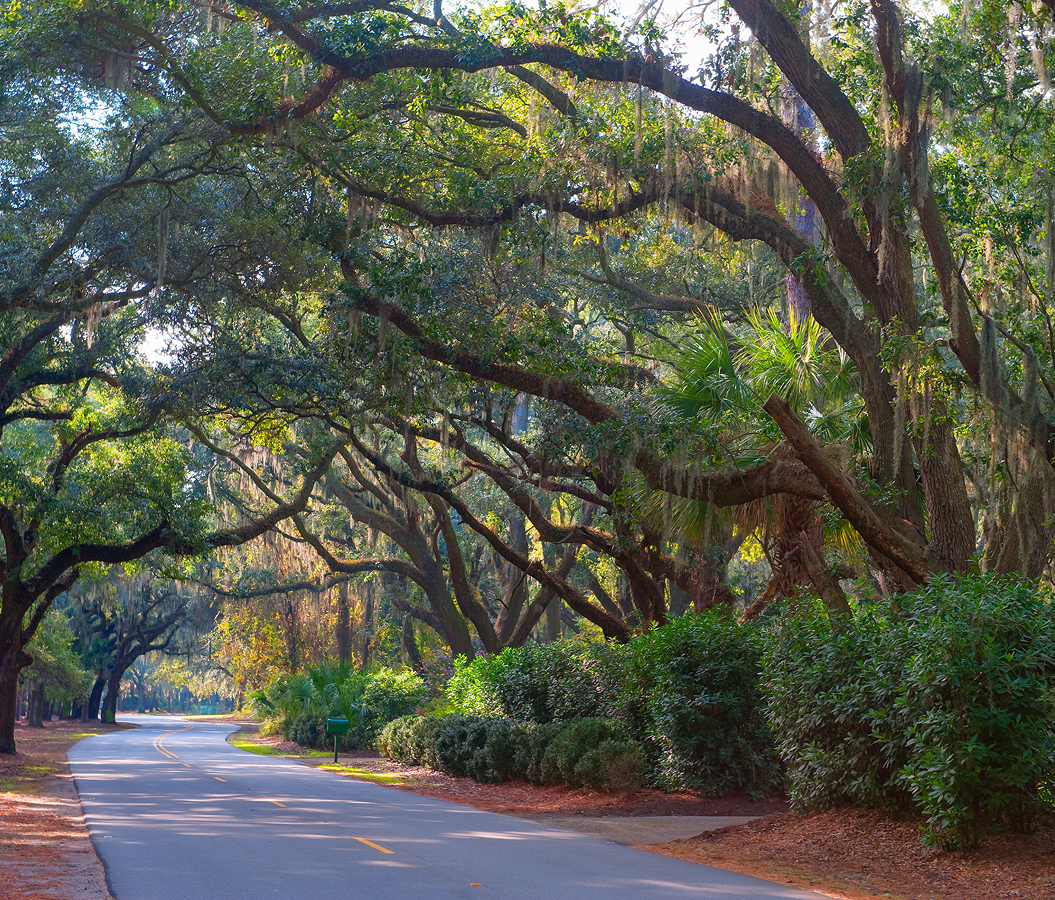
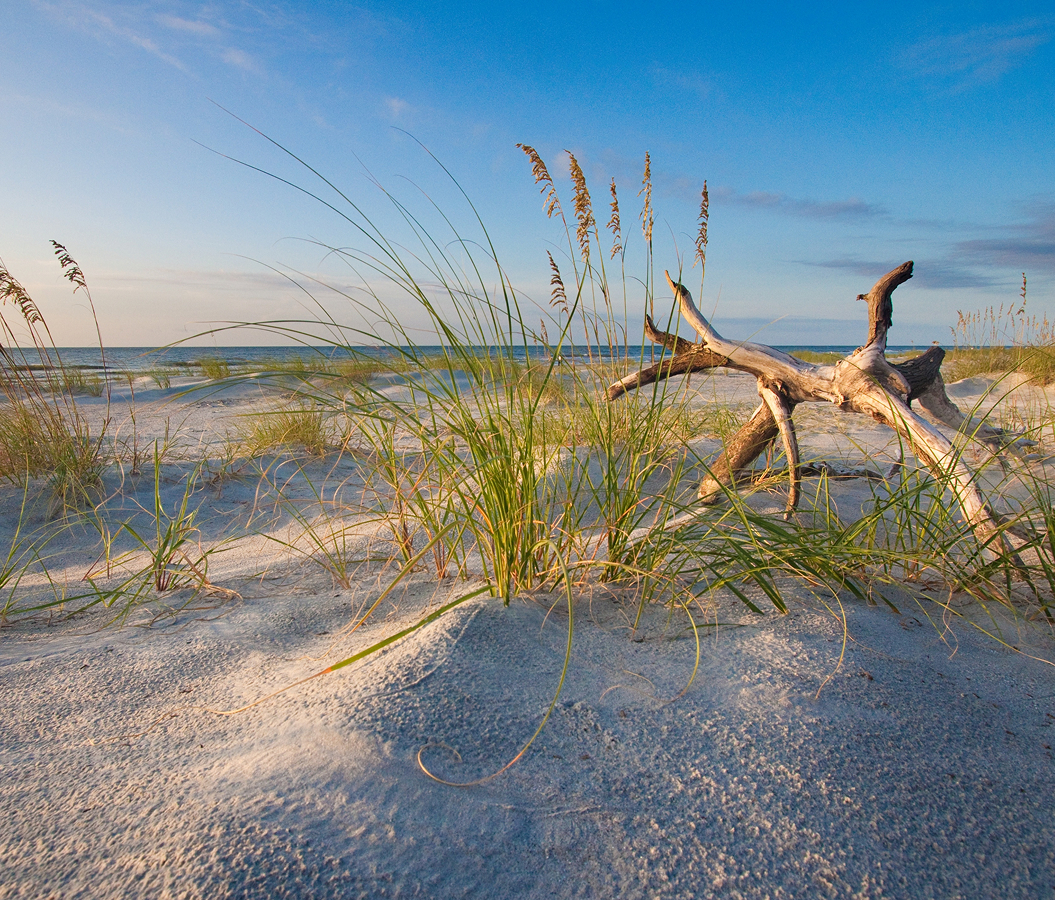
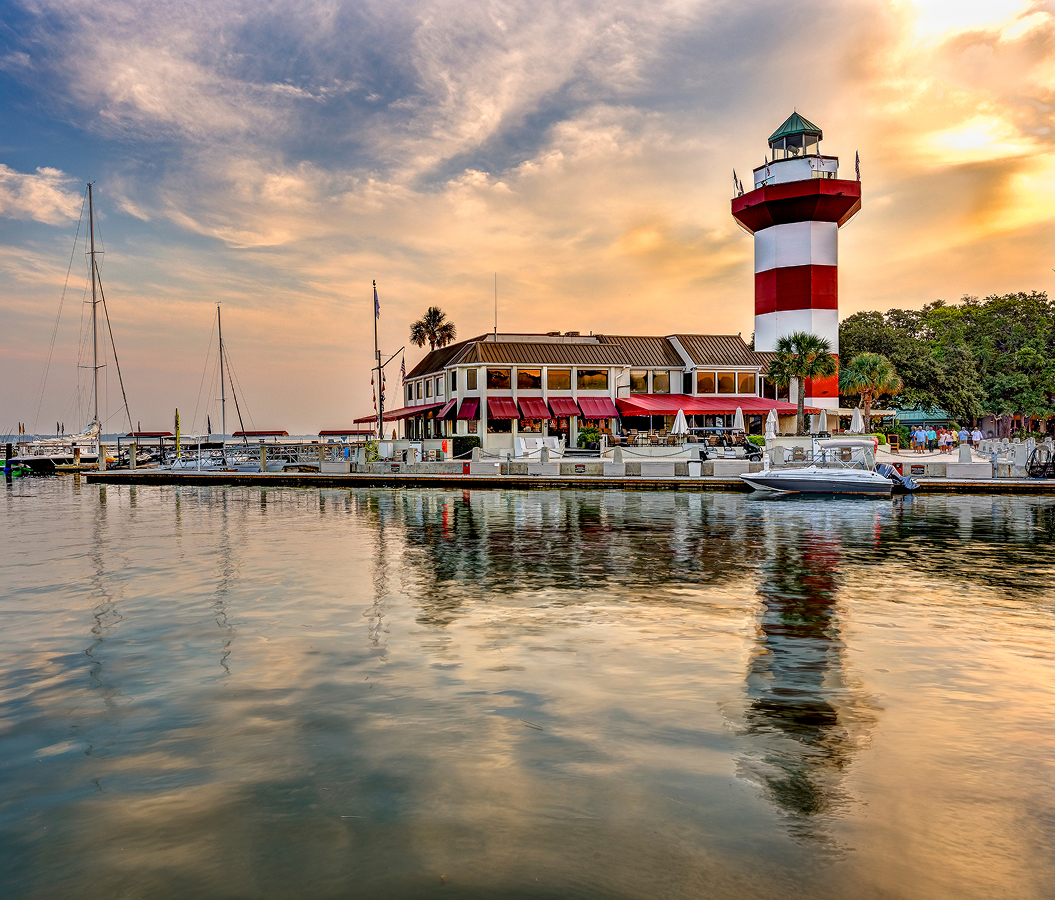
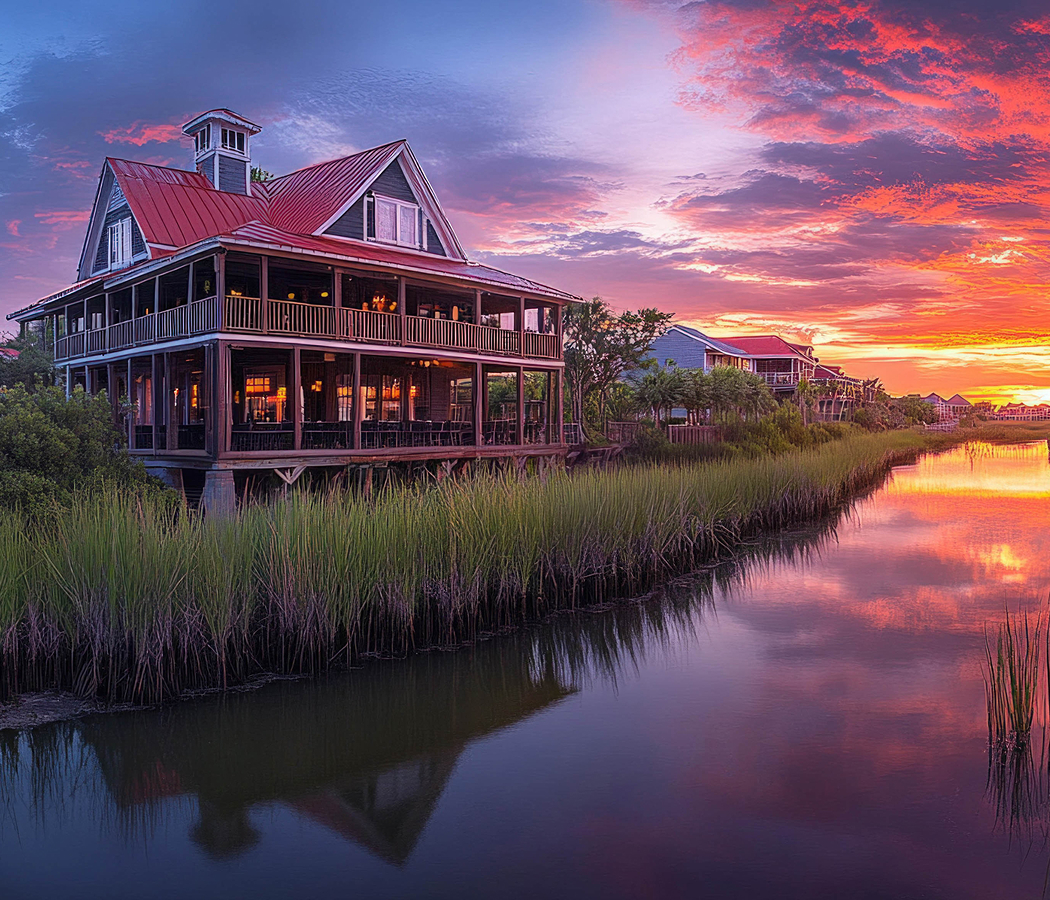
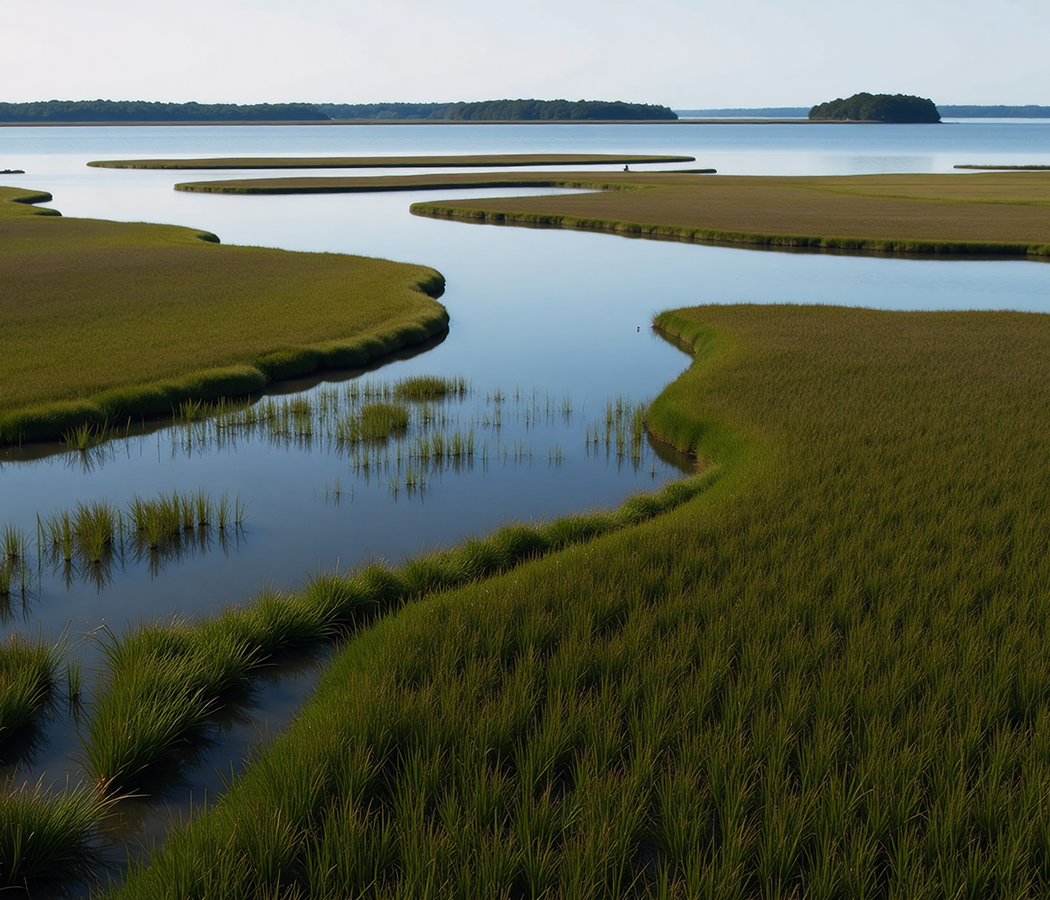
Set along Trent Jones Lane near William Hilton Parkway and just steps from the Atlantic shoreline, the course occupies the ocean side of Palmetto Dunes, a resort community shaped around reconstructed dunes and an interconnected lagoon network. Broad fairways establish visual scale across the routing, then expansive greens and large bunkers turn approach placement into a recurring strategic demand. Water enters repeatedly through the lagoon system, with carries and lateral hazards forcing decisions before the ball reaches Jones's elevated putting surfaces. The par-five 10th supplies the dramatic midpoint, moving toward an elevated green with the Atlantic filling the horizon behind it and coastal wind altering the demands of three successive shots. The result is a Palmetto Dunes course where Jones's spacious architecture gains its character from engineered water, ocean exposure and the strategic consequences of Hilton Head's coastal terrain.
What you should know about Robert Trent Jones Oceanfront Golf Course.
Robert Trent Jones Oceanfront Golf Course is best known for establishing golf at Palmetto Dunes during the resort's first phase of development and for the substantial redesign later undertaken by Jones protégé Roger Rulewich. Several physicians and business executives from Greenwood, South Carolina joined Charles Fraser during the mid-1960s to acquire 2,000 acres for $1,000 per acre, initiating a resort project on terrain that required extensive reshaping before its recreational ambitions were viable. Development began in 1967, and the Jones course was completed alongside the lagoon system in 1968, making it the first of three architect-designed courses that eventually included George Fazio's 1974 layout and Arthur Hills's 1986 course. Coastal engineering soon became inseparable from that early golf landscape: Dr. Per Bruun led a 1970 beach-restoration undertaking that dredged nearly two million cubic yards of sand from the lagoons and used it to construct dunes reaching 11 feet, with tidal gates controlling water movement through the resulting system. Roger Rulewich returned to the Jones course decades later for an extensive renovation completed in the early 2000s, reshaping tees, greens and bunkers, elevating fairways and restoring bunker forms associated with Jones's original design. The work earned the course South Carolina Golf Course of the Year recognition from the state board of the National Golf Course Owners Association in 2003. GolfPass subsequently placed the course among America's 25 Most Improved Golf Courses in 2021, and Golfweek ranked it No. 17 among South Carolina's public-access courses for 2025.
The first hole introduces Jones's approach with a straight par four whose elevated green sits behind a substantial front-left bunker, demanding that the second shot carry its principal defense. Water becomes more explicit at the second, where a lagoon crosses immediately before the green and rewards a tee shot positioned toward the left-center fairway. The routing continues to alternate broad landing areas with narrowing approaches, elevated putting surfaces and sand positioned to complicate the preferred angle into greens. Hole 10 stretches to a par five and brings the Atlantic directly into the round: three fairway bunkers influence the route from the tee, three more defend the elevated green and ocean wind changes club selection across successive shots. The current gold tees extend the complete par-72 course beyond 7,000 yards, with a USGA rating of 74.8 and slope of 141, giving the longest configuration substantial resistance despite its comparatively broad corridors. Jones's large greens, strategically placed sand, lagoon crossings and the ocean-facing 10th produce a round whose difficulty accumulates through approach geometry and changing coastal wind.
How to fold Robert Trent Jones Oceanfront Golf Course into your trip.
Robert Trent Jones Oceanfront Golf Course works as the recreational anchor for an exploration of Palmetto Dunes and Shelter Cove that connects nineteenth-century maritime navigation with the resort era's union of grand public art and civic commemoration.
Begin at Hilton Head Rear Range Lighthouse, built between 1879 and 1880 after Congress authorized $40,000 for a range-light system guiding vessels into Port Royal Sound. The surviving iron skeleton tower rises more than 90 feet from six concrete piers and originally worked with a shorter beachfront beacon; mariners aligned the two lights vertically to locate the shifting navigation channel, with the rear lantern visible 15 miles away before deactivation in 1932 and later service as a wartime lookout. Continue to King Neptune Sundial, commissioned for the developing Shelter Cove Harbour and created by sculptor Wayne Edwards over more than a year before its 1983 dedication. Johnson's Atelier in Princeton cast the 12-foot bronze figure, and engineers Frank Yerkes and Richard Hamilton calculated its orientation so Neptune's trident casts time across a 26-foot circular dial, turning the 3,000-pound sculpture into a functioning astronomical instrument. Conclude at Veterans' Memorial Park, developed after military veterans and local government groups began seeking a permanent location for Hilton Head's Memorial Day and Veterans Day observances in 2003. The completed 2005 memorial used 30 tons of granite for its circular composition and angled columns, with military-branch seals and inscriptions devoted to twentieth- and twenty-first-century conflicts establishing a permanent civic site beside Broad Creek. The progression moves from a nineteenth-century range-light system engineered to navigate Port Royal Sound through Edwards's union of bronze sculpture and astronomical measurement into a twenty-first-century memorial created for communal remembrance, tracing three distinct uses of precision, public space and coastal geography around Palmetto Dunes.
Where your story begins.
Foresyte Travel reveals places that feel extraordinary long before you arrive.
Experience premium editorial crafted for luxury travelers.