Why you should experience Hilton Head Rear Range Lighthouse in South Carolina.
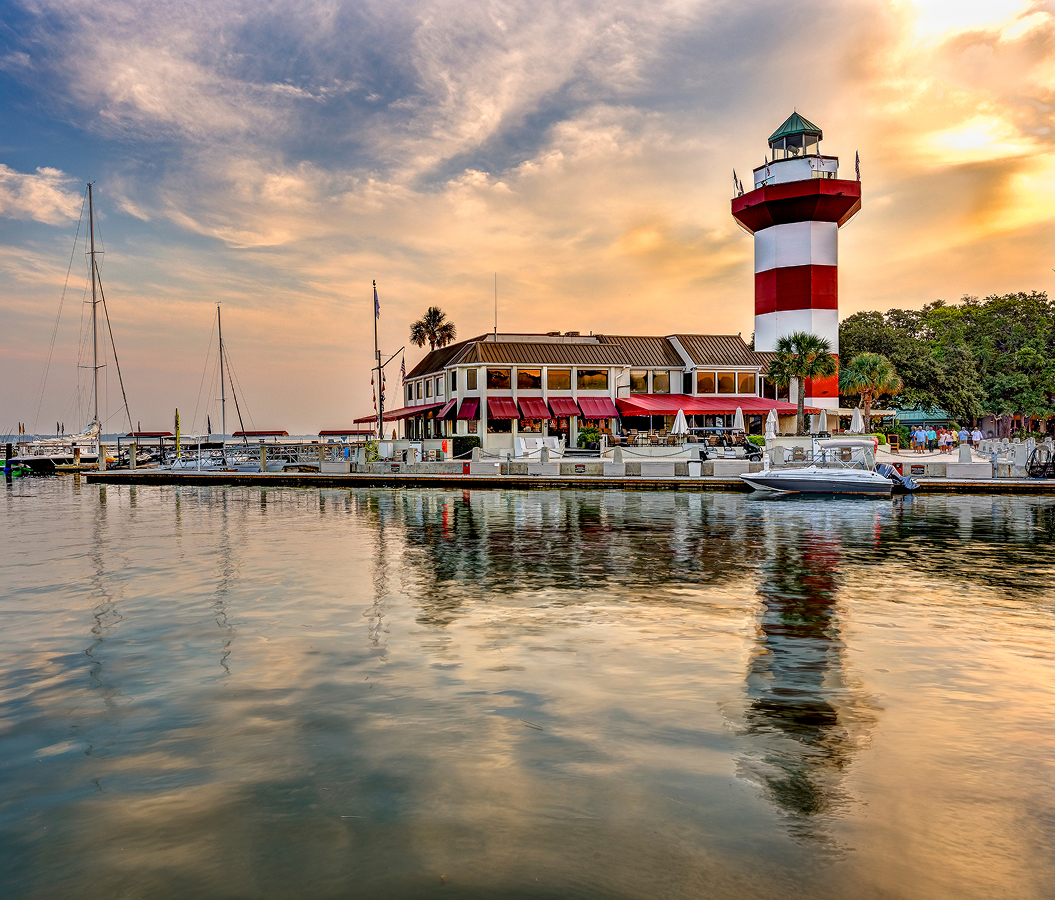
Hilton Head Rear Range Lighthouse is a remarkable historic lighthouse where Palmetto Dunes' coastal heritage, maritime navigation, and preserved engineering showcase one of the few surviving nineteenth-century range lights in the United States.
Set along Leamington Lane near Queens Folly Road and just steps from the Arthur Hills Golf Course within Palmetto Dunes Oceanfront Resort, this beautifully preserved cast-iron lighthouse rises above mature maritime forests as an unexpected reminder of Hilton Head's longstanding relationship with Atlantic navigation. Elegant Victorian detailing, tranquil surroundings, and exceptional preservation create a distinctive historical experience unlike any other landmark on the island. The result is an experience defined by maritime history, engineering innovation, and one of South Carolina's rarest navigational structures.
What you should know about Hilton Head Rear Range Lighthouse.
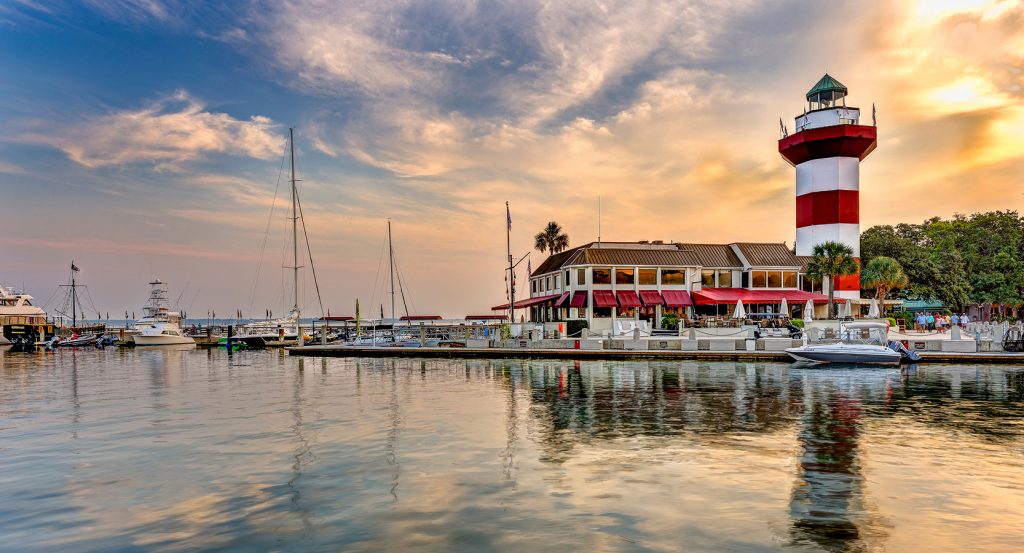
Hilton Head Rear Range Lighthouse is best known as the only surviving rear range lighthouse in South Carolina and one of the few intact nineteenth-century range light systems remaining in the United States, preserving an important chapter of coastal navigation following the Civil War. Constructed in 1879 by the United States Lighthouse Board, the 90-foot (27-meter) wrought-iron tower formed the rear beacon of a paired range-light system guiding vessels safely through the shifting entrance channels of Port Royal Sound, among the deepest natural harbors on the Atlantic seaboard and among the Union Navy's most strategically important Civil War anchorages after its capture in November 1861. Unlike conventional coastal lighthouses that warned mariners of hazards, the rear range light functioned with a shorter front range light 3,000 feet away, allowing navigators to align both beacons vertically and remain precisely within the dredged shipping channel leading toward Port Royal, Beaufort, and surrounding military and commercial ports. Designed in the Victorian Stick Style with a distinctive octagonal keeper's house wrapped around its iron skeletal tower, the lighthouse reflects an uncommon architectural approach that combined practical engineering with domestic residential design for lighthouse keepers. Decommissioned in 1932 as modern navigation systems rendered the range obsolete, the structure narrowly escaped demolition before preservationists relocated it in 1985 to its present site within Palmetto Dunes, where an extensive restoration returned the lighthouse to its historic appearance. Listed on the National Register of Historic Places in 1984, the lighthouse remains one of the nation's finest surviving examples of a rear range beacon while illustrating the evolution of maritime engineering, federal coastal infrastructure, and preservation efforts that safeguarded one of Hilton Head's most distinctive historic landmarks.
Original cast-iron construction, restored woodwork, Victorian architectural detailing, and carefully maintained grounds provide an unusually complete view of late nineteenth-century lighthouse design beyond the more familiar coastal tower typology. Continued stewardship by the Hilton Head community has transformed the lighthouse into both a treasured historic landmark and an enduring symbol of the island's maritime legacy, preserving a rare navigational technology that once guided countless vessels through the waters of Port Royal Sound.
How to fold Hilton Head Rear Range Lighthouse into your trip.
Hilton Head Rear Range Lighthouse works as part of an exploration celebrating Hilton Head's maritime history and coastal landscapes.
Begin at Shelter Cove Harbour & Marina, where sweeping Broad Creek views introduce Hilton Head's enduring relationship with the water before continuing to Hilton Head Rear Range Lighthouse. Continue to Coastal Discovery Museum, whose engaging exhibits deepen appreciation for the island's natural history, maritime heritage, and Gullah culture. Conclude at Historic Mitchelville Freedom Park, where nationally significant interpretation provides a memorable finale exploring Hilton Head's transformative role during the Civil War and Reconstruction. The progression moves naturally from the island's contemporary waterfront to nineteenth-century maritime engineering before concluding with one of America's most important emancipation landscapes.
Where your story begins.
Foresyte Travel reveals places that feel extraordinary long before you arrive.
Experience premium editorial crafted for luxury travelers.