Why you should experience Sampheng Market in Bangkok, Thailand.
Sampheng Market is a renowned commercial bazaar where Yaowarat's Chinese heritage, centuries of trade, entrepreneurial spirit, and energetic street life create one of Bangkok's most fascinating shopping districts.
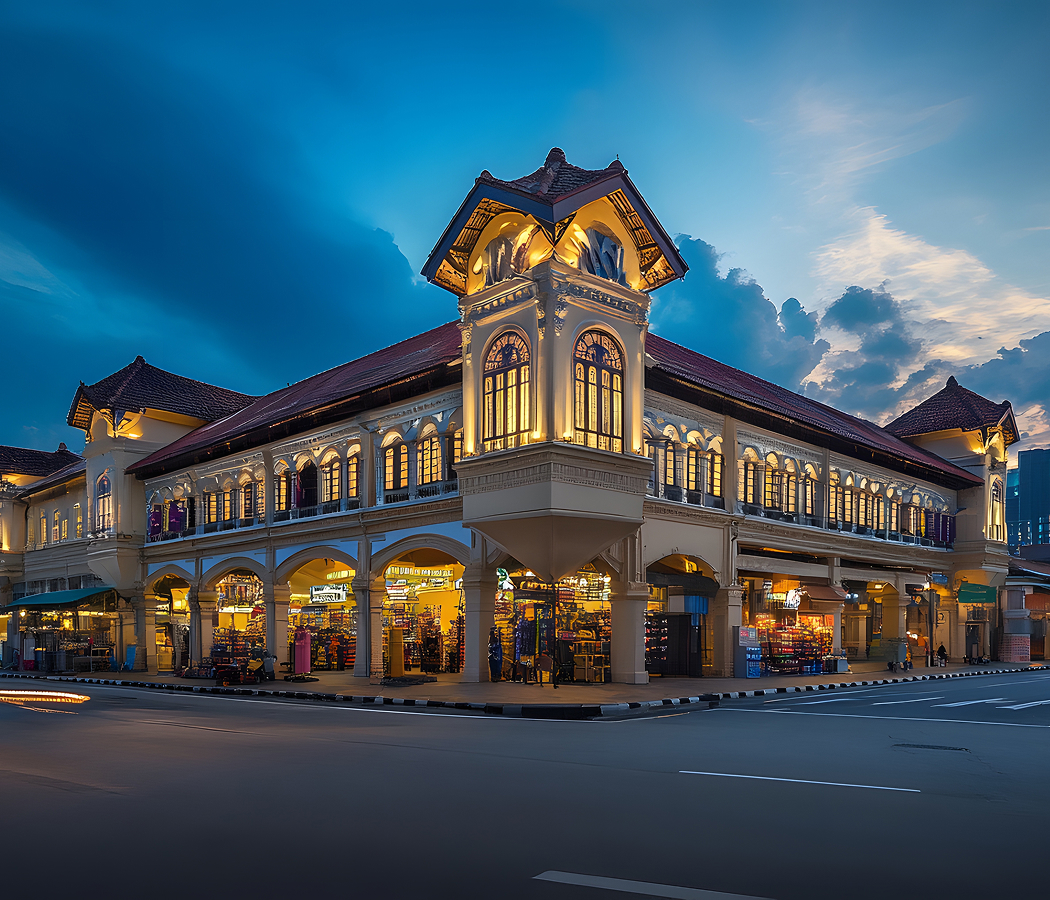
Running through Bangkok's historic Chinatown along Sampheng Lane near Yaowarat Road and just steps from Wat Mangkon Kamalawat, this thriving pedestrian market immerses visitors in a maze of narrow alleys overflowing with textiles, jewelry, fabrics, household goods, toys, accessories, herbs, souvenirs, and wholesale merchandise that have attracted merchants for generations. Endless storefronts, colorful displays, and the constant rhythm of commerce create an atmosphere where Bangkok's mercantile traditions remain remarkably intact. Every turn reveals another hidden passage filled with discoveries. The result is an experience defined by commercial heritage, cultural authenticity, and one of Thailand's oldest continuously operating markets.
What you should know about Sampheng Market.
Sampheng Market is best known for forming the historic commercial heart of Bangkok's Chinatown, tracing its origins to 1782, when King Rama I established the new capital of Rattanakosin and relocated the city's Chinese community from the area surrounding the Grand Palace to the eastern bank of the Chao Phraya River. Centered on the narrow thoroughfare historically known as Sampheng Lane (now Soi Wanit 1), the market rapidly evolved into Siam's principal wholesale trading district as Chinese merchants imported silk, tea, porcelain, spices, medicinal herbs, jewelry, dried seafood, and manufactured goods from across East and Southeast Asia. Despite measuring only a few meters wide in many sections, the labyrinthine lane became one of the busiest commercial corridors in the kingdom, with thousands of family-owned businesses operating from tightly packed shophouses whose upper floors traditionally served as residences while ground floors functioned as shops and warehouses. Today Sampheng remains one of Thailand's largest wholesale markets, supplying retailers throughout the country with fabrics, fashion accessories, giftware, packaging materials, household products, toys, cosmetics, decorations, and seasonal merchandise while preserving a trading culture that has flourished for more than 240 years. The surrounding neighborhood also retains exceptional concentrations of historic Chinese temples, traditional medicine shops, gold merchants, clan associations, and heritage architecture that collectively demonstrate the profound influence of the Chinese diaspora on Bangkok's economic development.
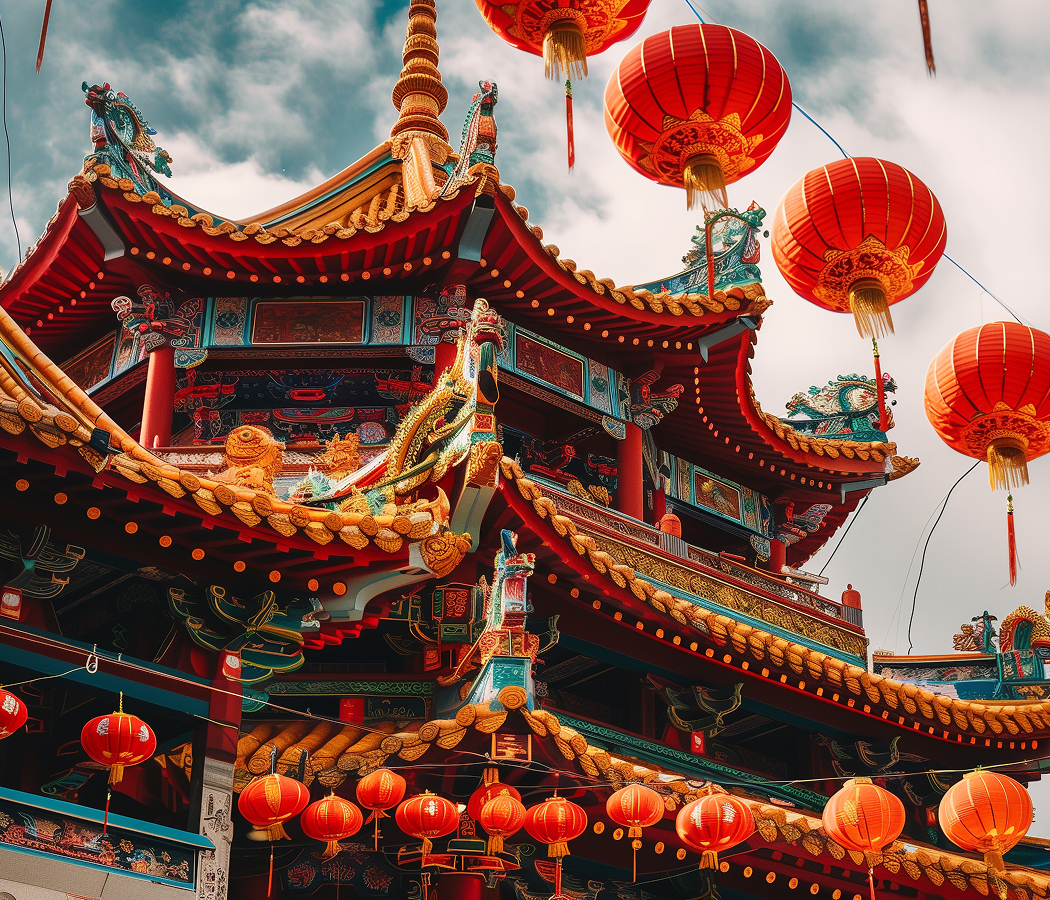
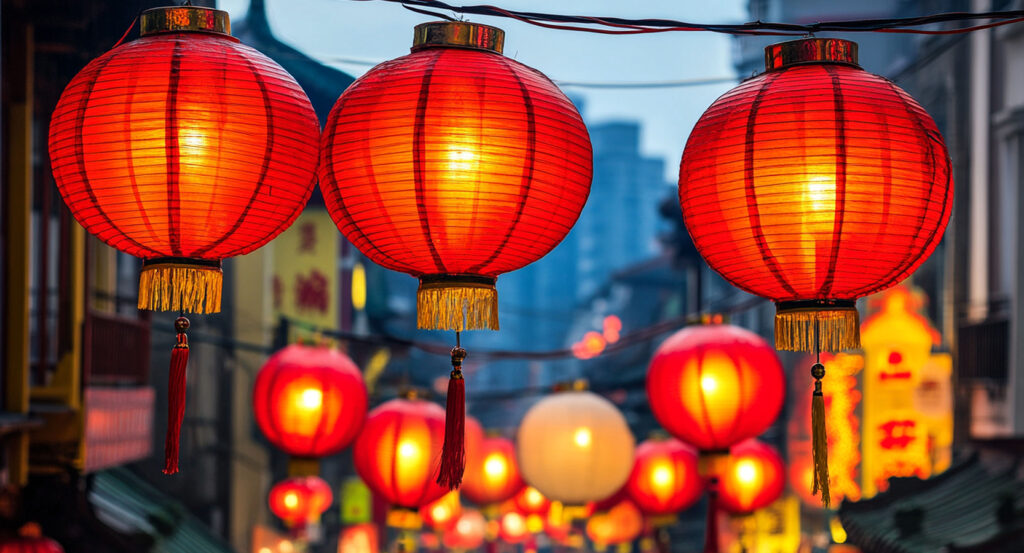
Beyond its extraordinary commercial activity, Sampheng Market remains one of Bangkok's finest surviving examples of a living historic marketplace where centuries-old trading traditions continue shaping everyday urban life. The market's dense network of pedestrian lanes encourages exploration on foot while revealing architectural details, family businesses, traditional craftsmanship, and culinary specialties that have changed remarkably little despite Bangkok's rapid modernization. Throughout major festivals including Chinese New Year, the district becomes one of Southeast Asia's most spectacular celebrations of Chinese culture, reinforcing Sampheng's enduring role as the cultural and economic heart of Yaowarat. Mercantile history, immigrant heritage, traditional commerce, urban density, and cultural continuity combine to create one of Asia's most influential historic marketplaces.
How to fold Sampheng Market into your trip.
Sampheng Market works as the commercial centerpiece of an exploration through Bangkok's Chinatown.
Begin at Wat Mangkon Kamalawat, where Bangkok's largest Chinese Buddhist temple introduces the remarkable cultural landscape surrounding Sampheng Market. Continue to Yaowarat Road, whose renowned street food and historic shophouses complement the market's commercial energy. Conclude at the Odeon Circle Chinatown Gate, where the symbolic entrance to Chinatown provides a memorable finale celebrating the remarkable relationship between immigration, commerce, and cultural heritage that defines Yaowarat. The progression moves naturally from spiritual heritage to historic marketplace before concluding through one of Bangkok's defining landmarks, revealing why Sampheng Market remains one of Thailand's essential cultural experiences.
Where your story begins.
Foresyte Travel reveals places that feel extraordinary long before you arrive.
Experience premium editorial crafted for luxury travelers.