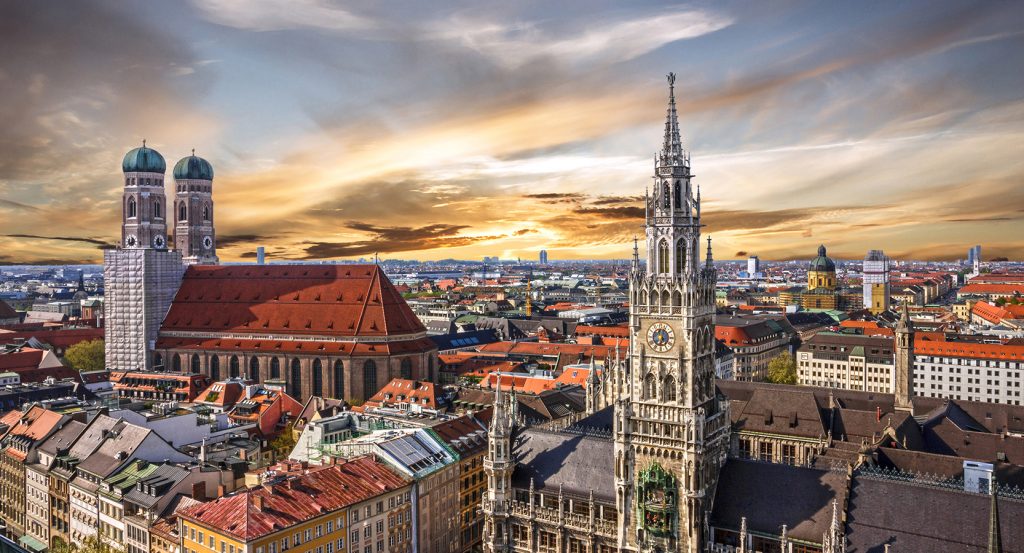
Why you should experience Schwanthalerhöhe in Munich, Germany.
Schwanthalerhöhe is among the city's most compelling transformation stories, where industrial heritage, cultural diversity, and creative energy converge within a compact district that has reinvented itself while preserving its working-class roots.
Historic factory buildings, neighborhood beer halls, multicultural restaurants, creative workspaces, local markets, residential streets, and cultural venues create a neighborhood that balances tradition with contemporary urban life. Developed rapidly during Munich's industrial expansion in the nineteenth century, the district became home to factories, railway infrastructure, and generations of workers who helped fuel the city's economic growth. Over time, changing industries and new waves of residents reshaped the area into a spirited and diverse community. Today, visitors encounter a neighborhood that feels authentic, evolving, and distinctly local. To the west, Sendling-Westpark's expansive green spaces provide a natural contrast to the dense urban fabric and industrial legacy that continue to define much of Schwanthalerhöhe. Every renovated warehouse, neighborhood square, and side street reflects a district shaped by resilience, creativity, and reinvention.
What you should know about Schwanthalerhöhe.
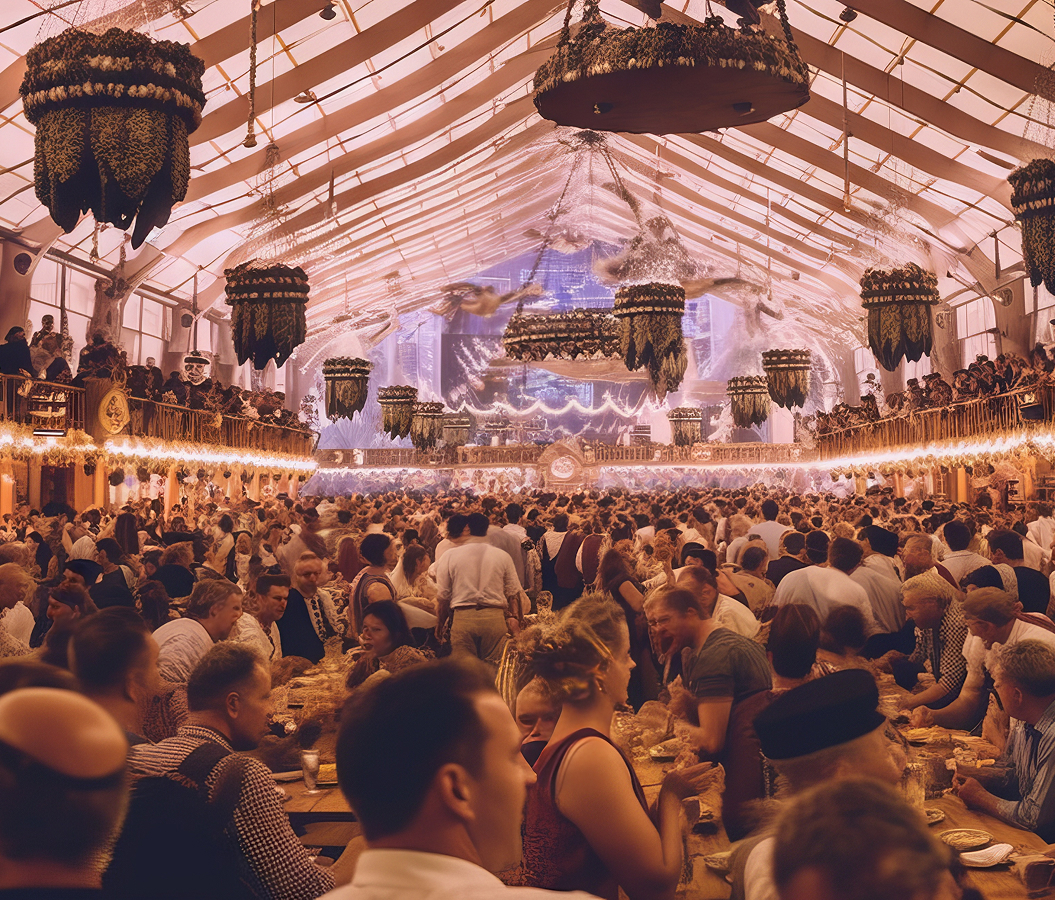
Schwanthalerhöhe is best known for being home to the Theresienwiese, the massive festival grounds that host Oktoberfest, the world's largest folk festival attracting millions of visitors from around the globe each year.
The presence of Theresienwiese has shaped the district's character for generations, transforming the neighborhood into the focal point of one of Bavaria's most celebrated traditions. Since the first Oktoberfest was held in 1810, the festival grounds have welcomed visitors for beer tents, cultural celebrations, amusement rides, and community gatherings that showcase Bavarian heritage on an international stage. Beyond Oktoberfest, the expansive site hosts public events, exhibitions, and festivals throughout the year, reinforcing its importance within Munich's civic life. The grounds remain one of the city's most recognizable landmarks and a major driver of international tourism. Few neighborhoods anywhere in the world possess such a direct connection to a globally renowned cultural event.
How to fold Schwanthalerhöhe into your trip.
Schwanthalerhöhe works as an exploration of industrial heritage, local culture, and the landmarks that reveal one of the city's most dynamic urban districts.
Begin at Theresienwiese, where the neighborhood's defining relationship with Oktoberfest, public celebrations, and Bavarian tradition immediately comes into focus. Continue toward the Verkehrszentrum of the Deutsches Museum, whose historic exhibition halls and transportation collections reveal the industrial foundations that helped shape the district's development. From there, make your way to Bavariapark, where green spaces, public art, and views of the iconic Bavaria statue provide a broader perspective on the neighborhood's blend of history and modern community life. Along the route, you'll encounter historic breweries, renovated industrial buildings, multicultural eateries, local cafés, cultural venues, public gathering spaces, and neighborhood landmarks that showcase the district's remarkable character. Together, these destinations reveal how Schwanthalerhöhe evolved from an industrial powerhouse into one of the city's most animated and culturally significant neighborhoods.
Where your story begins.
Foresyte Travel reveals places that feel extraordinary long before you arrive.
Experience premium editorial crafted for luxury travelers.