Why you should experience the Spanish Riding School Museum at the Hofburg Palace in Vienna.
The Spanish Riding School Museum is where Vienna's most refined tradition, the art of classical horsemanship, steps out of the arena and into history.
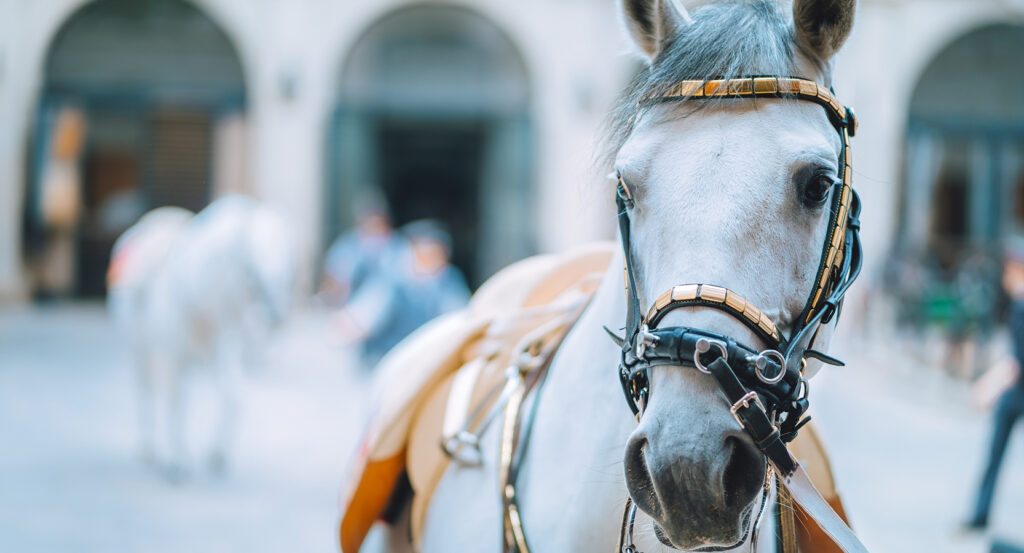
Tucked within the Hofburg Palace complex, this museum offers a rare and reverent look into the soul of the Spanish Riding School: four centuries of devotion to harmony between horse and rider. Walking through its vaulted halls feels like moving through time, saddles and bridles polished to perfection, portraits of Lipizzan stallions with regal poise, and archival footage that brings past performances to life. The light glints off bits of silver tack and embroidered uniforms once worn before emperors. Every object tells a story, not of spectacle, but of discipline and grace elevated to art. It's a quiet counterpoint to the drama of the Winter Riding Hall, where precision becomes performance; here, you see the craft behind the curtain, the patient evolution of an institution that has trained generations of riders in near-monastic dedication. The museum captures that paradox Vienna does so well, grandeur made intimate, mastery made human.
What you didn't know about the Spanish Riding School Museum.
The Spanish Riding School Museum was founded to preserve more than artifacts, it was created to safeguard an unbroken living heritage.
Its collection spans the full arc of the School's history, from its founding under Emperor Maximilian II in 1565 to its modern-day status as a UNESCO-recognized intangible cultural treasure. One gallery is devoted entirely to the Lipizzaner bloodline, tracing the horses' ancestry back to the original stud farm in Lipica, established in 1580. Pedigree charts and rare documents reveal how meticulously the breed has been maintained, a lineage that survived wars, relocations, and even near-extinction. Another section displays the ceremonial uniforms of the riders, cut in the same style as those from the 18th century: dark brown coats, knee-high boots, and tricorn hats, symbols of discipline and continuity. Among the museum's highlights is a series of hand-painted training manuals and engravings that illustrate the Haute École movements, levades, courbettes, and caprioles, techniques passed unchanged from rider to rider across generations. Few visitors realize that the museum also houses original architectural plans for the Winter Riding Hall and early sketches of the Summer Arena, offering insight into how architecture and art were designed to serve the same philosophy: harmony in motion. Interactive displays allow you to watch behind-the-scenes footage of the stallions' daily routines, revealing the quiet intimacy of grooming, feeding, and groundwork. Together, these elements form not just an exhibition, but a living archive, a testament to Vienna's rare ability to preserve not only objects but ideals.
How to fold the Spanish Riding School Museum into your trip.
To experience the Spanish Riding School Museum at its fullest, approach it as both scholar and admirer, part history lesson, part meditation on mastery.
Plan your visit in tandem with a performance or morning exercise in the Winter Riding Hall, then walk through the museum immediately afterward to deepen your understanding of what you've just witnessed. The contrast is striking: in the hall, movement; in the museum, stillness, yet both hum with the same quiet reverence. Allow 60, 90 minutes to explore its exhibits; take your time reading the placards and listening to the archived recordings of riders describing their bond with the stallions. If possible, join a guided tour, the docents often share anecdotes about famous Lipizzaners and the lineage of riders who trained them, adding a human touch to the institution's grandeur. For a full-circle experience, pair your visit with a trip to the Piber Stud Farm in Styria, where the young Lipizzaners begin their training before returning to Vienna. When you step back into the Hofburg courtyards, you'll realize the museum has given you something rare: context, a sense that behind every elegant movement of the white stallions lies centuries of craftsmanship, care, and conviction. The Spanish Riding School Museum isn't just a record of the past; it's a celebration of an unbroken conversation between art and animal, Vienna and eternity.
Where your story begins.
Start your planning journey with Foresyte Travel.
Experience immersive stories crafted for luxury travelers.