
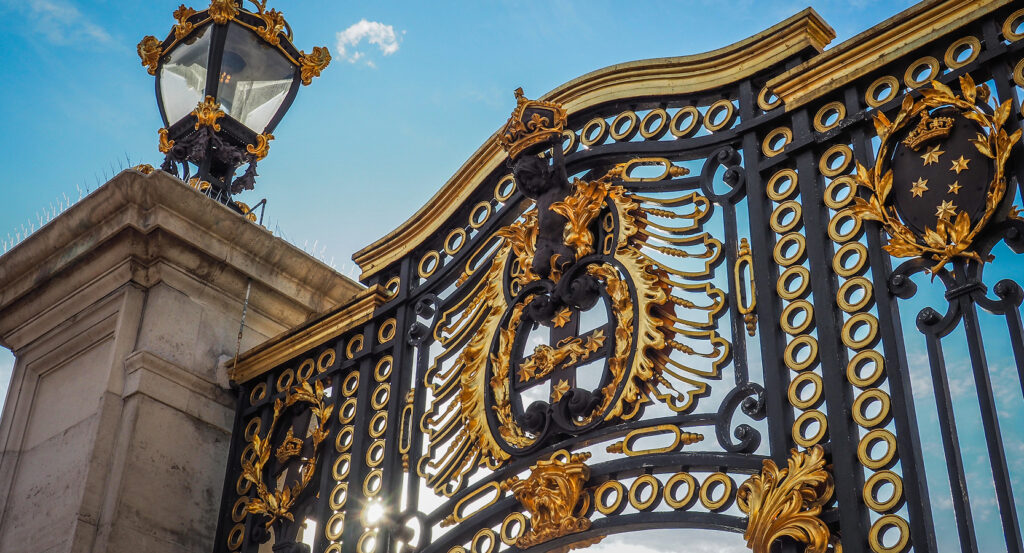
Why you should experience The Royal Mews, Buckingham Palace in London, England.
The Royal Mews Buckingham Palace London is the monarchy's most graceful secret, a working stable and carriage house where tradition still breathes through craftsmanship.
Behind its unassuming gates lies a world of gleaming harnesses, polished wood, and the soft rustle of hooves on cobblestone. It's here that the carriages and horses used in royal ceremonies are cared for with timeless precision. Step inside and the atmosphere feels almost cinematic: sunlight filtering through the rafters, the scent of leather and hay mingling with polish and pride. Unlike a museum frozen in time, the Mews is alive, grooms tending to Windsor Greys and Cleveland Bays, carriages prepared for the next procession. The Royal Mews doesn't display history; it preserves it, with elegance as its guiding principle.
What you should know about The Royal Mews, Buckingham Palace.
The Royal Mews dates back to the 14th century, originally housing falcons (mews meaning bird enclosures) before evolving into the stables and carriage depot of the royal household.
The present complex at Buckingham Palace was designed in the 1820s by architect John Nash, the same visionary who shaped Regent Street and much of London's royal aesthetic. Within its red-brick courtyards rest treasures of British ceremony: the gilded Gold State Coach, used since 1762 for coronations; the glass-paneled Diamond Jubilee State Coach; and an array of lesser-known but equally exquisite vehicles used for state visits and parades. The horses themselves are symbols of continuity, descendants of lines bred for temperament and grace, trained to move in harmony with music and command. What many visitors miss is how the Mews functions as both workshop and school, saddlers, harness makers, and carriage restorers all working on-site, ensuring these traditions endure not as relics but as living crafts.
How to fold The Royal Mews, Buckingham Palace into your trip.
Visit in late morning when the courtyards are quiet and sunlight spills across the cobbles.
Start with the carriage gallery, where you can walk among history's most dazzling vehicles, gold leaf glinting, velvet interiors whispering of coronations and weddings past. Step outside to see the horses being exercised or groomed, their polished coats reflecting the same discipline that defines royal life. Don't rush, this is a place that rewards observation. Speak with the guides, many of whom have decades of experience with the royal stables, and linger at the workshops where restoration continues by hand. End your visit at the small gift shop, where even the souvenirs reflect refinement. The Royal Mews doesn't just preserve elegant, it captures elegance, a sanctuary of motion, mastery, and monarchy that keeps Britain's royal traditions very much alive.
Where your story begins.
Foresyte Travel reveals places that feel extraordinary long before you arrive.
Experience premium editorial crafted for luxury travelers.














































































































