Why you should experience Vienna City Centre in Vienna, Austria.
Vienna City Centre is an imperial showcase where dynastic power, artistic achievement, and architectural grandeur converge within one of Europe's most celebrated historic cores.
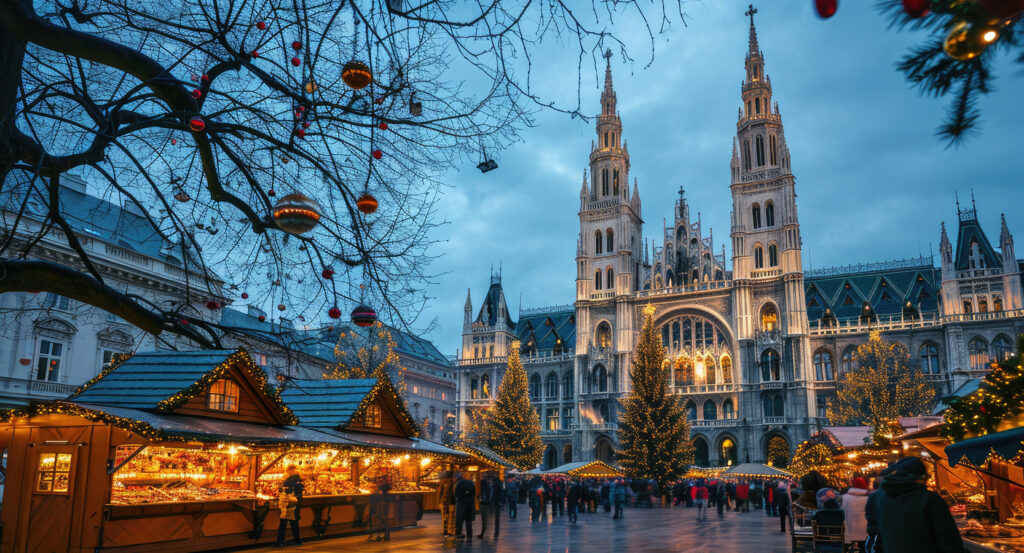
Monumental palaces, grand boulevards, world-renowned museums, historic cafés, elegant squares, cultural institutions, and centuries-old churches create a district that reflects the extraordinary influence of the Habsburg Empire. For centuries, the area served as the political, cultural, and administrative heart of one of Europe's most powerful dynasties, shaping events that influenced the continent far beyond Austria's borders. Emperors, composers, scientists, diplomats, and intellectuals gathered within its walls, helping establish Vienna as a center of music, learning, and statecraft. The immense wealth and prestige of the imperial court financed some of Europe's finest architectural and artistic achievements, many of which remain intact today. Visitors encounter a destination that feels elegant, historic, and remarkably complete. The result is a district defined by prestige, culture, and historical significance. To the north, Innere Stadt extends naturally from Vienna City Centre through a network of imperial landmarks, cultural institutions, and historic streets, reinforcing the area's position at the heart of Vienna.
What you should know about Vienna City Centre.
Vienna City Centre is best known for being home to the Hofburg Palace, which served as the principal seat of Habsburg power for more than 600 years.
Originally established during the medieval period, the palace expanded over successive centuries into a sprawling imperial complex that reflected the growing influence of the Habsburg dynasty. Emperors governed vast territories from its chambers, overseeing a realm that at various times stretched across much of Central Europe. The palace became the center of political decision-making, diplomatic activity, and court life within one of Europe's most influential empires. Its continual expansion produced an extraordinary collection of architectural styles that document the evolution of imperial Vienna itself. Today, the complex houses museums, cultural institutions, and the offices of Austria's president, ensuring its continued role in national life. Few city centers in Europe possess a landmark so closely associated with centuries of continental power and governance.
How to fold Vienna City Centre into your trip.
Vienna City Centre works as an exploration of the imperial landmarks, cultural institutions, and historic streets that define one of Europe's greatest capitals.
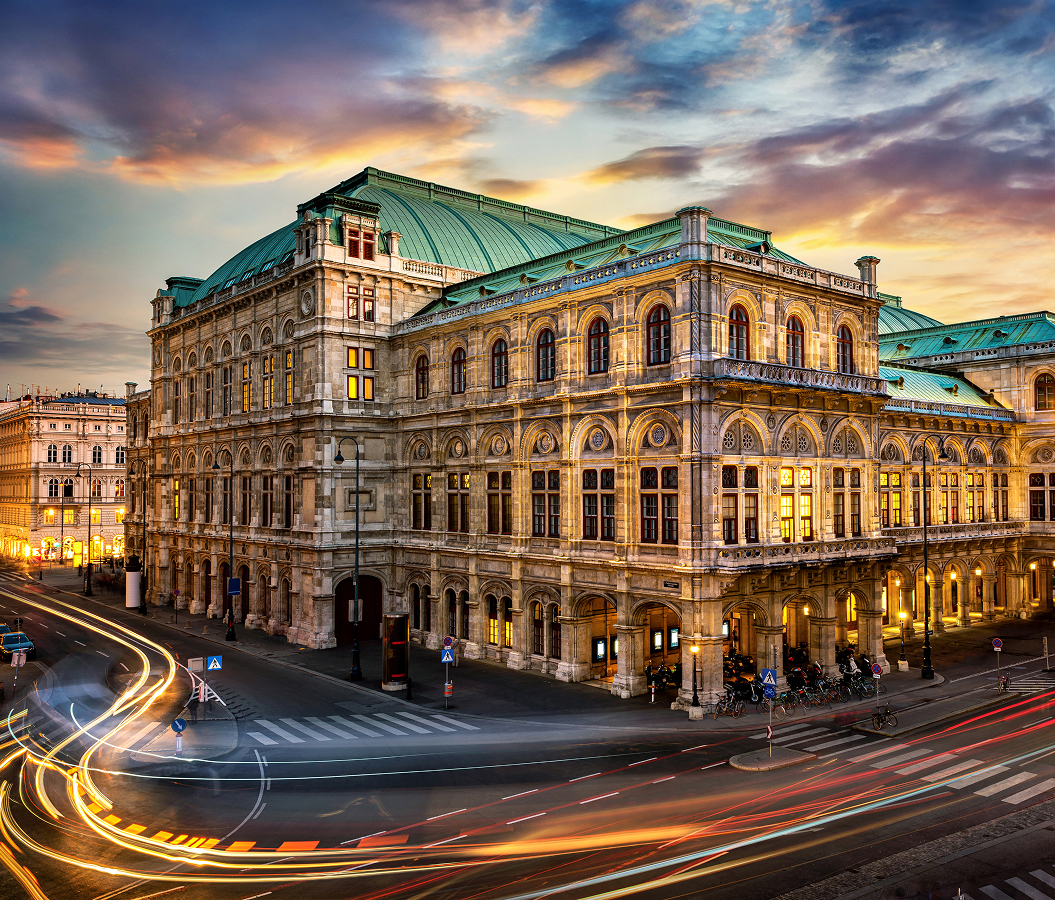
Begin at the Hofburg Palace, where the area's defining connection to monarchy, governance, and imperial ambition immediately comes into focus. Continue toward St. Stephen's Cathedral, whose soaring Gothic architecture reveals the religious and cultural foundations that shaped Vienna for centuries. From there, make your way to the Vienna State Opera, where world-class performances and architectural elegance provide a broader perspective on the artistic traditions that continue to define Vienna City Centre today. Along the route, you'll encounter historic cafés, grand plazas, museum collections, cultural landmarks, elegant arcades, architectural masterpieces, and energetic public spaces that showcase the area's remarkable depth. The progression moves naturally from imperial palace to religious monument to cultural institution, revealing the forces that transformed Vienna City Centre into one of the most influential urban centers in European history. Vienna City Centre remains one of the world's most rewarding destinations, preserving a remarkable balance between political significance, artistic excellence, and architectural grandeur.
Where your story begins.
Foresyte Travel reveals places that feel extraordinary long before you arrive.
Experience premium editorial crafted for luxury travelers.