Why you should experience Village Hotel Albert Court in Singapore.
Village Hotel Albert Court is where Peranakan charm meets warm, nostalgic hospitality, where heritage shophouses blend seamlessly with modern comforts, and where stepping inside feels like entering a colorful, culture-rich sanctuary tucked between two of Singapore's most expressive neighborhoods, Little India and Bugis.
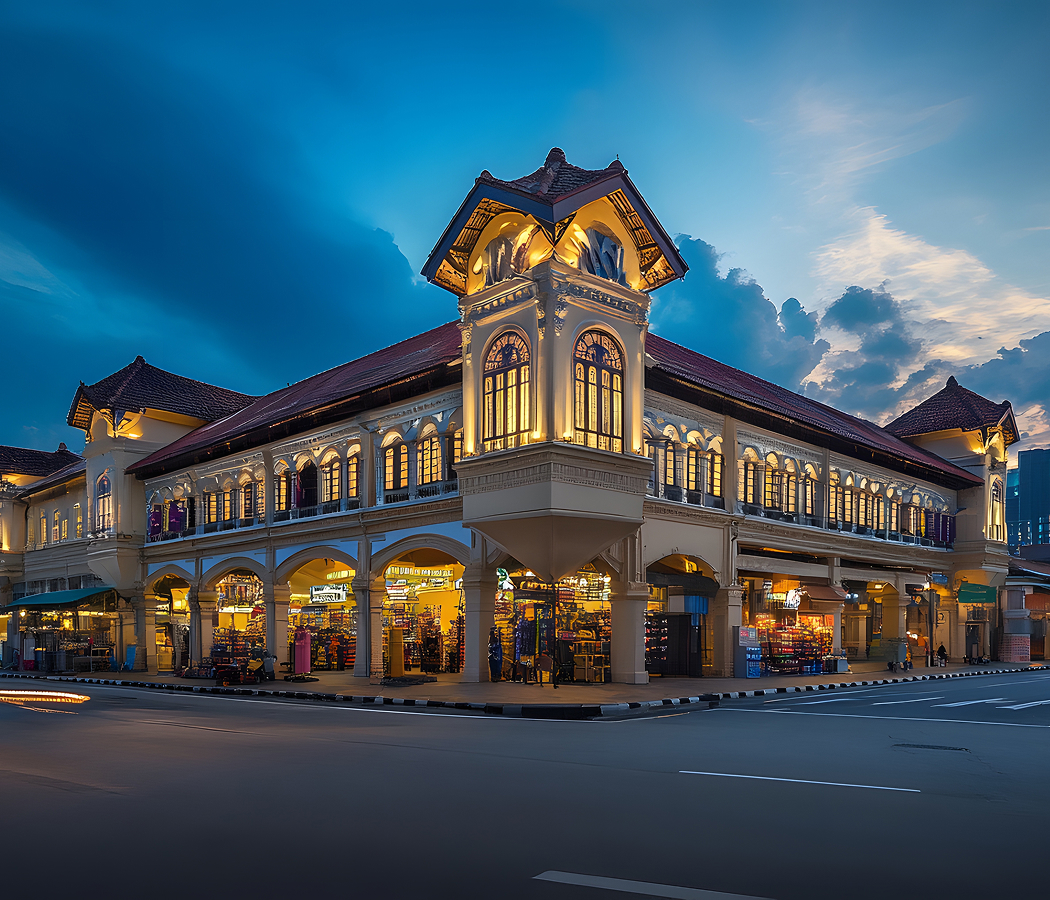
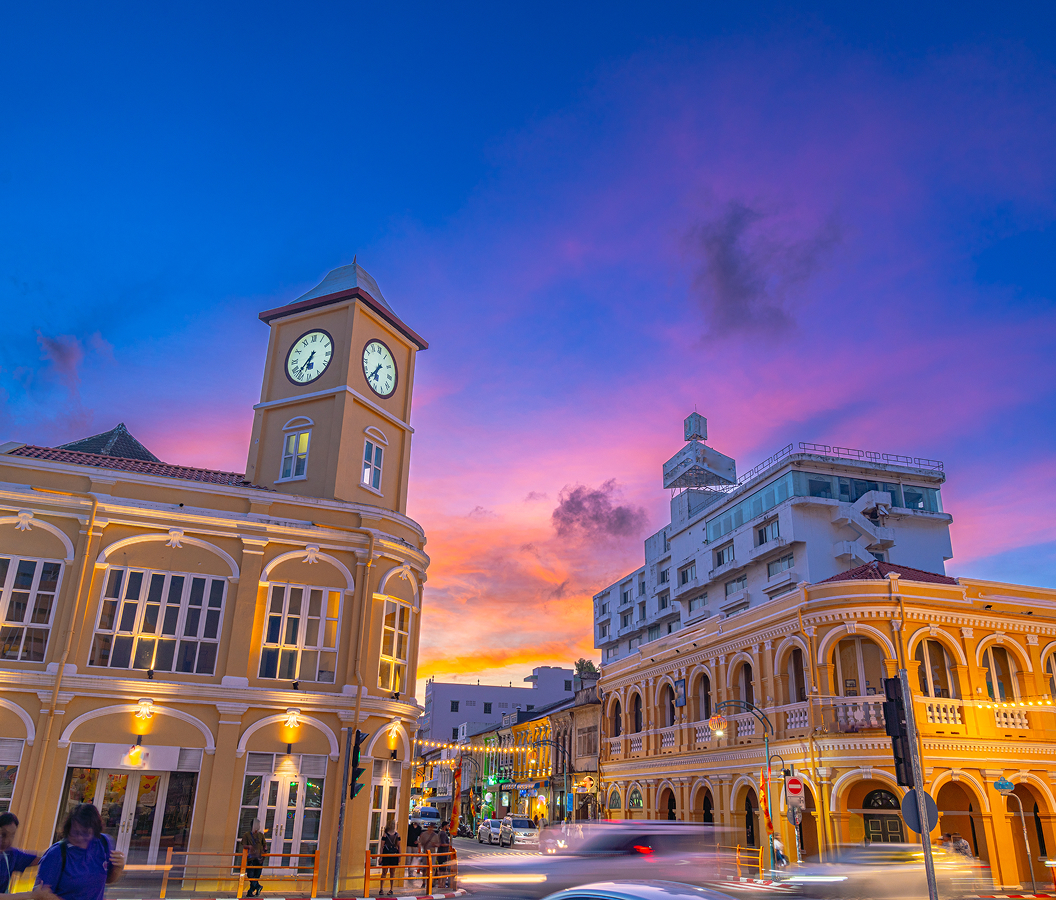
Set around a beautifully restored cluster of 19th-century Straits Chinese shophouses, the hotel welcomes you with ornate facades, terracotta roofs, shuttered windows, carved details, and an architectural rhythm that immediately transports you into a different era. Step into the lobby and everything shifts into cozy heritage elegance: rich woods, warm lighting, intricate tiles, Peranakan-inspired motifs, and a friendly, lived-in charm that feels personal and inviting. Rooms and suites continue this intimate, culturally infused aesthetic. Expect plush bedding, warm earth tones, classic furnishings, curated textures, and heritage accents woven subtly into the decor. Windows open to views of traditional shophouse courtyards, quiet walkways, or the lively streets surrounding the hotel. Bathrooms are bright, functional, and comfortable, walk-in showers or bathtubs, quality tiling, practical amenities, and a refreshing sense of simplicity. Suites and heritage rooms elevate the experience with more space, deeper color palettes, restored architectural details, and layouts that honor the building's original shophouse structure. What makes Village Hotel Albert Court special is its atmosphere of warmth and authenticity. Instead of towering modern interiors, you get cozy corridors, intimate courtyards, breezy verandas, and communal spaces framed by preserved heritage details. The outdoor hot tubs and small fitness room support relaxation and movement, while the courtyard becomes a charming spot to unwind with a drink after a day of exploring. Dining revolves around the surrounding neighborhoods. While the hotel offers breakfast and simple dining options, the real richness lies just outside its doors, stretching across Albert Street, Selegie Road, Little India, Rochor, and Bugis. You'll find traditional kopitiams, curry houses, Peranakan eateries, roti prata shops, vegan cafés, modern brunch spots, and hawker stalls all within minutes. Service is warm, sincere, and grounded in village-style hospitality. Staff remember guests, offer personalized tips, and provide a sense of familiarity that makes longer stays particularly comforting. The location is exceptional. Village Hotel Albert Court sits at the crossroads of Singapore's cultural mosaic, steps from Little India's temples, Bugis' shopping corridors, Kampong Gelam's artistic enclaves, and Bras Basah's museums and creative institutions. Village Hotel Albert Court is charming, cultural, welcoming, nostalgic, authentic, and ideal for travelers who want a heritage-rich stay with a warm, local spirit, perfectly positioned between some of the city's most energetic neighborhoods.
What you should know about Village Hotel Albert Court.
Village Hotel Albert Court occupies land that reflects Singapore's early settlement patterns, Peranakan heritage, immigrant communities, and the transformation of Albert Street into a cultural crossroads for more than a century, making its shophouse foundations historically significant and deeply rooted in Singapore's rich cultural fabric.
In the early 19th century, the area around Albert Street, Selegie Road, and Rochor was part of a transitional zone between early Chinese kampongs and Malay settlements. The land beneath the hotel once supported wooden houses, small markets, pottery sheds, and early clan-based dwellings that served Chinese laborers working in nearby plantations and brickworks. By the mid-1800s, the district evolved into a thriving Straits Chinese (Peranakan) enclave. Wealthier Peranakan families built shophouses along Albert Street, incorporating distinctive architectural features, colored tiles, shuttered windows, carved timber beams, interior courtyards, and decorative plasterwork. The shophouses that now form the backbone of Village Hotel Albert Court were part of this evolution. Trade and culture flourished here. The ground floors of these very shophouses once housed provision shops, traditional Chinese medicine halls, coffee sellers, tailors, carpentry studios, and spice merchants. The upper floors served as family residences, often home to multiple generations. A lesser-known detail: Albert Street was once lined with early Chinese clan houses and small temples, many of which served as social centers for Straits Chinese families and new arrivals from Amoy, Guangdong, and Hainan. The area also saw South Indian and Malay influences, gradually transforming the district into a multicultural mosaic long before Singapore embraced its modern identity. In the early 20th century, the arrival of electric trams along nearby Bukit Timah and Serangoon Road corridors turned the area into a thriving hub of merchants, students, and artisans. The land around the hotel became a popular gathering zone for street performers, mobile vendors, early photographers, and letter writers. After World War II, Albert Street became known for its energetic market lanes, goldsmith shops, cinema crowds, and Baba-Nyonya food stalls. Over time, modernization reshaped much of Bugis and Little India, but the Albert Court shophouses were earmarked for conservation due to their exceptional architectural detail and cultural importance. During restoration, engineers uncovered original tiled walkways, timber joists, clay roof tiles, and brick foundations dating back more than a century. Early drainage lines and structural wall formations influenced how the modern hotel was built within the preserved shophouse footprint. Today, Village Hotel Albert Court stands on land that reflects Singapore's layered heritage, Peranakan culture, immigrant communities, trade history, and architectural evolution, all preserved within the bones of beautifully conserved shophouses.
How to fold Village Hotel Albert Court into your trip.
Village Hotel Albert Court becomes the warm, heritage-steeped heart of your Singapore journey, where mornings begin in shophouse serenity, afternoons unfold through cultural exploration, and evenings settle into energetic dining and neighborhood charm.
Start the morning with breakfast at the hotel or at a nearby kopitiam, think kaya toast, soft eggs, kopi, or local pastries. After breakfast, walk into Little India. Visit Sri Veeramakaliamman Temple, explore Tekka Market, browse colorful textile shops, and enjoy the physical richness that defines the district. Late morning, wander toward Bugis for shopping, cafés, and urban culture. Explore Bugis Junction, the indie boutiques around Haji Lane, or visit Kampong Gelam's Arab Street for Middle Eastern textiles, fragrances, and eats. Return to the hotel for a midday rest. Relax in the shady courtyard, enjoy the whirlpool tubs, or unwind in your warm heritage room. In the afternoon, explore Bras Basah's museums, National Museum, Singapore Art Museum, Peranakan Museum, or walk up to Fort Canning Park for greenery, trails, and historic sites. As evening arrives, embrace the multicultural dining scene surrounding the hotel. Enjoy South Indian meals on banana leaves, Peranakan cuisine, Chinese zi char dishes, modern fusion eateries, Japanese ramen, Korean BBQ, or dessert cafés along nearby streets. After dinner, take a nighttime stroll through Little India's brightly lit corridors or the atmospheric laneways of Bugis and Kampong Gelam. Return to Village Hotel Albert Court for a peaceful wind-down, soft lighting, quiet architecture, and the comforting charm of preserved shophouse heritage wrapping up your day.
Where your story begins.
Foresyte Travel reveals places that feel extraordinary long before you arrive.
Experience premium editorial crafted for luxury travelers.