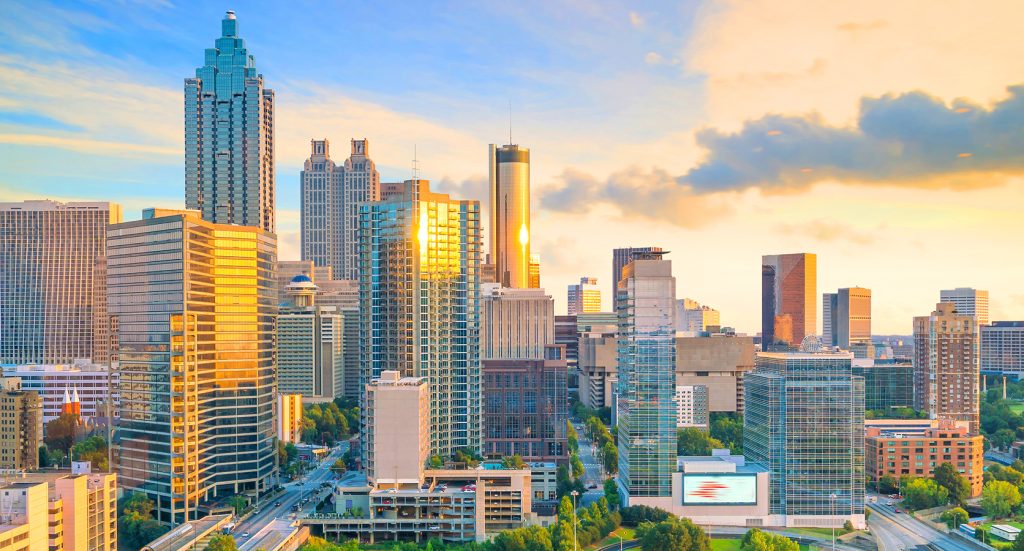
Why you should experience Walton Street in Atlanta, Georgia.
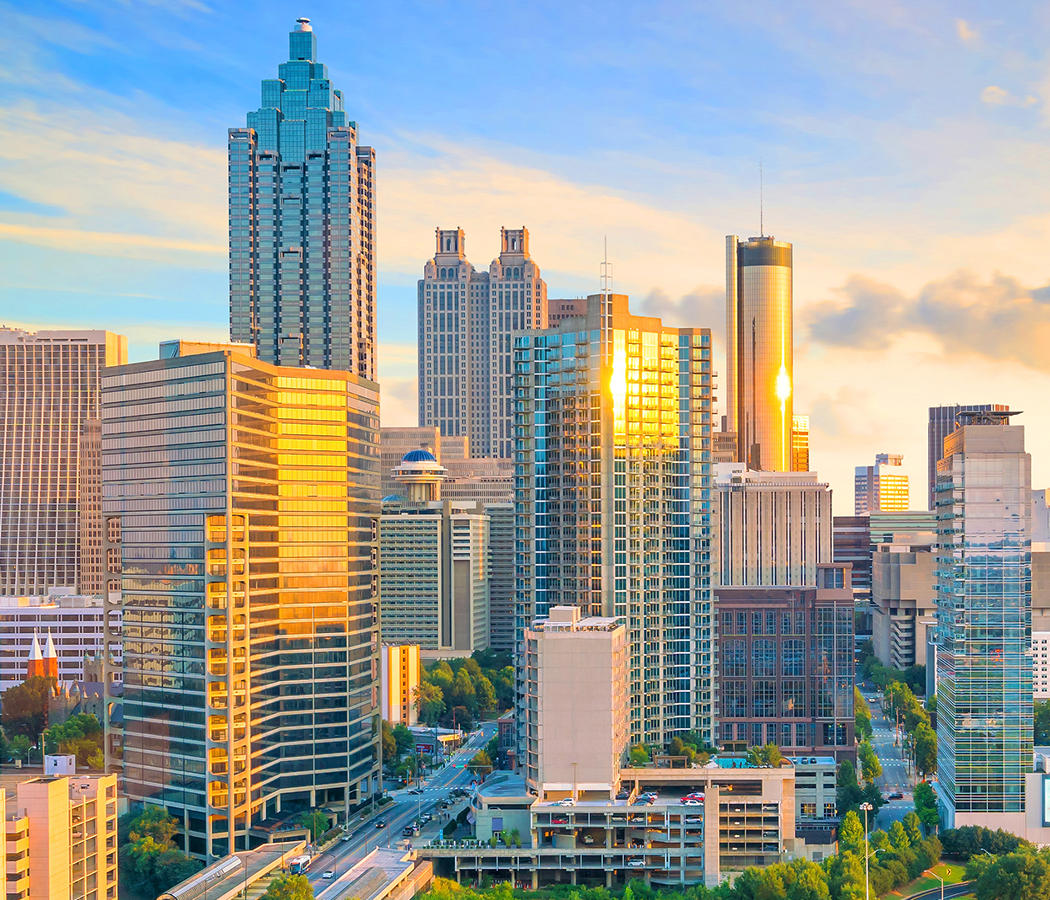
Walton Street is a storied corridor where Downtown's commercial legacy, civic ambition, architectural heritage, and entrepreneurial spirit converge along one of the city's foundational streets.
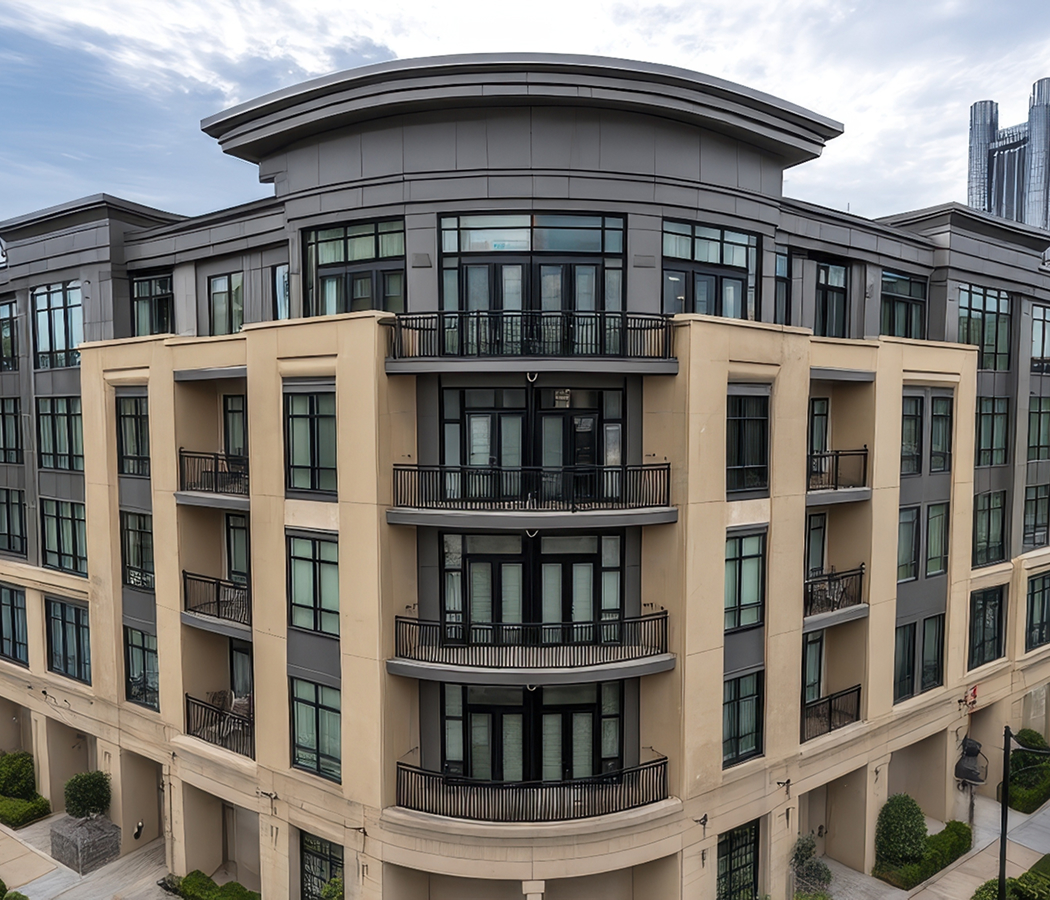
Running through Downtown between Fairlie-Poplar and Centennial Hill, the corridor connects historic commercial blocks, civic institutions, hospitality landmarks, and early business districts that collectively reflect Atlanta's rise from a nineteenth-century railroad terminus into the economic capital of the Southeast. Successive blocks reveal how rebuilding after the Civil War, commercial expansion, and twentieth-century reinvestment established a streetscape that continues anchoring Atlanta's historic urban core. Masonry storefronts, early high-rise buildings, granite detailing, and preserved commercial façades document generations of architectural evolution. The result is an experience defined by continuity, character, and one of Downtown's most historically significant corridors.
What you should know about Walton Street.
Walton Street is best known for occupying part of Atlanta's original commercial grid established during the city's rapid nineteenth-century expansion following its incorporation in 1847, when businesses clustered around the railroads that earned the settlement its original name, Terminus. Reconstruction following the 1864 Burning of Atlanta accelerated redevelopment throughout the surrounding district as merchants, banks, wholesalers, and insurance companies rebuilt using brick and stone rather than the predominantly wood construction that had characterized much of the earlier city. By the late nineteenth and early twentieth centuries, nearby commercial blocks introduced Romanesque Revival, Chicago School, Beaux-Arts, and Classical Revival architecture featuring load-bearing masonry, steel framing, terra-cotta ornamentation, decorative cornices, and expansive display windows that reflected Atlanta's emergence as the Southeast's principal commercial center. The corridor developed alongside the wholesale and financial district that concentrated between Marietta Street, Peachtree Street, and Broad Street, reinforcing Walton Street's longstanding role within the city's commercial heart. Collectively, these layers of railroad expansion, postwar reconstruction, commercial architecture, and business growth established Walton Street as one of Downtown's defining historic corridors.
Within the surrounding Fairlie-Poplar Historic District, listed on the National Register of Historic Places in 1986, an exceptional concentration of late nineteenth- and early twentieth-century commercial buildings preserves the architectural setting that has long defined Walton Street. Architects including G. Lloyd Preacher, A. Ten Eyck Brown, and Philip Shutze contributed influential commissions nearby that helped establish Downtown as one of the South's most architecturally ambitious business districts during the early twentieth century. Original brick masonry, granite bases, cast-iron storefront elements, ornamental terra-cotta, and pressed-metal cornices continue illustrating the craftsmanship that distinguished the corridor's principal era of commercial development. Ultimately this remarkable concentration of preserved architecture, celebrated designers, and enduring commercial fabric demonstrates how Walton Street remains inseparable from the evolution of Atlanta's historic downtown.
How to fold Walton Street into your trip.
Walton Street works as an exploration of Downtown's commercial heritage, architecture, and urban history.
Begin at The Healey Building, where Atlanta's finest surviving Beaux-Arts skyscraper introduces the city's early twentieth-century architectural ambition before naturally leading into the surrounding historic commercial district. Continue to Fairlie-Poplar Historic District, where beautifully preserved storefronts, warehouses, and early office buildings deepen appreciation for the streetscape that emerged during Atlanta's commercial ascent while naturally extending the walking experience. Conclude at Woodruff Park, where decades of civic gatherings, public art, and daily urban life provide the historical payoff by illustrating how Downtown's commercial center evolved into the city's enduring public heart. Together, the sequence reveals how architecture, commerce, and civic life collectively shaped the historic character surrounding Walton Street.
Where your story begins.
Foresyte Travel reveals places that feel extraordinary long before you arrive.
Experience premium editorial crafted for luxury travelers.