Why you should experience Zürich HB in Zürich, Switzerland.
Zürich Hauptbahnhof, or Zürich HB, is a cathedral of movement, culture, and design at the very heart of the nation's precision and soul.
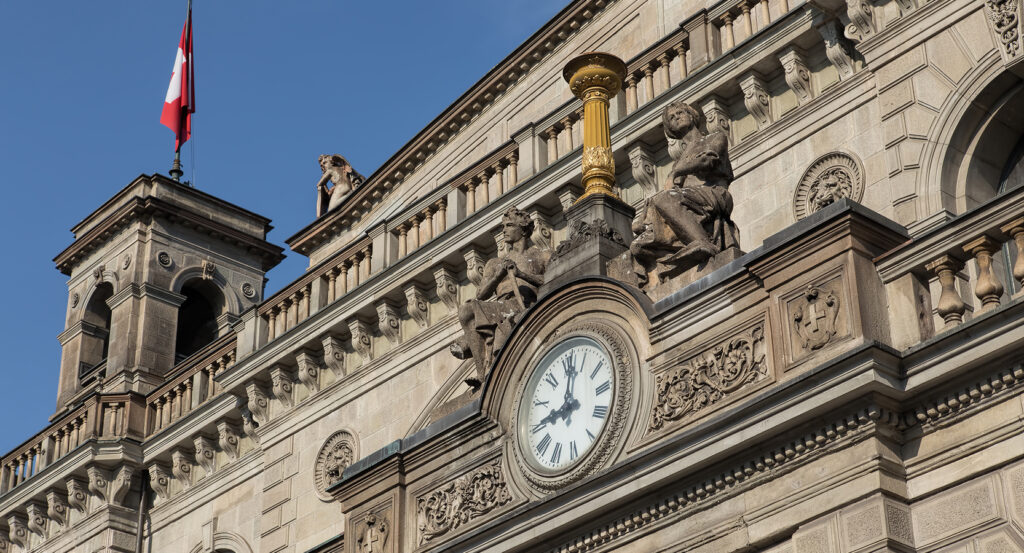
Known simply as Zürich HB, the station has been the city's primary gateway since 1847, when it first opened as the terminus of Switzerland's inaugural railway line, the Spanisch-Brötli-Bahn. Today, it stands as one of Europe's most efficient and architecturally striking transport hubs, handling over 3,000 trains and nearly half a million passengers each day. Yet its grandeur transcends functionality. The neo-Renaissance façade, designed by architect Jakob Friedrich Wanner, greets travelers with a stately confidence that feels both civic and human. Corinthian columns, high archways, and the bronze statue of Alfred Escher, the visionary who championed the Swiss railway system, together symbolize progress rooted in craftsmanship. Step inside, and the scale is staggering: a vast concourse of glass, iron, and light, where vaulted ceilings soar above the rhythmic flow of trains, travelers, and echoes. Despite its perpetual motion, the station feels calm, every detail designed for harmony and clarity. Sunlight filters through the iron-framed roof, reflecting off polished stone floors, while the hum of announcements merges with the clink of coffee cups from nearby cafés. Zürich HB is more than a station, it's the living circulatory system of Switzerland, connecting Alpine villages, major cities, and neighboring countries with an elegance that only Swiss engineering could achieve.
What you should know about Zürich HB.
Behind its seamless efficiency lies nearly two centuries of reinvention, resilience, and architectural ambition that mirror Switzerland's evolution itself.
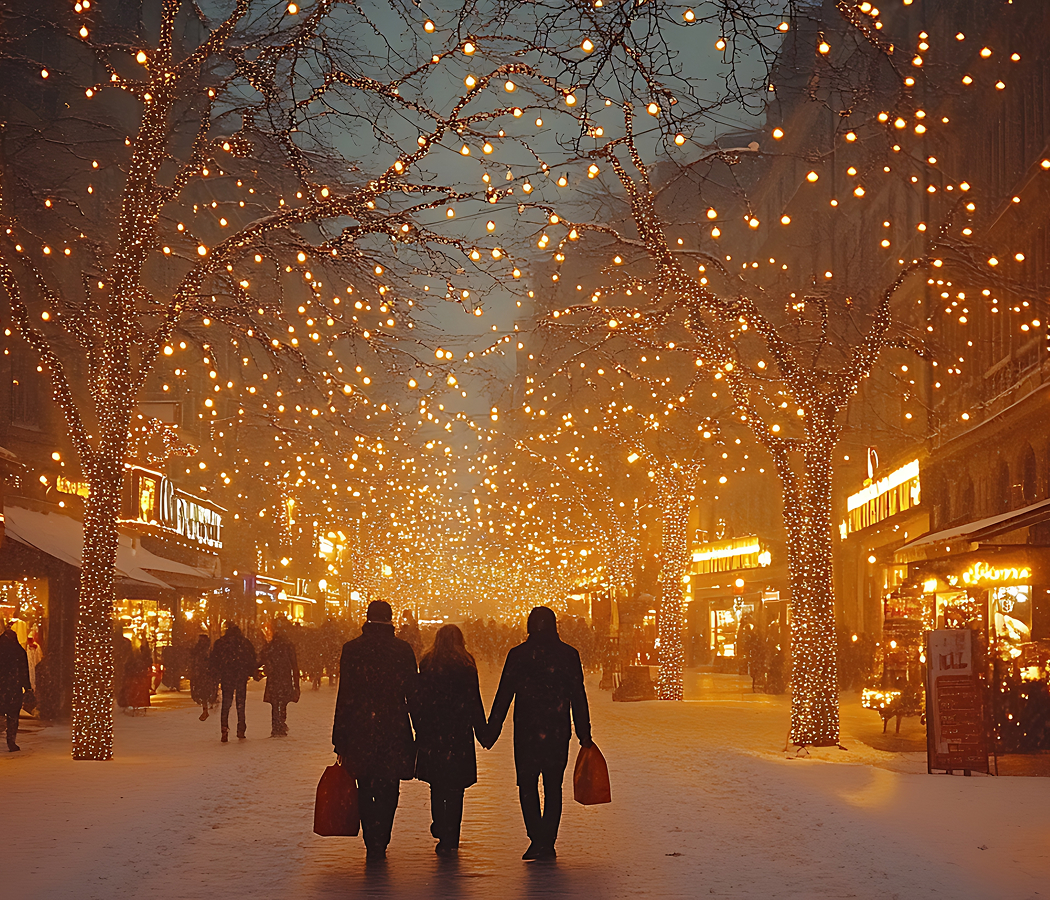
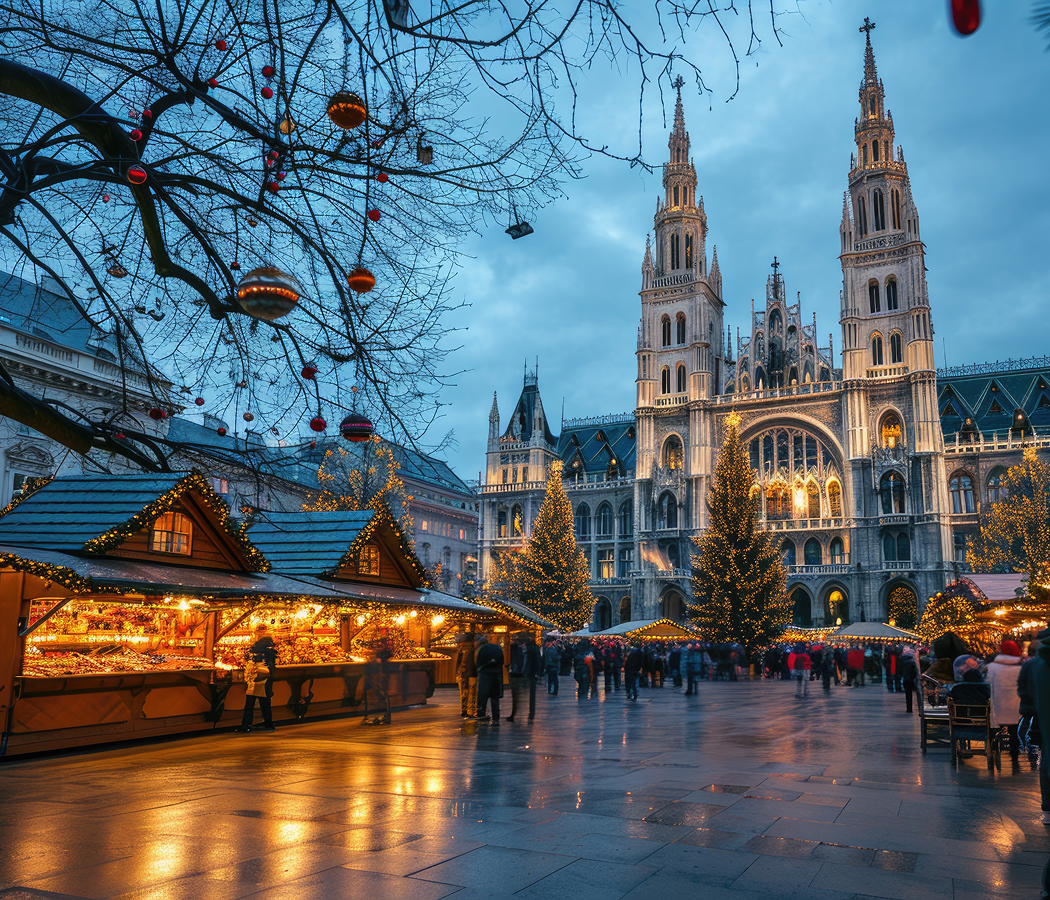
When Zürich Hauptbahnhof first opened in 1847, it was a modest two-track terminus on the edge of the old city walls. Over the decades, as Zürich grew into a global financial and cultural capital, the station expanded in stages, each reflecting the era's aesthetic and technological ideals. The current main hall, completed in 1871, was one of Europe's earliest examples of combining grand classical architecture with industrial ironwork. The iconic 9-meter-high statue, Guardian Angel (L'Ange Protecteur) by Niki de Saint Phalle, suspended in midair within the concourse, was added in 1997 and has since become a symbol of modern Zürich, a fusion of whimsy, art, and welcome. Few visitors realize that the station's subterranean levels form a multi-tiered city of their own: beneath the platforms lies ShopVille, an underground network of boutiques, bakeries, florists, and restaurants that hums 24 hours a day. In 2014, the opening of the Durchmesserlinie, a major through-line tunnel connecting the western and eastern suburbs, transformed Zürich HB from a terminus into a fully integrated through station, among Europe's largest underground rail expansions. The station also houses hidden treasures: the Sihl River runs directly beneath it, channeled through a vaulted tunnel, and a small museum chronicles the history of Swiss rail innovation, from steam engines to high-speed trains. During the winter season, the Main Hall becomes home to Christkindlimarkt, among Europe's most atmospheric indoor Christmas markets, crowned by a glittering Swarovski crystal Christmas tree. Beneath the iron arches, the scent of mulled wine and roasted chestnuts mingles with the rhythm of travel, turning a place of motion into a place of wonder. Zürich Hauptbahnhof isn't simply engineered for transit; it's built for life, a civic masterpiece that celebrates how movement itself can be beautiful.
How to fold Zurich HB into your trip.
To experience Zürich Hauptbahnhof fully, don't rush through it, wander it like a city within a city.
Start the visit from Bahnhofplatz, where trams hum past the station's neoclassical façade and the statue of Alfred Escher commands the square with quiet dignity. Step through the grand entrance and into the Main Hall, where travelers from every corner of Europe converge beneath the sweeping iron arches. Look upward, the Guardian Angel floats above the concourse, her energetic mosaic body gleaming in the soft light, an emblem of Zürich's blend of precision and playfulness. Grab a coffee or fresh pastry from Sprüngli, the renowned Swiss chocolatier inside the station, and take a seat by the window to watch the choreography of trains and people unfold with effortless grace. Venture downstairs to ShopVille, the subterranean level that feels more like an underground boulevard than a shopping mall, offering everything from Swiss watches to local cheeses and travel gear. If you're in Zürich during December, wander through the Christmas market and stand before the crystal tree, its lights reflecting off polished floors like stars on water. In the evening, step outside the western exit toward the Limmat River; the view of the city lights shimmering along the banks is pure serenity. For travelers heading onward, Zürich HB connects seamlessly to destinations across Switzerland - Interlaken, Lucerne, Geneva, as well as major European cities like Milan, Munich, and Paris. But even if your journey ends here, linger a while longer. Step back into the Main Hall after rush hour, when the crowds thin and the air turns still, the quiet hum of trains echoing softly beneath the glass roof, as if time itself pauses to breathe.
Where your story begins.
Foresyte Travel reveals places that feel extraordinary long before you arrive.
Experience premium editorial crafted for luxury travelers.