Why 18th Street matters.
18th Street is a thriving corridor where LoDo's mercantile legacy, railroad commerce, architectural craftsmanship, and urban reinvention remain inseparably connected.
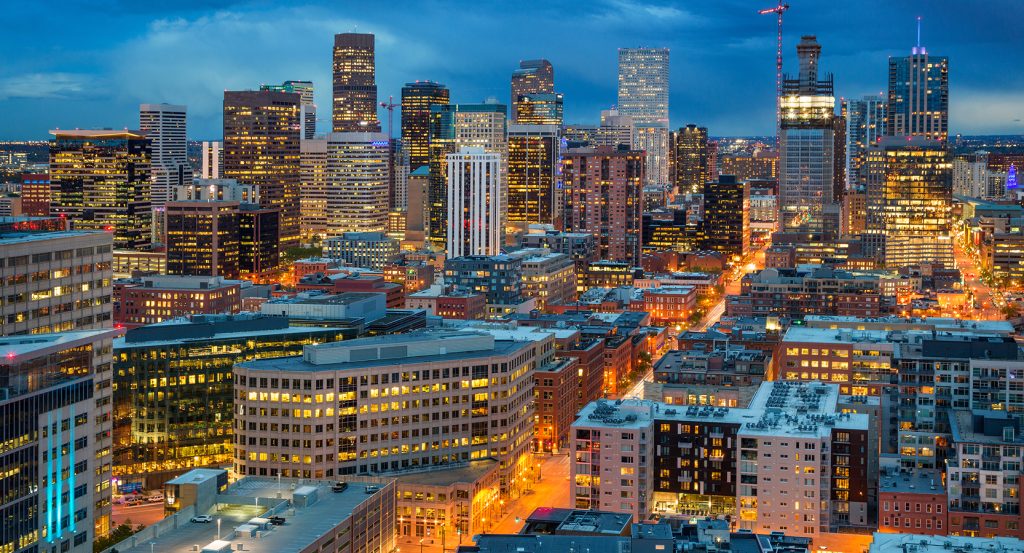
Running through LoDo between Auraria and Ballpark, the corridor follows one of Lower Downtown's oldest commercial alignments, where wholesale enterprise, warehouse construction, and entrepreneurial investment established the physical structure of Denver's nineteenth-century economy. Restored brick warehouses, cast-iron storefronts, heavy timber commercial buildings, and broad historic rights-of-way preserve a streetscape that continues expressing the district's industrial origins. The corridor ultimately reflects how commercial ingenuity and architectural durability transformed Lower Downtown into one of Denver's most recognizable historic districts. The result is an experience defined by historic enterprise, architectural authenticity, and enduring urban vitality.
What you should know 18th Street.
18th Street is best known for developing alongside Denver's earliest wholesale district after the arrival of the Denver Pacific Railway in 1870, an event that accelerated commercial investment throughout Lower Downtown and established the surrounding blocks as the city's principal mercantile center. During the 1880s and 1890s, commission merchants, hardware distributors, agricultural implement dealers, wholesale grocers, produce houses, and manufacturing firms occupied adjoining properties, creating an interconnected business district that supplied communities across the Rocky Mountain West. Sanborn Fire Insurance Maps document multi-story brick warehouses, carriage repositories, printing establishments, machine shops, storage buildings, and transfer companies throughout the corridor, while surviving commercial buildings incorporated heavy timber framing, thick load-bearing masonry walls, freight hoists, and iron fire shutters engineered for intensive wholesale operations. Business directories from the early twentieth century further demonstrate continual commercial occupancy as regional firms expanded warehouse capacity and distribution networks along the street.
Industrial building technology evolved as successive construction campaigns introduced reinforced concrete floor systems, structural steel framing, steel sash windows, fireproof stair towers, and larger warehouse footprints capable of supporting increasingly mechanized freight handling. Property records identify repeated reinvestment by wholesale merchants, coffee importers, food processors, printing companies, and equipment suppliers whose long-term occupancy demonstrates sustained economic diversification rather than dependence upon a single commercial sector. Historic preservation documentation also records surviving ghost signs, ornamental brick corbelling, original loading platforms, decorative parapets, and intact warehouse interiors that collectively preserve the physical evidence of Denver's emergence as the leading commercial distribution center of the interior West. Together, railroad expansion, wholesale commerce, documented industrial engineering, evolving warehouse construction, and preserved mercantile architecture establish 18th Street as one of LoDo's defining historic business corridors.
How 18th Street fits.
18th Street works as an exploration of Lower Downtown's railroad heritage, architectural preservation, and cultural evolution.
Begin at Union Station, where the restored terminal introduces the transportation story that fueled Lower Downtown's commercial rise while establishing the historical context needed to appreciate the surrounding warehouse streets and their remarkable architectural survival. Continue to Larimer Square, whose meticulously preserved nineteenth-century commercial buildings expand that narrative by demonstrating how private preservation efforts safeguarded Denver's earliest business architecture while reshaping the district into a thriving pedestrian destination. Conclude at Coors Field, where the adaptive transformation of former warehouse blocks into one of Denver's defining civic destinations provides the historical and resonant payoff, illustrating how industrial heritage became the foundation for Lower Downtown's modern identity. The sequence progresses from transportation origins through architectural preservation before culminating in the place that most completely synthesizes LoDo's commercial past and contemporary vitality.
Where your story begins.
Foresyte Travel reveals places that feel extraordinary long before you arrive.
Enjoy editorial crafted for luxury travelers.
Foresyte may earn a commission when you book.