Why you should experience Riverview in South Carolina.
Riverview is a distinguished waterfront residence where Downtown Beaufort's architectural heritage, riverfront elegance, and centuries of Lowcountry history preserve one of the city's finest historic homes.
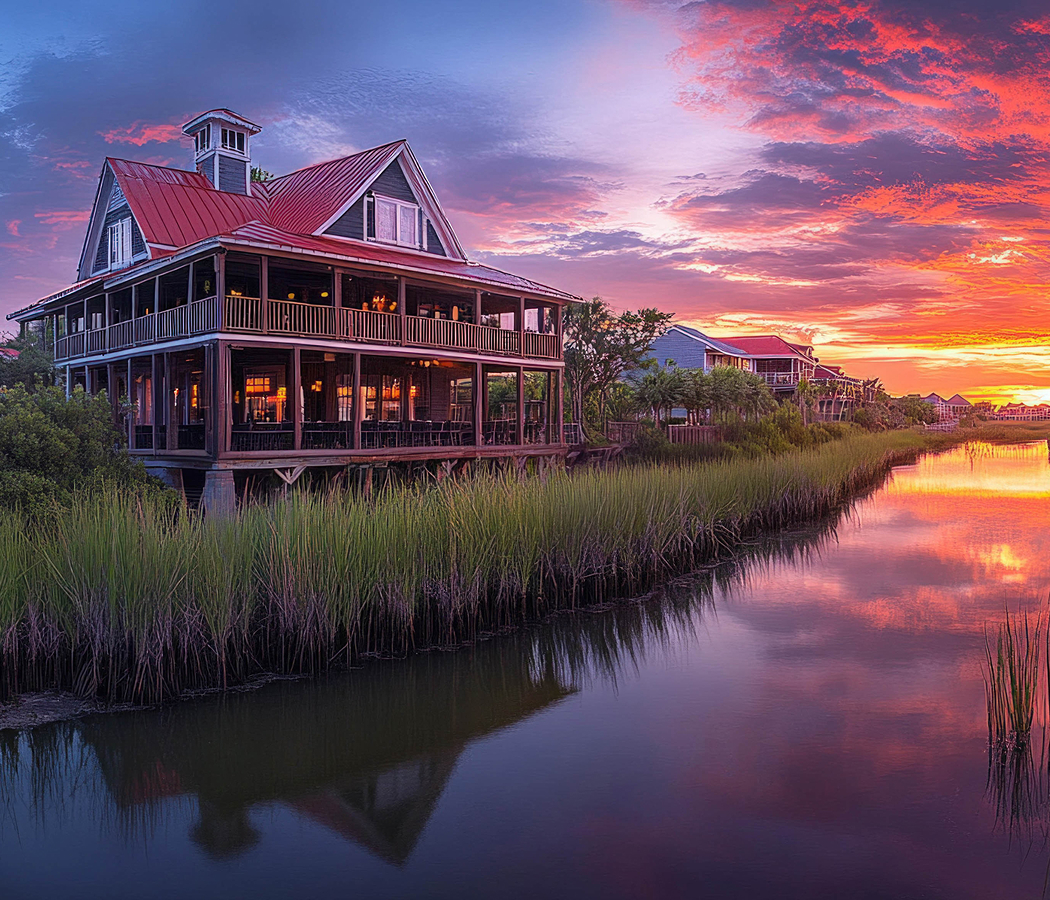
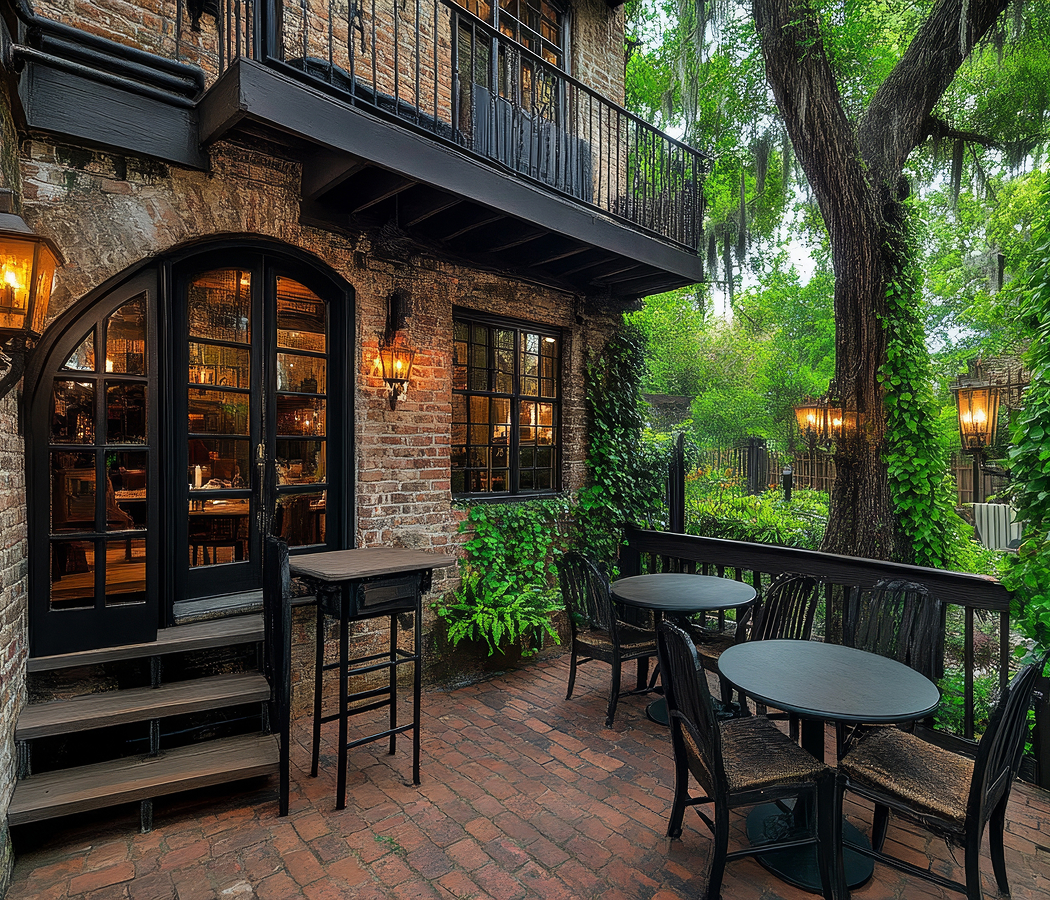
Set along Hancock Street near Bay Street and just steps from Henry C. Chambers Waterfront Park, this stately residence overlooks the Beaufort River through graceful porches, mature live oaks, and beautifully preserved architectural details that reflect the prosperity of Beaufort's historic waterfront. Carefully maintained craftsmanship and commanding river views immerse visitors in the atmosphere of one of South Carolina's most enduring coastal communities. The result is an experience defined by architectural beauty, historical significance, and the timeless character of the Lowcountry.
What you should know about Riverview.
Riverview is best known as one of Beaufort's most distinguished late nineteenth-century residences, constructed in 1898 for Colonel Edmund H. Deas, a prominent attorney, state legislator, judge, and one of South Carolina's most influential African American political leaders during the decades following Reconstruction. Designed in the Colonial Revival style as Beaufort entered a new era of architectural expression at the close of the nineteenth century, the residence reflects changing residential design through its balanced proportions, expansive river-facing porches, refined millwork, and carefully crafted detailing while overlooking the Beaufort River. Colonel Deas played a pivotal role in South Carolina's legal and political history, serving in the South Carolina House of Representatives, participating in the state's constitutional convention, and becoming one of the first African American judges appointed in the post-Reconstruction South, giving the residence an enduring association with both architectural and civil rights history. Listed as a contributing property within the Beaufort Historic District, designated a National Historic Landmark in 1973, Riverview preserves an important chapter in Beaufort's architectural development while commemorating the achievements of one of the city's most accomplished civic leaders.
Riverfront siting, broad verandas, and climate-responsive architectural design reveal how affluent Beaufort residences embraced both the beauty and environmental realities of the South Carolina coast at the turn of the twentieth century. Its enduring association with Colonel Deas strengthens the home's historical importance by connecting exceptional residential architecture with the legal, political, and social progress achieved by one of the most influential African American leaders in Beaufort's history.
How to fold Riverview into your trip.
Riverview works as part of a walking exploration through Downtown Beaufort's celebrated architectural and cultural heritage.
Begin at Henry C. Chambers Waterfront Park, where sweeping Beaufort River views introduce the maritime landscape that shaped the city's prosperity before continuing to Riverview to appreciate one of Beaufort's finest riverfront residences. Continue to John Mark Verdier House Museum, whose preserved interiors deepen appreciation for Beaufort's residential architecture across successive generations. Conclude at Pat Conroy Literary Center, where exhibits celebrating one of the South's most influential authors provide a memorable finale honoring the history and culture that continue defining Beaufort. The progression moves naturally from waterfront scenery to architectural heritage before concluding with one of the city's most important literary institutions.
Where your story begins.
Foresyte Travel reveals places that feel extraordinary long before you arrive.
Experience premium editorial crafted for luxury travelers.