Why you should experience Congo Square in New Orleans, Louisiana.
Congo Square is sacred ground, the rhythmic heartbeat from which much of America's music and cultural identity was born.
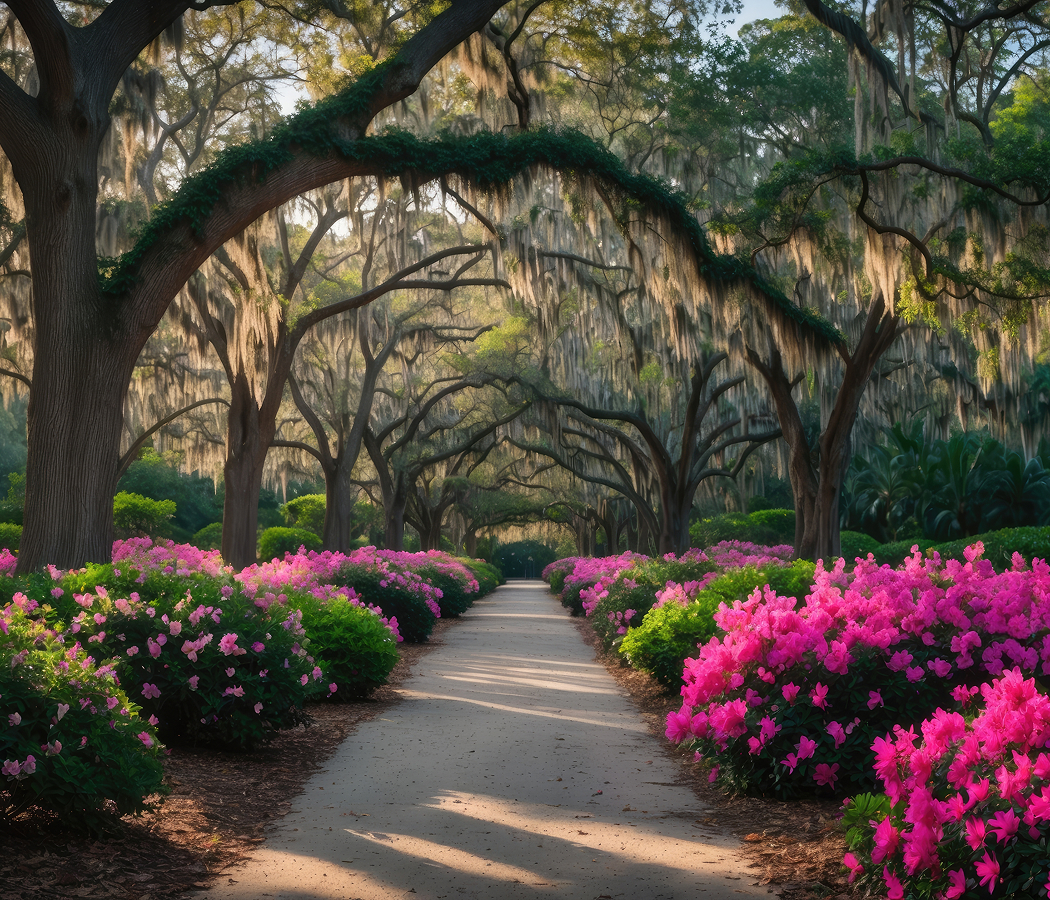
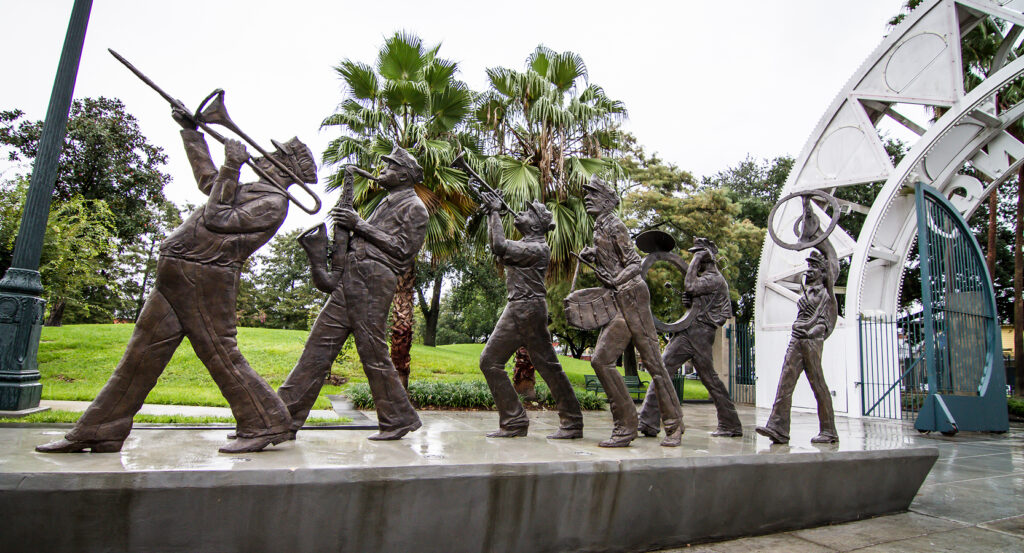
Tucked within Louis Armstrong Park in the Tremé neighborhood, this patch of earth once pulsed with the sounds of drums, chants, and celebration, the gathering place where enslaved Africans and free people of color would meet on Sundays in the 18th and 19th centuries. Here, they danced, traded goods, and preserved their ancestral traditions against all odds, fusing rhythms that would later give rise to jazz, blues, and gospel. Today, the square remains a spiritual anchor for New Orleans, its brick pathways circling a bronze statue of a drummer mid-motion, surrounded by oaks heavy with Spanish moss. The air hums differently here: every beat that ever echoed in this place still seems to linger. Stand in the square, and you can feel time bend, past and present layered in one continuous rhythm. Congo Square isn't just history, it's the city's soul laid bare, a living monument to resilience, joy, and the unbreakable power of culture.
What you didn’t know about Congo Square.
Few places in the Western Hemisphere hold a legacy as profound as Congo Square, a place where freedom found its rhythm long before it found its name.
In the early 1700s, when Louisiana was still under French colonial rule, laws allowed enslaved Africans to gather on Sundays, a rare window of autonomy. They converged on what was then the “Place des Nègres,” later renamed Congo Square, to dance in circles to the beat of hand drums, gourds, and tambourines. The music blended African, Caribbean, and Indigenous influences, creating complex polyrhythms that became the foundation of African American musical expression. When New Orleans passed into Spanish and then American control, these gatherings persisted, evolving into organized markets and festivals that drew crowds from across the city. By the mid-19th century, as restrictions grew tighter, the drumming faded, but the pulse never stopped. Decades later, jazz would be born just blocks away, its syncopations carrying the DNA of those Sunday rhythms. Today, Congo Square is both a memorial and a living space, hosting drum circles, festivals, and tributes that continue the tradition. Its preservation within Louis Armstrong Park isn't just symbolic, it's restorative, a reclamation of a story too often silenced.
How to fold Congo Square into your trip.
To experience Congo Square is to walk into a circle of living history, a place where music, spirit, and memory still meet beneath the same sky.
Enter through Louis Armstrong Park and follow the pathways until the sound of the city fades into stillness. Stand in the center of the square and close your eyes, if you listen closely, you might catch the faint rhythm of a drum echoing across centuries. Visit on a Sunday afternoon when local drummers and dancers still gather to honor the ancestors, filling the air with the same beats that once defied oppression. Take time to explore the sculptures and plaques that trace the square's cultural lineage, then wander the rest of Armstrong Park, its sculptures, bridges, and reflecting pools providing quiet space for reflection. Pair your visit with a walk through Tremé, one of the oldest African American neighborhoods in the United States, where brass bands and Creole cooking still animate the streets. Congo Square in Tremé isn't just a site to see, it's an experience to feel, a place where rhythm and reverence flow as one, and where every heartbeat of New Orleans seems to begin.
Hear it from the Foresyte community.
Just enough life around you not to be overwhelming. Right pace.
Where your story begins.
Start your planning journey with Foresyte Travel.
Experience immersive stories crafted for luxury travelers.