Why you should experience Ellis Avenue in Toronto, Ontario.
Ellis Avenue is a tranquil corridor where High Park-Swansea's lakeside heritage, garden-suburb planning, architectural craftsmanship, and natural landscapes preserve one of Toronto's most graceful residential streets.
Running through High Park-Swansea between High Park and Sunnyside, the corridor connects early twentieth-century residential blocks, mature tree canopies, protected parkland, and Lake Ontario's waterfront landscapes that collectively demonstrate Toronto's western expansion during the streetcar era. Successive blocks reveal how estate subdivision, electric transit, picturesque planning, and careful residential construction shaped an avenue whose original character remains remarkably intact. Throughout the corridor, period homes, landscaped boulevards, and enduring public green spaces continue expressing the planning ideals that defined Toronto's most desirable lakeside neighborhoods. The result is an experience defined by refinement, continuity, and one of the city's most picturesque residential corridors.
What you should know about Ellis Avenue.
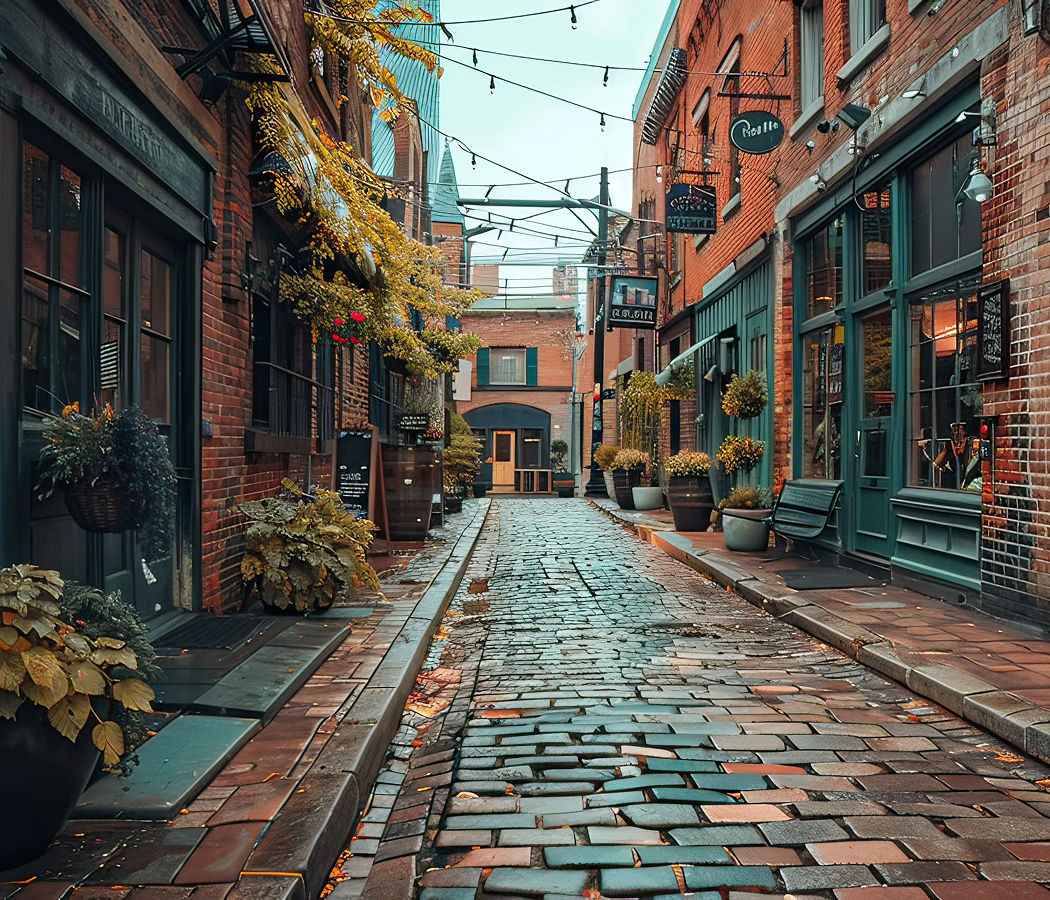
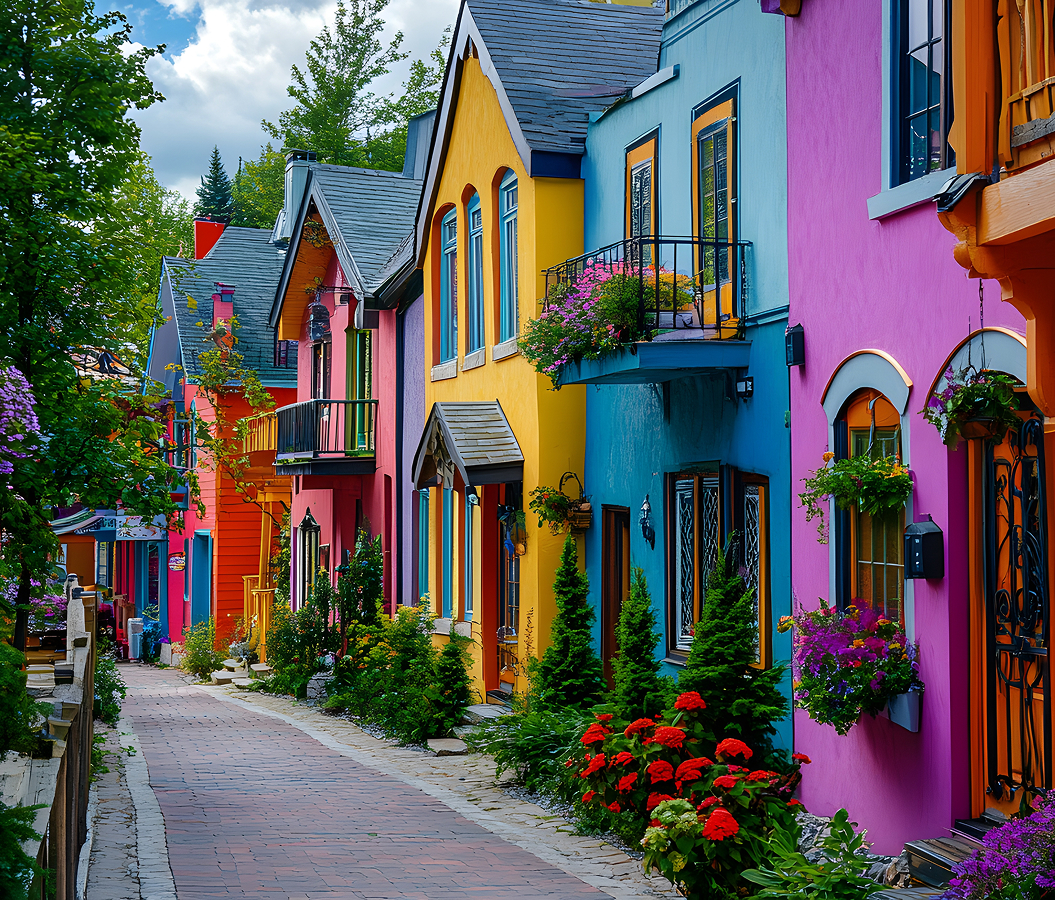
Ellis Avenue is best known for developing during the 1900s, 1910s, and 1920s after subdivision of lands associated with the former Runnymede Estate and adjoining properties as Toronto expanded west toward Lake Ontario. Residential construction accelerated following electrification of the Toronto Railway Company streetcar system and the continued operation of the Queen Street route, providing reliable transportation between Swansea, Parkdale, and Toronto's commercial core. Builders introduced distinguished collections of Edwardian Classical, Arts and Crafts, Tudor Revival, and Georgian Revival houses featuring red brick masonry, cut limestone detailing, decorative half-timbering, leaded-glass windows, broad front porches, steep gabled roofs, and finely crafted brick chimneys that continue defining the avenue's architectural identity. Subdivision plans incorporated generous building setbacks, landscaped front gardens, curved streetscapes, and mature boulevard plantings that reflected contemporary garden-suburb planning principles while complementing the nearby landscapes of High Park and Grenadier Pond. Together, these transportation investments, residential subdivisions, architectural traditions, landscape planning principles, and civic improvements established Ellis Avenue as one of Toronto's finest streetcar-era residential corridors.
Construction of Humberside Collegiate Institute in 1892 provided one of Toronto's earliest collegiate schools for the rapidly growing western suburbs, strengthening the educational importance of the surrounding district for generations of students. Completion of the Sunnyside Bathing Pavilion in 1922, designed by Alfred Chapman, reinforced the nearby waterfront as one of Toronto's foremost recreational destinations while encouraging additional residential investment throughout High Park-Swansea. Heritage recognition through the City of Toronto Heritage Register continues preserving original residential façades, decorative masonry, limestone detailing, leaded glass, ornamental woodwork, historic rooflines, and carefully maintained streetscape relationships that distinguish Ellis Avenue from later suburban development. Collectively, these educational investments, waterfront improvements, architectural commissions, preservation initiatives, and community planning efforts demonstrate how Ellis Avenue evolved into a corridor where residential craftsmanship and Toronto's lakeshore heritage remain closely interconnected.
How to fold Ellis Avenue into your trip.
Ellis Avenue works as an exploration of Toronto's lakeside history, residential architecture, and celebrated park landscapes.
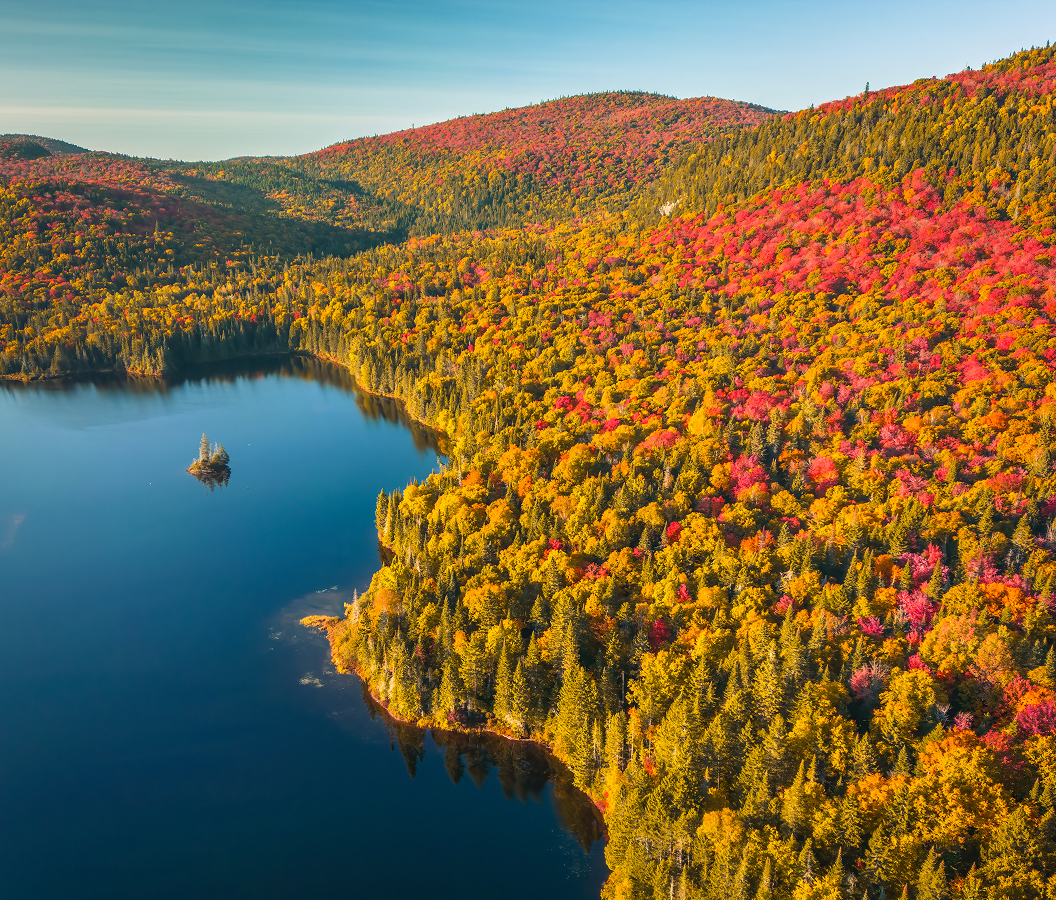
Begin at High Park, where expansive woodlands, Grenadier Pond, and historic gardens establish the natural setting that shaped the surrounding residential neighborhood. Continue to Sunnyside Bathing Pavilion, where Alfred Chapman's distinguished waterfront design reflects the civic investment that transformed Toronto's western shoreline during the early twentieth century. Conclude at Colborne Lodge, where John George Howard's beautifully preserved nineteenth-century residence provides the historical culmination by illustrating the estate landscapes that preceded the development of Ellis Avenue and High Park-Swansea. Together, the sequence progresses from natural landscapes to waterfront history before culminating in Toronto's early estate heritage, revealing why Ellis Avenue remains one of the city's most historically expressive residential corridors.
Where your story begins.
Foresyte Travel reveals places that feel extraordinary long before you arrive.
Experience premium editorial crafted for luxury travelers.