Why you should experience Manning Avenue in Toronto, Ontario.
Manning Avenue is a cultivated corridor where Trinity-Bellwoods' creative spirit, residential heritage, architectural craftsmanship, and neighborhood character define one of Toronto's most distinctive west-end streets.
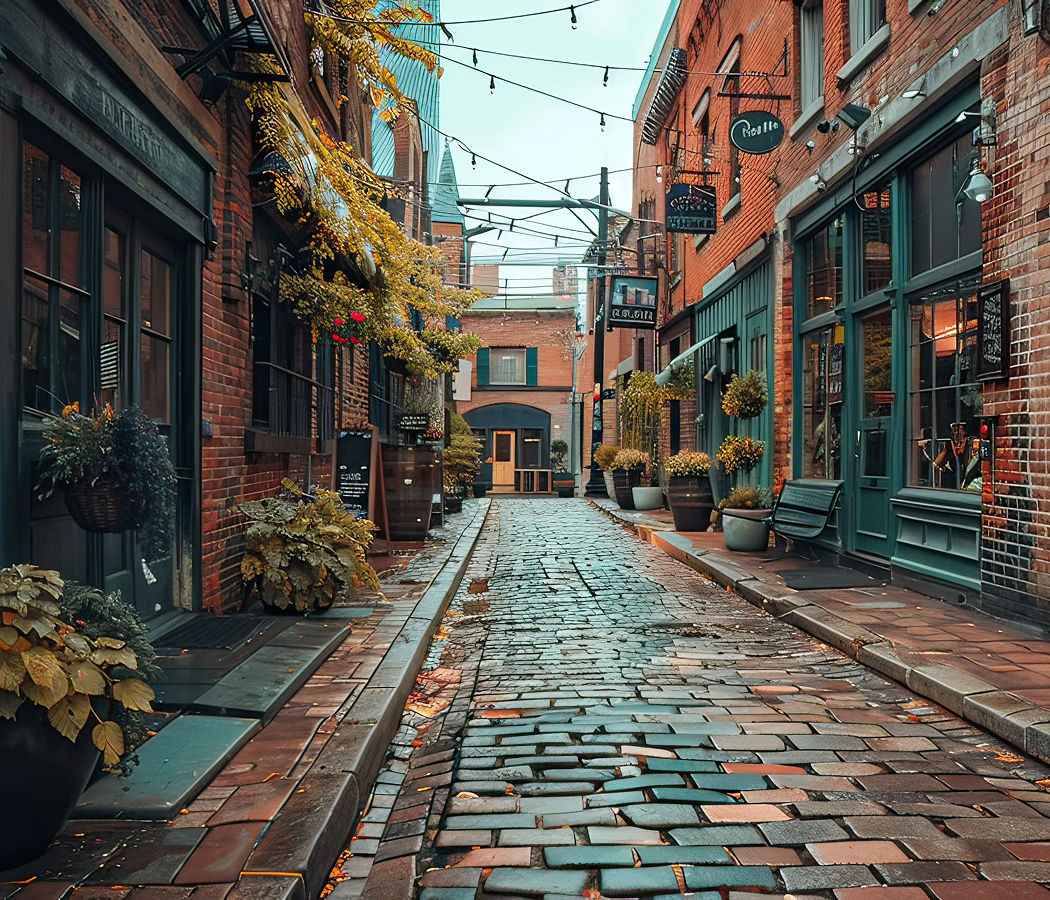
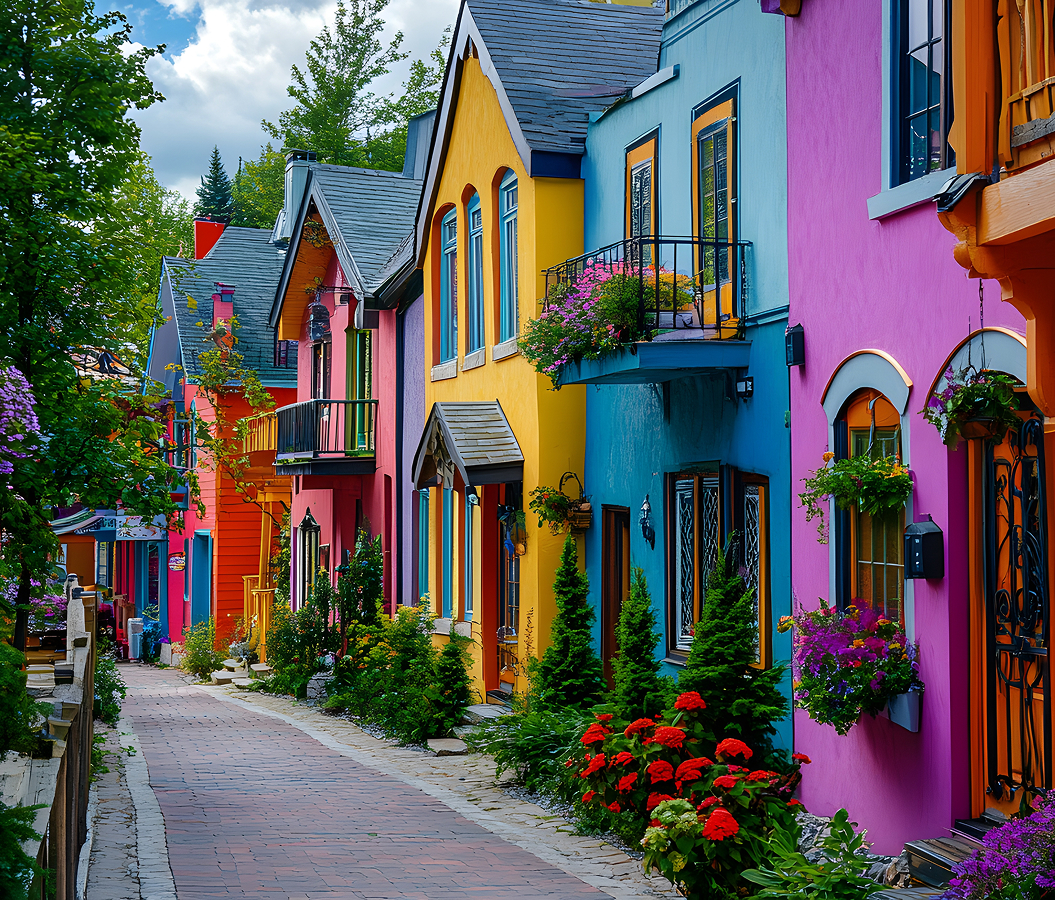
Running through Trinity-Bellwoods between Little Italy and Kensington Market, the corridor links mature tree canopies, Victorian streetscapes, neighborhood institutions, and generations of community life that collectively reveal the evolution of one of Toronto's most admired urban neighborhoods. Successive blocks demonstrate how streetcar expansion, thoughtful residential planning, and long-term stewardship produced a streetscape whose historic character has remained remarkably cohesive despite continual urban change. Throughout the corridor, period residences, landscaped boulevards, and neighborhood life remain closely intertwined, creating a cohesive expression of Toronto's historic west end. The result is an experience defined by architectural continuity, creative energy, and one of the city's most rewarding residential corridors.
What you should know about Manning Avenue.
Manning Avenue is best known for developing as part of the westward expansion of Toronto between the 1880s and the 1910s, when the former Denison Estate was subdivided into residential building lots following decades of agricultural use west of the original city limits. Growth accelerated after the Toronto Street Railway extended horse-drawn streetcar service along nearby College Street in 1875, a network later electrified by the Toronto Railway Company beginning in 1892, making the surrounding district practical for middle-class residential development. Builders subsequently introduced a cohesive collection of Victorian, Edwardian, and Arts and Crafts houses characterized by red brick masonry, projecting bay windows, decorative gables, carved stone lintels, stained-glass transoms, and elevated front porches that continue defining much of the corridor today. The opening of Trinity Bellwoods Park on former Provincial Lunatic Asylum lands after 1904 further increased the desirability of nearby residential streets, while the avenue's proximity to College Street, Dundas Street West, and Queen Street West established enduring connections to Toronto's expanding commercial and streetcar corridors. Together, these transportation improvements, estate subdivisions, architectural traditions, and civic investments transformed Manning Avenue into one of the defining residential streets of Toronto's west end.
Subdivision plans recorded during the late nineteenth century established the corridor's unusually consistent lot widths and setbacks, producing a streetscape whose orderly rhythm remains evident across successive blocks despite more than a century of incremental change. Construction by numerous independent Toronto builders, rather than a single speculative developer, introduced subtle variations in brick detailing, dormer forms, ornamental woodwork, and masonry craftsmanship while preserving remarkable architectural cohesion throughout the avenue. Designation of the surrounding West Queen West and Trinity-Bellwoods areas as important heritage landscapes has encouraged continued restoration of original façades, wood windows, decorative iron fencing, and historic streetscape elements. Collectively, these planning decisions, construction practices, and preservation efforts demonstrate how Manning Avenue reflects not only Toronto's streetcar-era expansion but also the enduring stewardship that has allowed one of the city's finest nineteenth-century residential corridors to remain substantially intact.
How to fold Manning Avenue into your trip.
Manning Avenue works as an exploration of Trinity-Bellwoods' architectural heritage, creative identity, and neighborhood traditions.
Begin at Trinity Bellwoods Park, where expansive lawns, mature trees, and historic recreational landscapes establish the neighborhood's shared civic character while providing the natural setting from which the surrounding residential streets developed over successive generations. Continue to Kensington Market, where independent grocers, specialty food merchants, artisans, and multicultural traditions broaden the story by revealing the cultural diversity that has long enriched the communities surrounding Manning Avenue. Conclude at The Theatre Centre, where contemporary performance spaces housed within a carefully restored heritage building provide the historical and cultural culmination by illustrating how the neighborhood continues building upon its longstanding tradition of artistic expression and architectural preservation. Together, the sequence moves from community landscape to multicultural tradition before culminating in contemporary cultural life, revealing why Manning Avenue remains one of Trinity-Bellwoods' defining residential corridors.
Where your story begins.
Foresyte Travel reveals places that feel extraordinary long before you arrive.
Experience premium editorial crafted for luxury travelers.