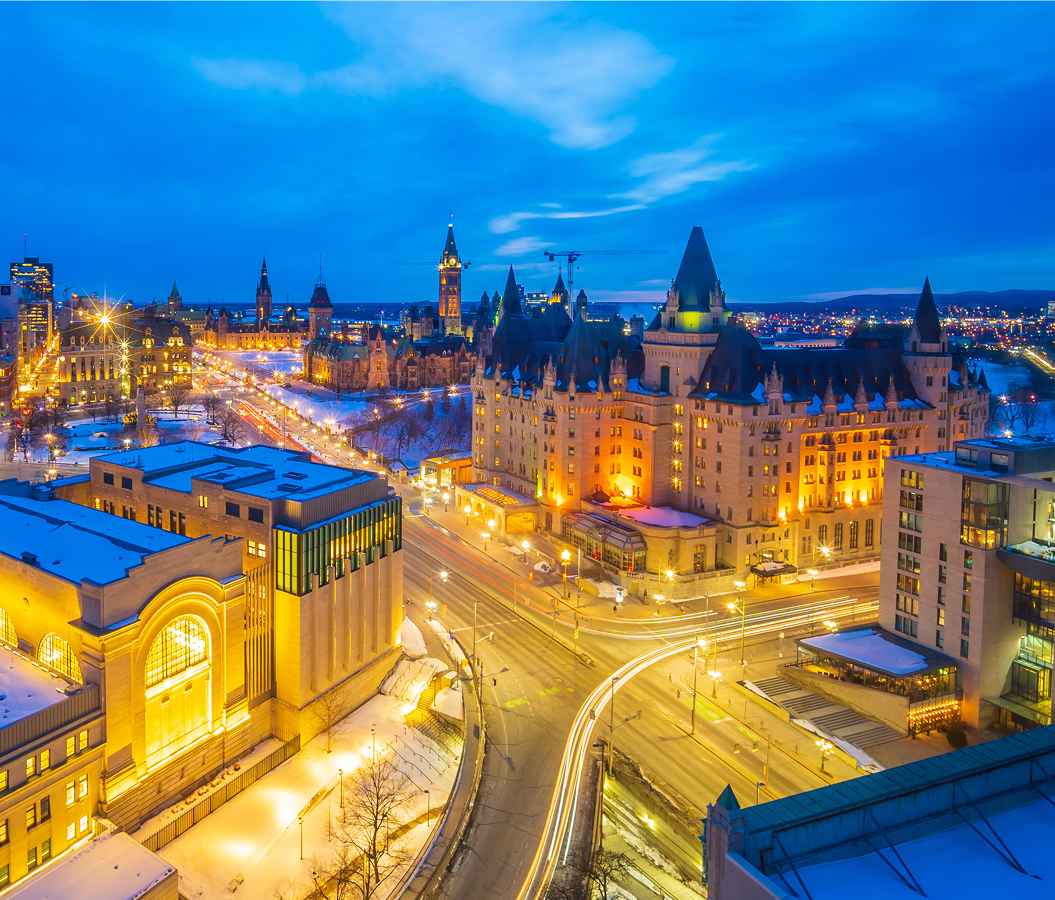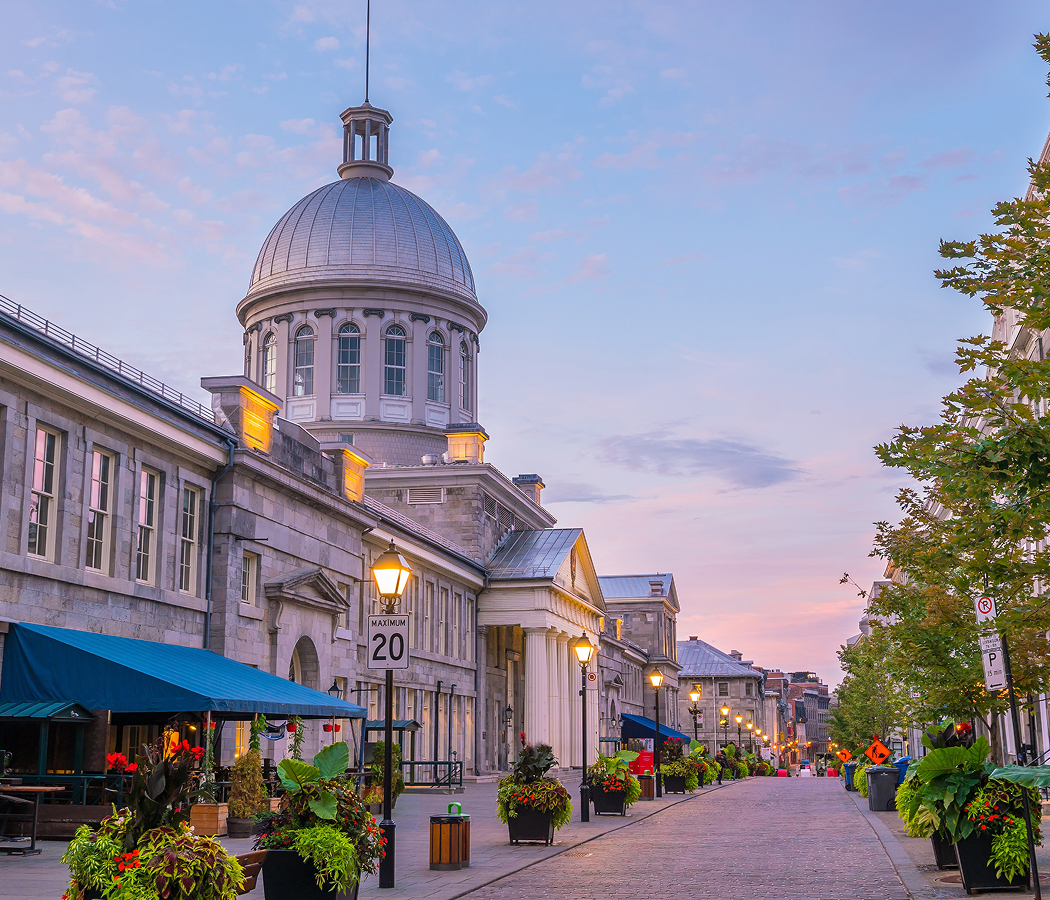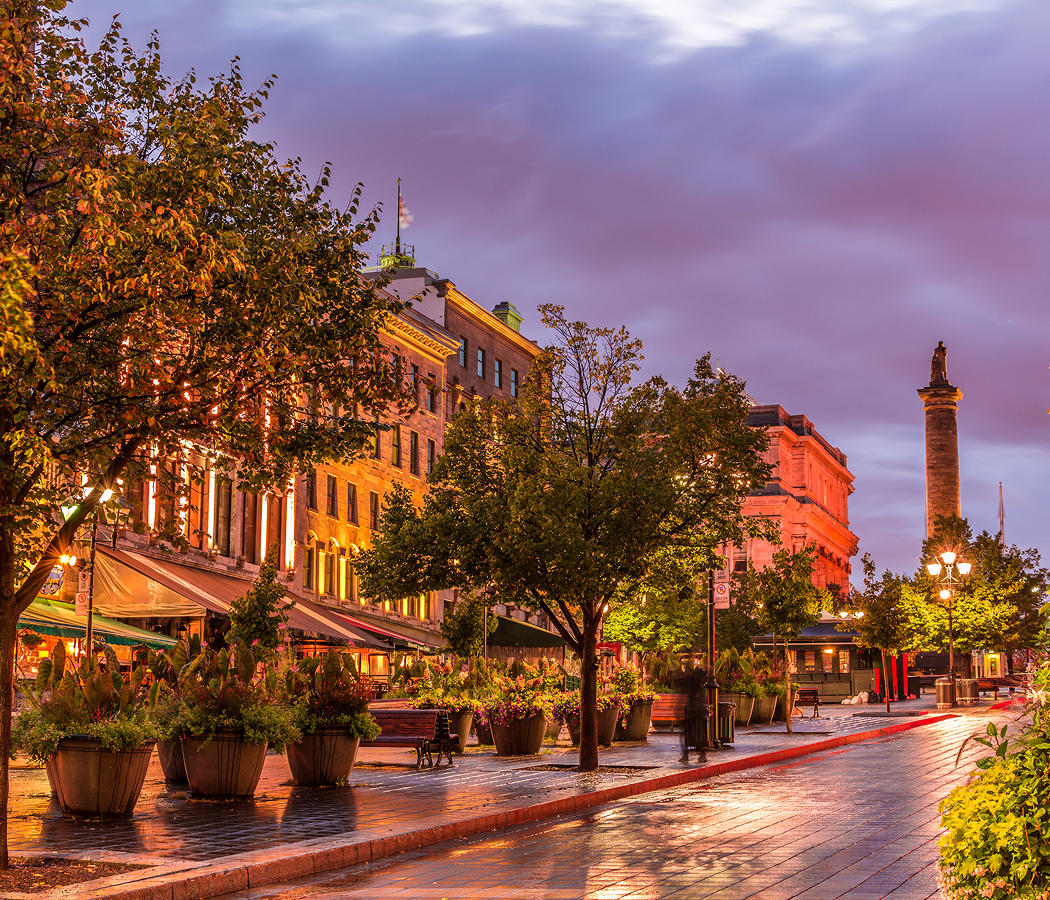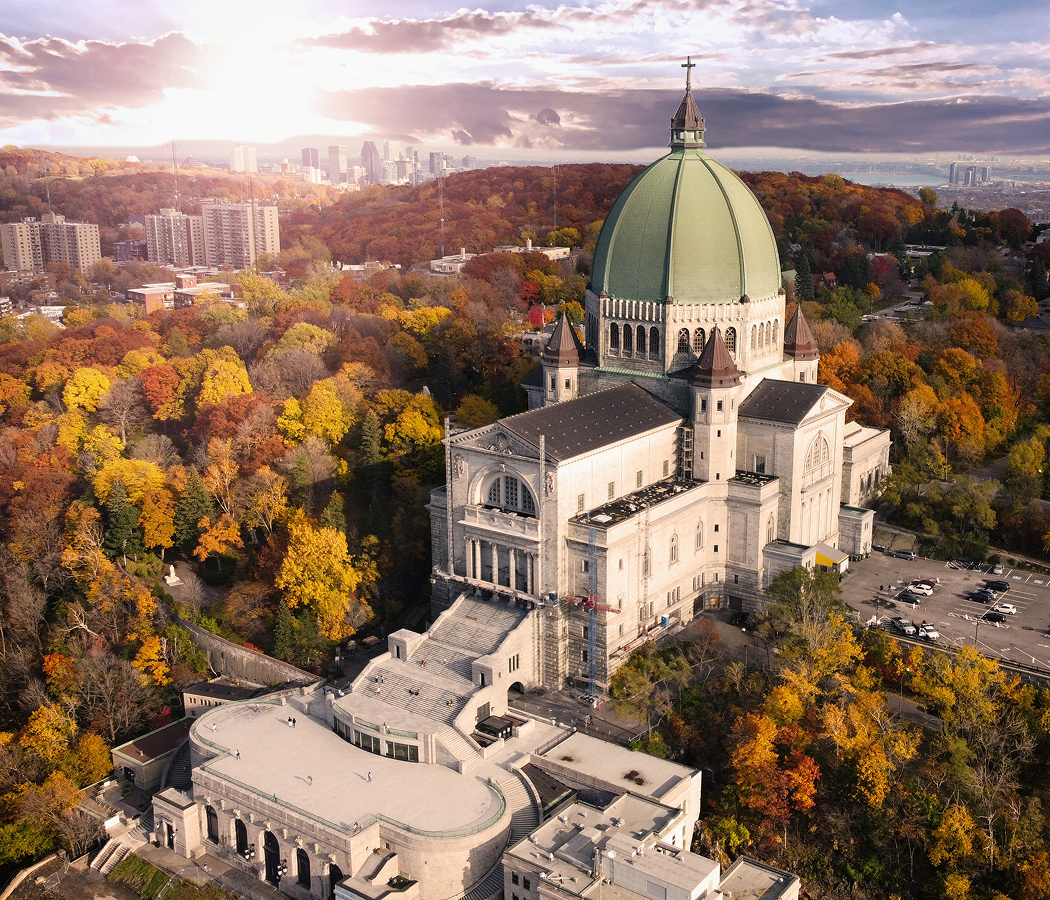
Why you should experience Marion Street in Toronto, Ontario.
Marion Street is a graceful corridor where Roncesvalles Village's residential heritage, architectural craftsmanship, neighborhood character, and west-end traditions define one of Toronto's most inviting historic streets.
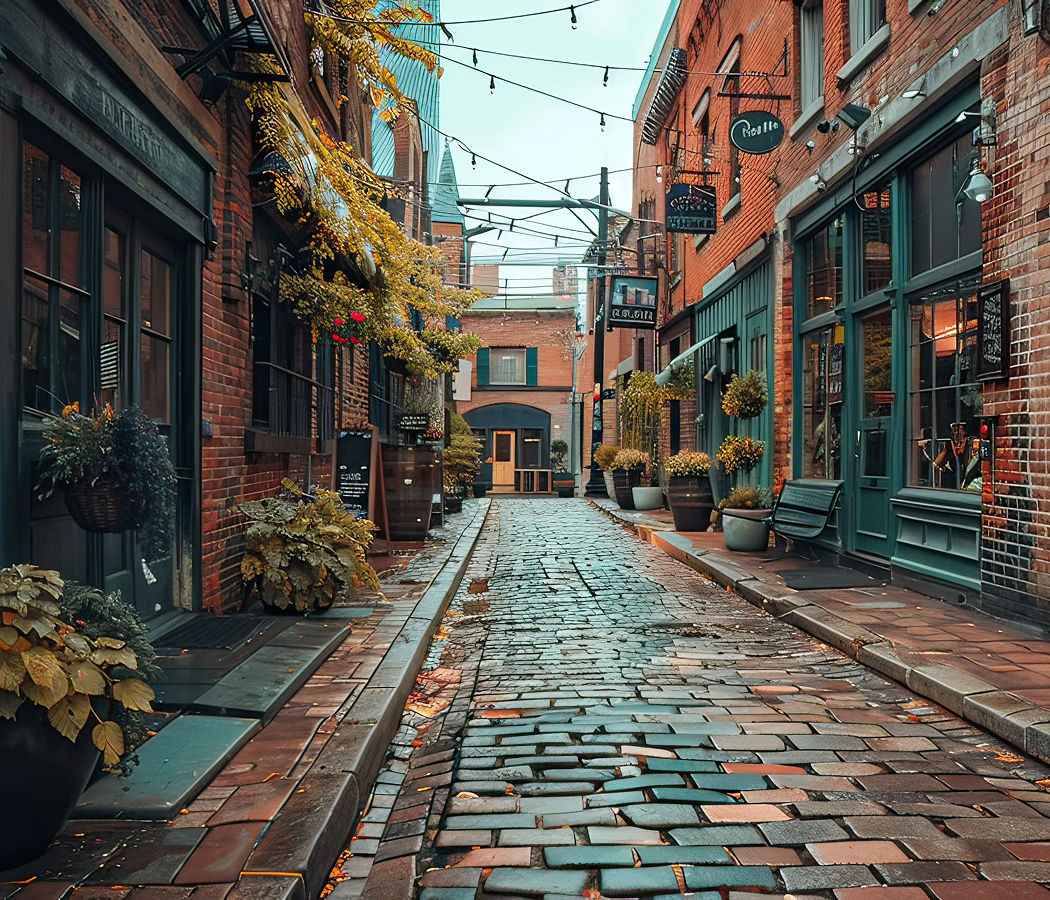
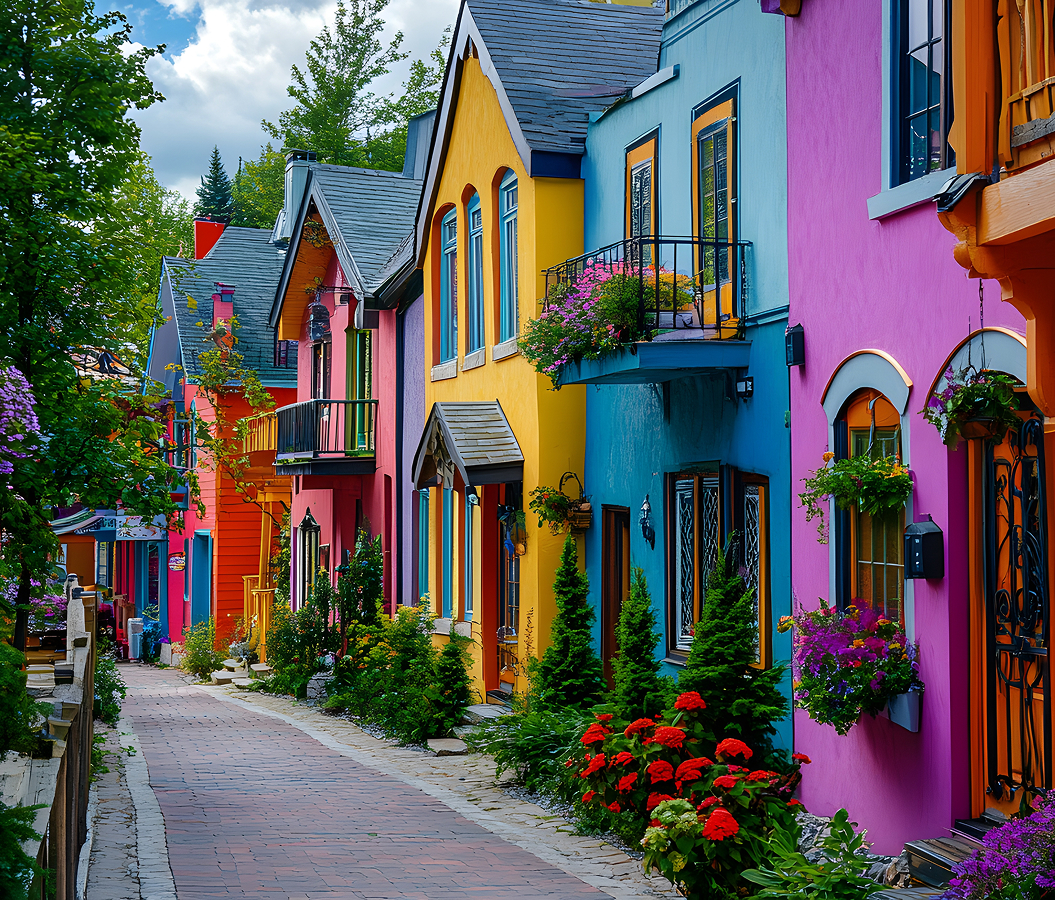
Running through Roncesvalles Village between High Park North and Parkdale, the corridor links mature tree canopies, carefully preserved period homes, neighborhood institutions, and generations of community life that collectively reveal the evolution of one of Toronto's most admired streetcar suburbs. Successive blocks demonstrate how thoughtful residential planning, enduring architectural quality, and long-term stewardship produced a streetscape that has retained its distinctive character for more than a century. Throughout the corridor, historic residences, landscaped boulevards, and neighborhood life remain closely intertwined, creating a cohesive expression of Toronto's historic west end. The result is an experience defined by architectural continuity, residential elegance, and one of the city's most rewarding neighborhood corridors.
What you should know about Marion Street.
Marion Street is best known for emerging during the rapid residential expansion that followed the extension of Toronto's electric street railway network into the city's western districts during the late nineteenth and early twentieth centuries. Construction between the 1890s and 1920s established a remarkably cohesive collection of Victorian, Edwardian, and Arts and Crafts residences distinguished by red brick masonry, decorative gables, stained-glass transoms, broad front porches, and finely crafted stone detailing that continue defining the corridor today. Much of the surrounding neighborhood developed across lands formerly associated with the Howard Park Estate, whose subdivision established the orderly street pattern that shaped the growth of Roncesvalles Village into one of Toronto's foremost residential communities. Marion Street consequently preserves an exceptional architectural record of the city's streetcar-era suburban expansion.
Original masonry façades, carved sandstone lintels, decorative brick corbelling, slate roofing, and mature boulevard trees continue reinforcing the corridor's remarkably consistent historic streetscape. Numerous residences retain period rooflines, ornamental woodwork, leaded-glass windows, and landscaped setbacks that collectively demonstrate the craftsmanship associated with Toronto's finest early twentieth-century residential builders. Continued conservation by successive property owners has preserved the corridor's architectural integrity while maintaining the consistent scale, material palette, and visual rhythm established during its principal era of construction. Together, these preserved construction traditions, enduring architectural materials, and long-term neighborhood stewardship demonstrate how Marion Street evolved into one of Roncesvalles Village's finest surviving historic residential corridors.
How to fold Marion Street into your trip.
Marion Street works as an exploration of Roncesvalles Village's architectural heritage, neighborhood traditions, and west-end character.
Begin at Sorauren Park, where expansive green space, community gardens, and one of the neighborhood's most active gathering places introduce the civic traditions that continue shaping daily life in Roncesvalles Village before the route turns toward its historic residential streets. Continue to Roncesvalles Avenue, whose independently owned cafés, specialty shops, and long-established Polish businesses deepen the story by revealing the commercial traditions and cultural character that have defined the neighborhood across generations. Conclude at High Park, where extensive woodlands, formal gardens, and one of Canada's finest urban park landscapes provide the historical and visual culmination by placing Marion Street within the broader natural setting that influenced the development of Toronto's western neighborhoods. Together, the sequence progresses from community gathering to cultural character before culminating in the landscape that helped shape the entire district, revealing why Marion Street remains one of Roncesvalles Village's defining residential corridors.
Where your story begins.
Foresyte Travel reveals places that feel extraordinary long before you arrive.
Experience premium editorial crafted for luxury travelers.