Why you should experience Hotel Chalet Swiss in Interlaken, Switzerland.
Hotel Chalet Swiss is the kind of place where the scent of pine, the warmth of carved timber, and the glow of traditional alpine architecture wrap around you so completely that your stay feels like stepping into the most romantic vision of Switzerland you ever imagined.
Set in the quiet, leafy district of Interlaken West, Hotel Chalet Swiss stands as a postcard-perfect example of classic Bernese Oberland design, an authentic wooden chalet built in 1862, its façade adorned with carved balconies, decorative shutters, overflowing flower boxes, and intricate woodwork that has been lovingly preserved for more than 160 years. From the moment you arrive, the hotel radiates a sense of heritage, warmth, and lived-in alpine authenticity. Step inside and the atmosphere deepens, a world of polished timber beams, cozy textiles, traditional crafts, soft lighting, and the unmistakable feeling of a mountain lodge that has sheltered generations of travelers. The lobby feels like a cross between a Swiss living room and a vintage chalet salon: warm woods, rustic details, intimate seating, curated antiques, and a quiet, comforting atmosphere that makes you want to slow down and settle in. Rooms continue this alpine embrace with wooden paneling, warm fabrics, plush bedding, classic Swiss décor, carved details, and windows framing either the rooftops of Interlaken, the gardens, or the white peaks rising above the valley. Many rooms include charming balconies draped in greenery or flowers, perfect for morning coffee in crisp mountain air or an evening glass of wine beneath the glow of twilight. Bathrooms blend tradition with modern comfort, clean, updated, functional, bright, and well-appointed with polished fixtures, glass showers or tubs, warm lighting, and amenities chosen for ease and comfort. One of Hotel Chalet Swiss’s most beloved features is its breakfast room, a cozy, wood-paneled space that feels like a family alpine dining hall. Morning sunlight filters through chalet windows, illuminating a beautiful spread of pastries, breads, eggs, cheeses, smoked fish, cold cuts, yogurt, fruit, cereals, jams, juices, and rich Swiss coffee. The room feels warm, intimate, and quietly joyful, with the soft hum of guests starting their day in an atmosphere that feels quintessentially Swiss. The hotel lounge and bar reinforce the chalet spirit: rustic décor, leather seating, warm-toned lighting, carved wood furniture, and the comfortable, home-like feeling of a mountain refuge where evenings unfold slowly. A fire crackles in colder months, adding an extra layer of alpine immersion. One of the hotel’s signature amenities is its wellness area, including a traditional Swiss sauna and warm relaxation spaces, simple, authentic, and perfect after a long day exploring the mountains. Location is one of Hotel Chalet Swiss’s quiet strengths. While it sits in a peaceful neighborhood removed from the busier promenade, it is only a short walk to Interlaken West, giving you effortless access to Lake Thun cruises, trains to the Jungfrau Region, buses into the valley, river paths, cafés, and local shops. The walk itself, through leafy streets lined with chalets, sets the tone for the calm and cozy experience that defines the hotel. Staff elevate everything with warm, personal, genuinely welcoming Swiss hospitality. Their knowledge of the region’s hiking paths, boat routes, mountainside cafés, scenic viewpoints, and day trips feels rooted in deep familiarity. Hotel Chalet Swiss is atmospheric, historic, cozy, romantic, peaceful, authentically Swiss, and perfectly positioned for travelers who want the classic alpine dream without sacrificing convenience or comfort.
What you did not know about Hotel Chalet Swiss.
Hotel Chalet Swiss stands on land shaped by glacial retreat, Celtic tradition, Roman travel, medieval monastic agriculture, early Swiss alpine settlement, and the development of Interlaken as one of Europe’s earliest mountain tourism centers.
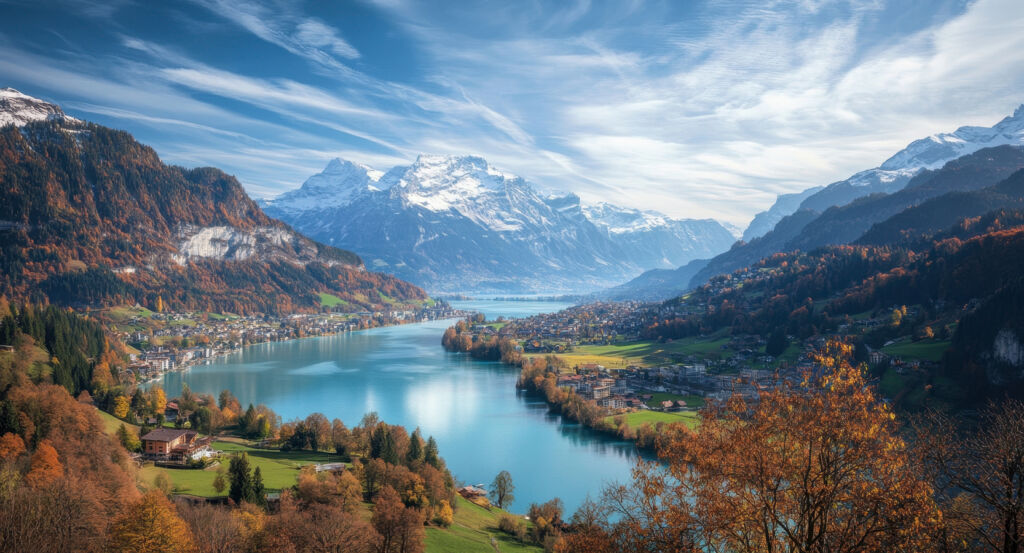
The valley where the hotel sits was formed after the last Ice Age, when the retreat of the Aare Glacier carved out the flat alluvial plain between Lake Thun and Lake Brienz. As the glacier melted, it left behind fertile soil, a braided turquoise river system, and a natural terrace that became ideal for human settlement, still visible in the terrain around Interlaken West. Before Switzerland existed, the region was inhabited by Celtic Helvetii tribes. Their settlements and sacred landscapes shaped early pathways along the riverbanks and meadows that run directly behind the district where Hotel Chalet Swiss would later be built. The Celtic people viewed the Jungfrau massif with spiritual reverence, weaving mountain imagery into their rituals and stories. When the Roman Empire expanded north, the valley became a transit route between Aventicum and the Rhine. Roman travelers, soldiers, and merchants passed through what is now Interlaken West, following the natural corridor between the lakes. Archaeologists have uncovered Roman coins, tools, pottery fragments, and other artifacts around the region’s waterways, evidence of Roman presence long before the modern town existed. By the 12th century, the Augustinian Interlaken Monastery controlled much of the land between the lakes. The area around the present-day hotel was used for farming, milling, and livestock, shaped by monastic agriculture and early engineering methods. Timber construction flourished in this era, establishing the architectural traditions that would later inspire the chalet style. The chalet design, heavy timber beams, carved balconies, pitched roofs, and deep eaves, emerged from centuries of Alpine building knowledge. It was practical, insulating, and suited to both snow and mountain weather. The structure that eventually became Hotel Chalet Swiss was built in 1862 as part of a wave of grand chalet-style lodges constructed during the rise of Alpine tourism. The mid-1800s saw Interlaken transform from an agricultural community into a resort gateway. Romantic-era explorers, aristocrats, climbers, naturalists, painters, and writers flocked to the region. Many arrived by boat on Lake Thun, disembarking at what is now Interlaken West, then walking into town past the newly built chalet hotels. The original Chalet Swiss was designed to reflect traditional Bernese Oberland craftsmanship, heavy carved beams, wooden balconies, floral detail, and timber joinery. It quickly became a favorite among international travelers seeking an authentic Alpine experience rather than a grand Belle Époque hotel. The surrounding district became known for its chalets, gardens, and peaceful residential charm. As tourism expanded with the construction of the railway, funiculars, and eventually the Jungfraubahn, the hotel hosted early alpinists attempting the Eiger, Mönch, and Jungfrau, along with artists inspired by the valley’s dramatic landscapes. Wildlife continues to influence the region’s identity: chamois on high cliffs, ibex roaming ridges, marmots whistling from meadows, foxes weaving through forests, eagles circling above the lakes, and countless bird species using the riverbanks as pathways. These ecosystems shaped local folklore, early settlement patterns, and even the aesthetics of chalet furnishings. Through world wars, tourism shifts, and modern development, Hotel Chalet Swiss preserved its traditional architecture and atmosphere, making it one of the purest surviving examples of 19th-century Swiss chalet hospitality. Today, it stands as a living chapter in Interlaken’s story, rooted in Alpine tradition while serving modern travelers with warmth and authenticity.
How to fold Hotel Chalet Swiss into your trip.
Hotel Chalet Swiss becomes the warm, wooden, deeply authentic alpine anchor of your Swiss journey, a place where mornings begin with cozy comfort, days open into panoramic mountain exploration, and evenings bring you back to crackling warmth, soft lights, and peaceful chalet atmosphere.
Start your morning with breakfast in the chalet dining room, fresh pastries, breads, eggs, cheeses, yogurt, smoked fish, fruit, cereals, charcuterie, jams, juices, and strong Swiss coffee served in a room glowing with wood and morning sun. After breakfast, walk to Interlaken West station, just minutes away, and head into the Jungfrau Region. Spend your day exploring Grindelwald’s dramatic cliffs, Wengen’s high promenades, Mürren’s car-free mountaintop village, Kleine Scheidegg’s iconic ridgelines, or Jungfraujoch’s world of ice. In summer, return to the chalet between lake cruises, hiking trails, waterfall routes, wildflower meadows, paragliding landings, and scenic bike loops. Wander the quiet streets of Interlaken West, relax by the river, or explore hidden paths leading toward the lakes. In winter, the chalet becomes your peaceful refuge after skiing, sledding routes, snow hikes, or Christmas markets. Warm up in the sauna, settle into the lounge with a drink, or let the calm wood-lined ambiance melt away the day’s alpine chill. Dinner options are abundant, Swiss taverns, fondue restaurants, mountain-view dining, cafés, and elegant European kitchens all within easy walking distance. End your night in a wood-paneled room with cool alpine air drifting through your window and the comforting stillness of a true Swiss chalet. Hotel Chalet Swiss becomes not just where you stay, but the warm, wooden, timeless heart of your entire Interlaken journey.
Hear it from the Foresyte community.
The air tastes cleaner than your bottled water back home. Locals call it ‘fresh’ but it’s more like a full-body reset. You hike, you float, you order fondue twice because it just feels right. Somewhere between the lakes, you remember what breathing’s supposed to feel like.
Where meaningful travel begins.
Start your journey with Foresyte, where the planning is part of the magic.
Discover the experiences that matter most.