Why you should experience Henry Moore Sculpture Centre in Toronto, Ontario.
Henry Moore Sculpture Centre is a distinguished museum gallery where Grange Park's artistic heritage, modern sculpture, architectural innovation, and international cultural exchange create one of the world's foremost destinations for experiencing the work of Henry Moore.
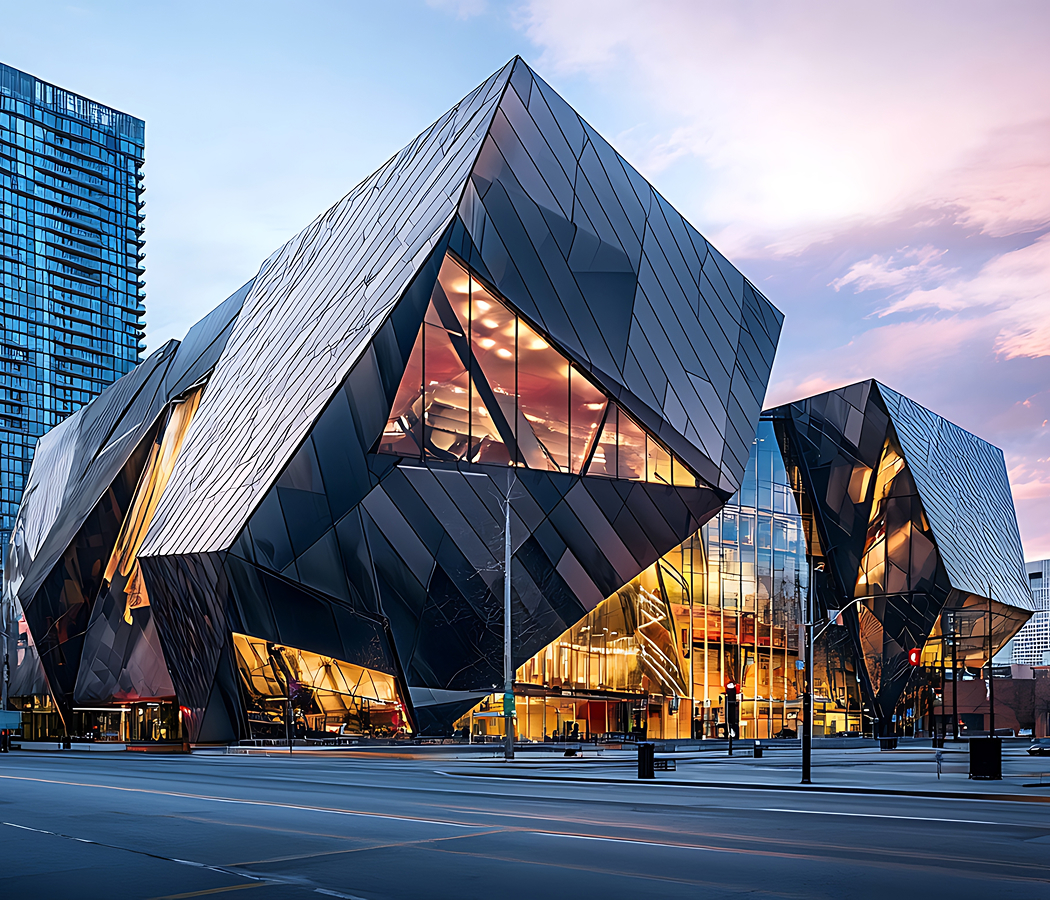
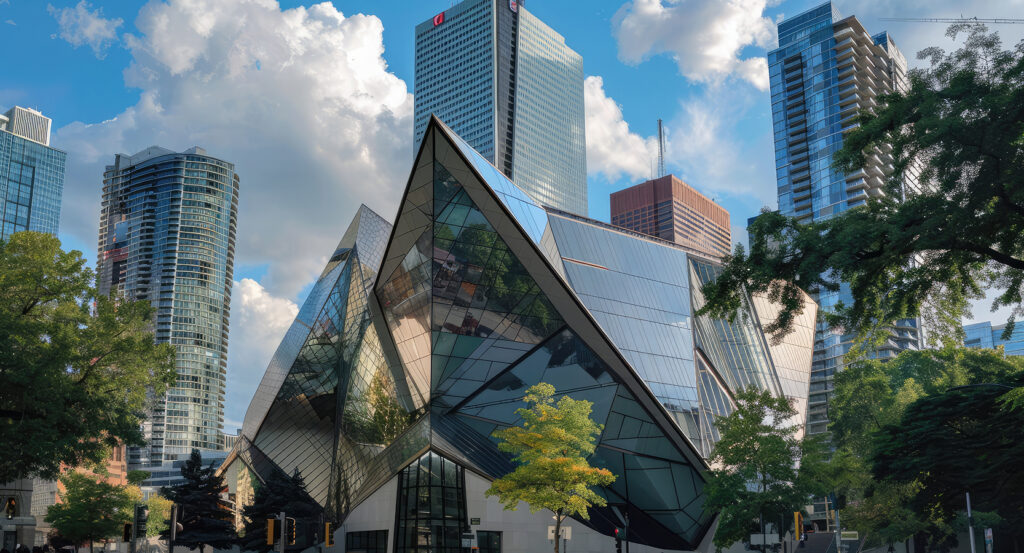
Set inside the Art Gallery of Ontario along Dundas Street West near McCaul Street and just steps from Walker Court, this purpose-built gallery welcomes visitors into luminous exhibition spaces where grand bronzes, intimate plasters, carved stone sculptures, drawings, and prints are displayed beneath carefully calibrated natural light within architecture conceived specifically for Moore's work. Reflective flooring, restrained detailing, and generous spatial proportions create an environment where every sculpture can be appreciated from multiple perspectives while emphasizing the relationship between mass, light, and organic form. Every gallery reflects a shared vision between artist and architect that continues defining the presentation of modern sculpture. The result is a gallery defined by curatorial excellence, architectural sophistication, and one of the world's greatest collections devoted to a single sculptor.
What you should know about Henry Moore Sculpture Centre.
Henry Moore Sculpture Centre is best known for opening on October 26, 1974 following Henry Moore's unprecedented donation of 101 sculptures, 57 drawings, and 150 prints to the Art Gallery of Ontario, a gift that established the world's largest public collection of Henry Moore's artworks and transformed Toronto into an international center for the study and exhibition of modern sculpture. Designed through a close collaboration between Henry Moore and Toronto architect John C. Parkin, the 9,000-square-foot gallery was purpose-built to present Moore's work through abundant natural light and reflective flooring intended to make his grand sculptures appear to float within the space. Since its inauguration, the collection has expanded to more than 900 works, including rare plasters, bronze sculptures, maquettes, direct carvings in stone and wood, sketchbooks, prints, and drawings that collectively document every major stage of Moore's artistic development across more than six decades. The Centre has also served as the foundation for internationally significant exhibitions including The Shape of Anxiety: Henry Moore in the 1930s (2010) and Francis Bacon and Henry Moore: Terror and Beauty (2016), while the AGO's scholarly publications and conservation work have established the institution as one of the world's leading authorities on Moore's artistic legacy. In recognition of the Centre's lasting cultural importance, the City of Toronto proclaimed November 13, 2024 as Henry Moore Day during the gallery's fiftieth anniversary celebrations.
Beyond preserving Moore's artistic legacy, the Centre continues presenting rotating selections that reveal the remarkable breadth of his practice, allowing visitors to experience grand bronzes alongside preparatory studies, working models, graphic works, and intimate carvings that illuminate his creative process. The architectural collaboration between Moore and Parkin remains central to the experience, with carefully controlled daylight continuously transforming the appearance of each sculpture throughout the day while reinforcing Moore's fascination with landscape, organic form, and the human figure. Rotating installations ensure that different aspects of the collection remain accessible while supporting ongoing research, conservation, and public interpretation. Every visit demonstrates how visionary philanthropy, architectural collaboration, and scholarly stewardship combined to establish one of the world's most influential sculpture galleries.
How to fold Henry Moore Sculpture Centre into your trip.
Henry Moore Sculpture Centre works as the sculptural centerpiece of an exploration through the Art Gallery of Ontario and Grange Park.
Begin at Walker Court, where the Art Gallery of Ontario's dramatic central gathering space establishes the architectural character of the museum before continuing into Henry Moore Sculpture Centre. Continue to Grange Park, where Moore's celebrated Large Two Forms anchors one of Toronto's defining public sculpture settings. Conclude at The Grange, whose preserved nineteenth-century residence provides a memorable finale celebrating the evolution of art, architecture, and cultural history in Downtown. The progression moves naturally from the museum's architectural heart to the world's foremost public Henry Moore collection before concluding through two defining cultural treasures, revealing why Henry Moore Sculpture Centre remains among the international benchmarks for modern sculpture.
Where your story begins.
Foresyte Travel reveals places that feel extraordinary long before you arrive.
Experience premium editorial crafted for luxury travelers.