Why you should experience Boulton Avenue in Toronto, Ontario.
Boulton Avenue is a resilient corridor where Leslieville's industrial heritage, residential craftsmanship, entrepreneurial spirit, and enduring neighbourhood character define one of Toronto's most authentic east-end streets.
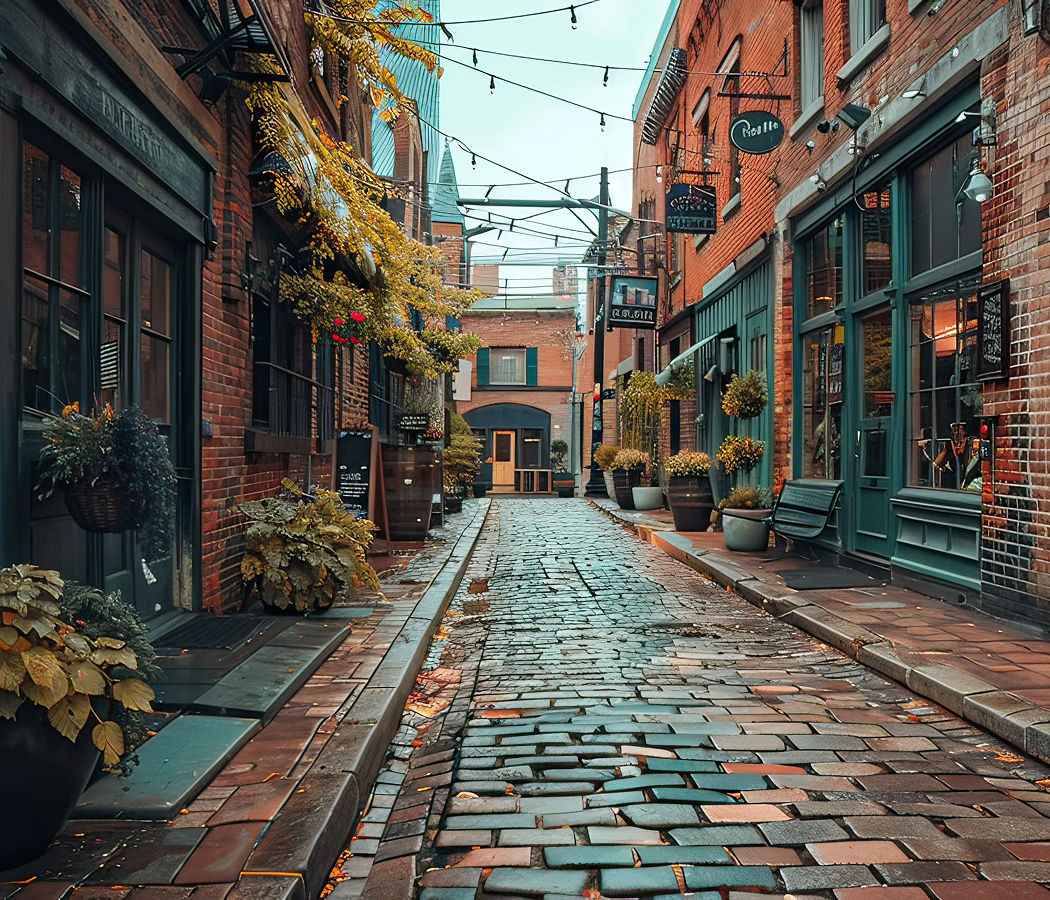
Running through Leslieville between Riverside and South Riverdale, the corridor connects former factory districts, streetcar-era residential blocks, neighbourhood institutions, and longstanding commercial streets that collectively reflect Toronto's transition from nineteenth-century industry to a thriving urban community. Successive blocks reveal how manufacturing investment, electric transit, skilled residential construction, and community growth shaped a cohesive streetscape that continues expressing Leslieville's distinctive character. Throughout the corridor, historic brick homes, mature boulevard trees, and carefully preserved streets reinforce more than a century of architectural continuity. The result is an experience defined by craftsmanship, continuity, and one of Toronto's most engaging residential corridors.
What you should know about Boulton Avenue.
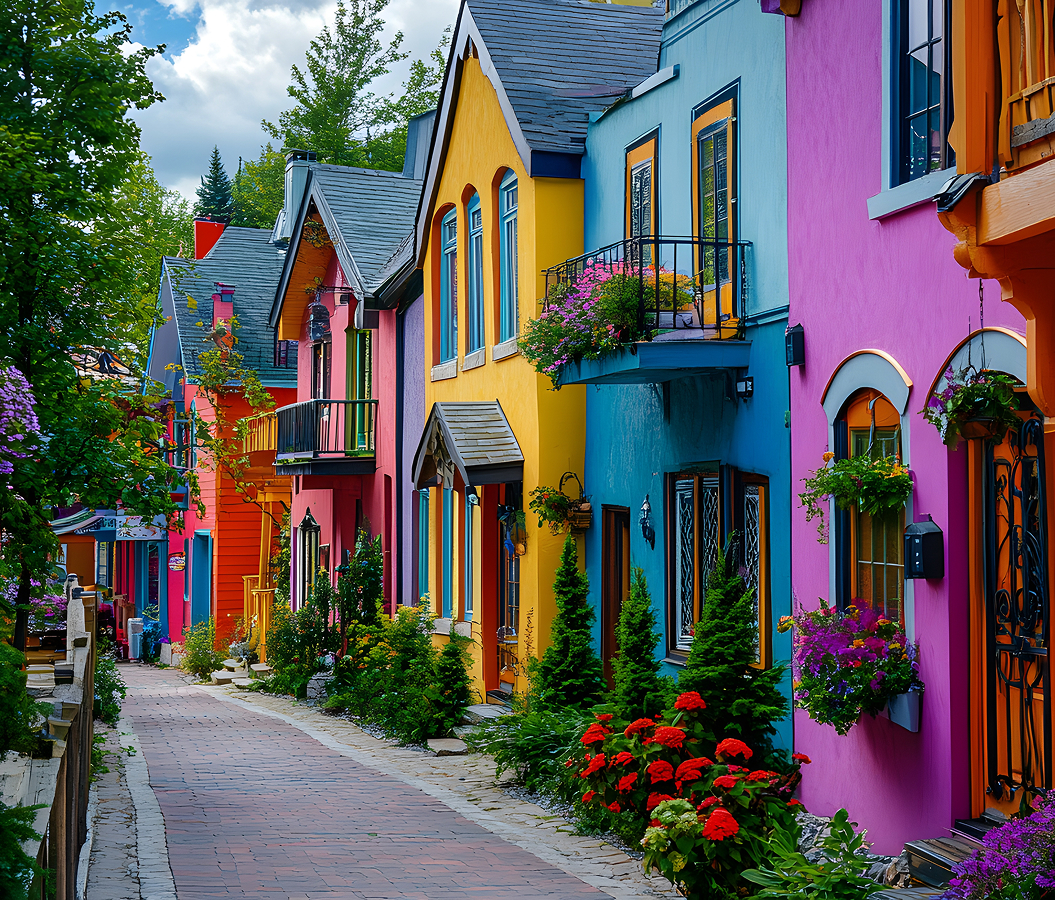
Boulton Avenue is best known for developing during the 1880s, 1890s, and early 1900s as residential subdivision accompanied the rapid industrialization of Toronto's eastern waterfront. Expansion of the Toronto Railway Company streetcar network along Queen Street East, Eastern Avenue, and Carlaw Avenue strengthened connections between manufacturing districts, commercial corridors, and the city's growing residential neighbourhoods, encouraging sustained house construction throughout Leslieville. Builders introduced cohesive collections of Victorian, Edwardian Classical, Bay-and-Gable, and Arts and Crafts residences distinguished by red brick masonry, segmental brick arches, limestone lintels, decorative corbelling, stained-glass transoms, projecting bays, and finely crafted wood verandas that continue defining the avenue's architectural character. Planned residential lots incorporated rear laneways, landscaped setbacks, boulevard tree planting, and consistent building alignments that reflected late nineteenth-century subdivision practices while complementing the surrounding industrial economy. Together, these subdivision patterns, transportation investments, architectural traditions, residential planning principles, and manufacturing expansion established Boulton Avenue as one of Leslieville's defining residential corridors.
Growth of the Toronto Brick Company and neighbouring manufacturing enterprises supplied building materials and employment that supported sustained residential expansion throughout Toronto's east end during the late nineteenth and early twentieth centuries. Establishment of Leslieville Public School strengthened the surrounding district through expanded public education while serving generations of families drawn to the neighbourhood by nearby industrial employment and commercial opportunity. Stewardship by City of Toronto Heritage Preservation Services continues protecting original masonry, decorative woodwork, historic rooflines, stained-glass details, and cohesive residential streetscapes through conservation policies that preserve Boulton Avenue's historic character. Collectively, these industrial enterprises, educational investments, municipal preservation initiatives, and community development efforts demonstrate how Boulton Avenue has retained the physical character established during Leslieville's period of industrial growth.
How to fold Boulton Avenue into your trip.
Boulton Avenue works as an exploration of Leslieville's industrial heritage, creative culture, and east-end character.
Begin at Jimmie Simpson Park, where broad green spaces, mature trees, recreation facilities, and one of the neighbourhood's best-loved gathering places introduce the community spirit that continues defining Leslieville while establishing a relaxed starting point for the outing. Continue to The Opera House, where a beautifully preserved nineteenth-century theatre building and an active live music calendar deepen appreciation for the area's longstanding cultural life before drawing the experience toward Queen Street East. Conclude at Morse Street School, where one of Leslieville's best-preserved nineteenth-century school buildings provides the historical payoff by illustrating the civic institutions that matured alongside the surrounding residential streets during the neighbourhood's formative decades. Together, the sequence moves from community gathering space to cultural expression before culminating in a lasting symbol of Leslieville's civic development, revealing the enduring character that defines Boulton Avenue.
Where your story begins.
Foresyte Travel reveals places that feel extraordinary long before you arrive.
Experience premium editorial crafted for luxury travelers.