Why you should experience City Park in Dallas, Texas.
City Park in Dallas is a time portal, a living window into the soul of 19th-century Texas, where wooden porches creak beneath your feet and the scent of cedar mingles with nostalgia.
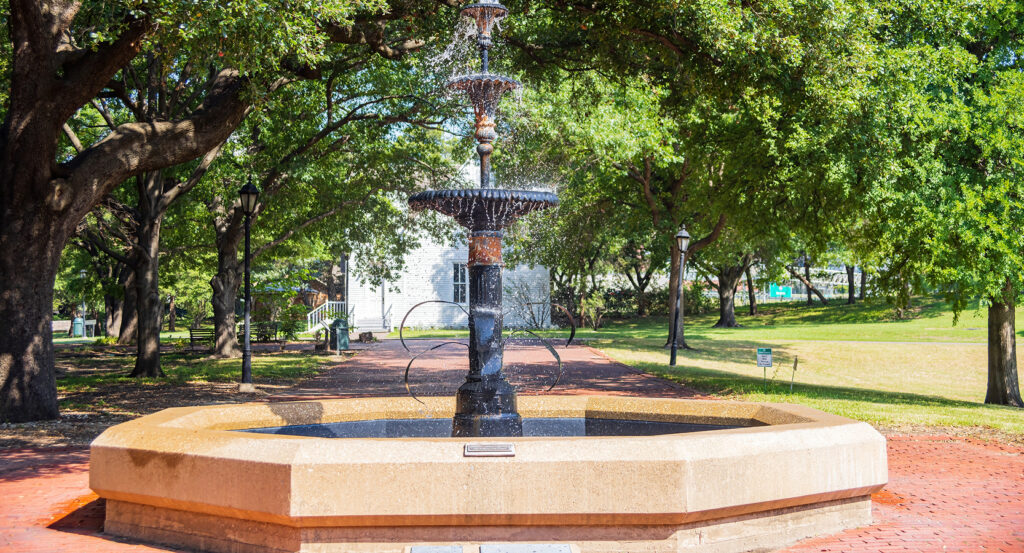
Set within the oak-shaded grounds of Old City Park, this immersive historical village recreates the life and rhythm of Dallas from the 1840s to the early 1900s. More than thirty restored buildings, from log cabins and schoolhouses to elegant Victorian homes, line dusty pathways that meander through the park's rolling landscape. Everywhere you look, history feels tangible: horse-drawn carriages rest beside barns, blacksmiths hammer red-hot iron into shape, and interpreters in period dress share stories of frontier hardship and hope. The Miller House, a stately two-story Victorian, glows with detail, lace curtains, oil lamps, and the quiet echo of family life preserved in amber. Nearby, the General Store still sells old-fashioned candies and handmade crafts, keeping the charm alive for new generations. Beneath the live oaks and songbirds, City Park feels less like a museum and more like a living heartbeat, a space where time slows, and the foundations of Texas come quietly back to life.
What you should know about City Park.
Behind its peaceful charm lies a story of rescue, community, and vision that helped preserve Dallas's vanishing past.
The village began humbly in the 1960s, when a group of local preservationists banded together to save the Millermore Mansion, a pre-Civil War Greek Revival home slated for demolition. Their success sparked a movement, leading to the creation of Old City Park as a haven for threatened historical structures across North Texas. Over the next decades, dozens of buildings were relocated here, meticulously restored, and arranged into a walkable timeline of settlement, commerce, and growth. Each structure tells a story, from a pioneer cabin that speaks of survival to the Depot that once connected Dallas to the wider world. But the Village's magic lies not only in preservation, but in participation: schoolchildren churn butter, blacksmiths fire forges, and families gather for heritage festivals that turn history into shared experience. In recent years, the site has also deepened its storytelling, bringing attention to the overlooked narratives of freedmen, immigrants, and women who shaped Dallas from the margins. What began as a preservation effort has evolved into a cultural compass, one that honors not just what was built, but who built it.
How to fold City Park into your trip.
To experience City Park is to trade skyscrapers for chimneys, and deadlines for the rhythm of a rocking chair on a summer porch.
Start the visit in the morning, when the sun filters through the oaks and the air still carries the cool of dawn. Wander the boardwalks and pause to peek inside the historic homes, each one furnished to reflect the textures of everyday life from a century ago. Visit the working farm to see heritage breeds of livestock, or watch the blacksmith craft tools the old-fashioned way. The on-site interpreters are storytellers at heart, ask them about the settlers, craftspeople, and families who once lived as these buildings now suggest. Plan the trip around one of the seasonal festivals, from the beloved Candlelight Celebration in winter to heritage fairs in spring, when music, lanterns, and food fill the grounds. Pair your visit with a short walk to the nearby Farmers Market district or Deep Ellum for a contrast of old and new. City Park isn't about escape, it's about connection, an invitation to stand still and listen to the echoes of where Texas began.
Where your story begins.
Foresyte Travel reveals places that feel extraordinary long before you arrive.
Experience premium editorial crafted for luxury travelers.