Why Darrah Hall matters.
Darrah Hall is a preserved historic building where St. Helena Island's Reconstruction history, African American education, and the pursuit of freedom remain at the heart of one of the South Carolina Lowcountry's most nationally significant cultural landscapes.
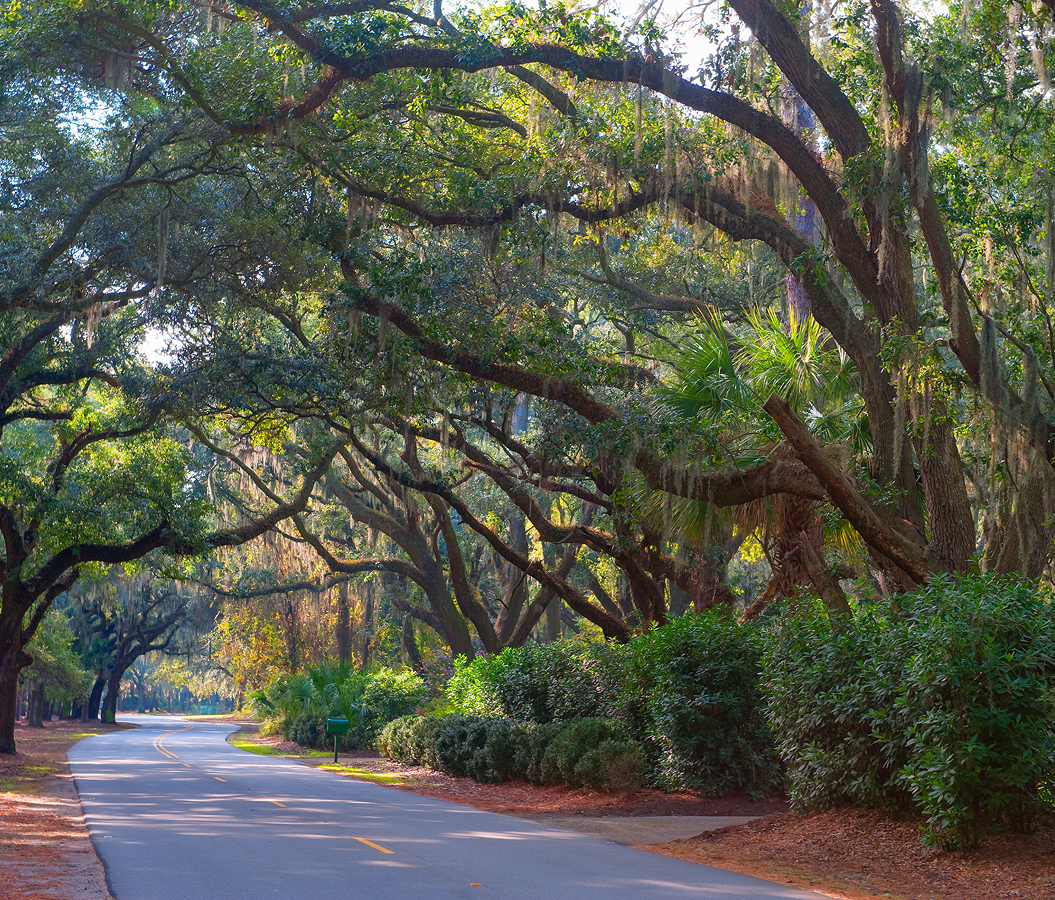
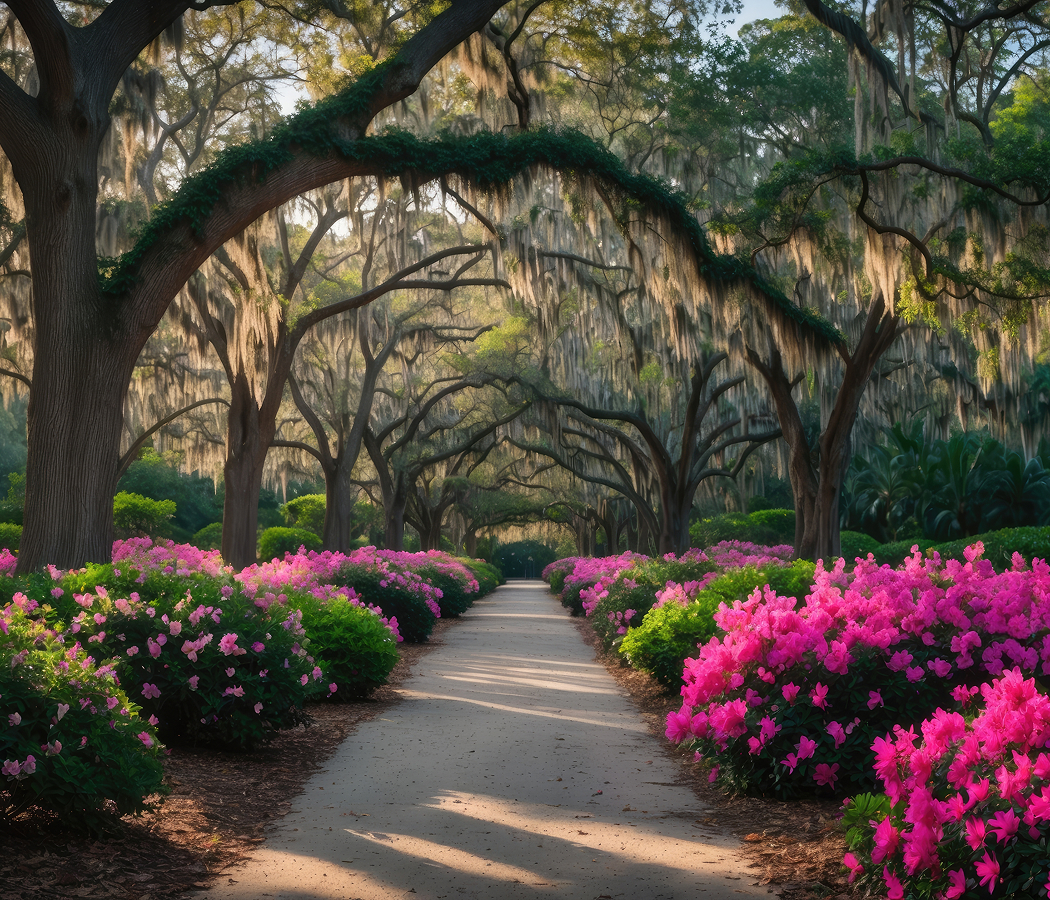
Set along Martin Luther King Jr. Drive near Penn Center Circle and just steps from Penn Center, this carefully preserved nineteenth-century structure welcomes visitors through interpretive exhibits and historic grounds that illuminate the transformative decades following the Civil War. Mature live oaks, preserved campus buildings, and the surrounding Sea Islands landscape create an atmosphere where education, citizenship, and community leadership continue defining the site's national importance. The result is an experience defined by historical discovery, educational legacy, and the enduring story of Reconstruction in America.
What defines Darrah Hall.
Darrah Hall is best known as the oldest surviving building at Penn Center, originally constructed 1900 as one of the principal classroom buildings of the Penn Normal, Industrial, and Agricultural School, the pioneering institution founded in 1862 to educate formerly enslaved people during the Port Royal Experiment, the nation's first large-scale federal effort to prepare emancipated African Americans for freedom following the Union capture of Port Royal Sound in 1861. Established by northern missionaries Laura Matilda Towne and Ellen Murray, Penn School became one of the first schools in the South dedicated to the education of formerly enslaved children and adults, evolving into a nationally influential center for academic instruction, vocational education, teacher training, public health, and community leadership throughout the Reconstruction era and beyond. Darrah Hall later became the administrative heart of Penn Center after the school transitioned into a community institution during the twentieth century, continuing its mission of preserving Gullah Geechee culture, expanding educational opportunity, and supporting civil rights initiatives. The building also occupies an important place in the modern Civil Rights Movement, as Penn Center hosted Dr. Martin Luther King Jr. and the Southern Christian Leadership Conference during strategic planning retreats throughout the 1960s while providing a secure setting away from public attention. Designated part of Reconstruction Era National Historical Park in 2017, Darrah Hall now interprets the national significance of Reconstruction, emancipation, African American education, citizenship, and constitutional change through one of the country's most important surviving Reconstruction landscapes. Continued preservation ensures Darrah Hall remains a powerful symbol of education, resilience, and the ongoing pursuit of equality that reshaped the United States following the Civil War.
Historic classrooms, preserved campus grounds, and nationally significant interpretation allow visitors to experience the place where education became one of the strongest foundations for freedom during Reconstruction. Together, with the surrounding Penn Center campus, Darrah Hall offers one of the nation's most meaningful opportunities to understand the lasting influence of Reconstruction, Gullah Geechee heritage, and the continuing struggle for civil rights.
How Darrah Hall fits.
Darrah Hall works as the centerpiece of an exploration through St. Helena Island's nationally significant Reconstruction and Gullah Geechee heritage.
Begin at Penn Center, where exhibits introduce the Port Royal Experiment, Gullah Geechee culture, and the institution's educational legacy before continuing to Darrah Hall. Continue to Brick Baptist Church, whose nineteenth-century congregation expands appreciation for African American community leadership following emancipation. Conclude at Fort Fremont Preserve, where preserved coastal defenses provide a memorable finale connecting Reconstruction-era history with the broader military history that reshaped the South Carolina Lowcountry after the Civil War. The progression moves naturally from educational history to community leadership before concluding with the military landscape that helped make Reconstruction possible.
Where your story begins.
Foresyte Travel reveals places that feel extraordinary long before you arrive.
Enjoy editorial crafted for luxury travelers.
Foresyte may earn a commission when you book.