Why you should experience Dolph Briscoe Center for American History in Austin, Texas.
Dolph Briscoe Center for American History is a historical archive and museum where presidential legacies, outlaw photographs, civil rights records, and the raw machinery of American memory sit preserved beneath the University of Texas skyline.
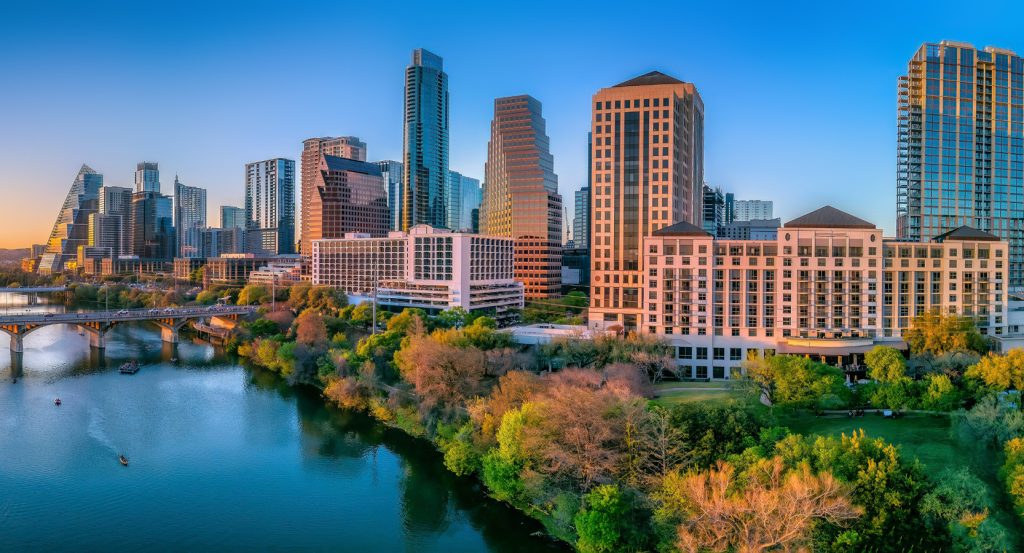
Along Red River Street near the University of Texas campus and the intellectual core shaping much of Central Austin, this quietly powerful institution houses vast collections of photographs, manuscripts, recordings, political archives, historical artifacts, and exhibitions that trace the contradictions, ambitions, violence, culture, and mythology woven through American history itself. The atmosphere feels contemplative and unexpectedly cinematic. Researchers move silently between collections, old photographs freeze entire eras behind glass, and the building carries the weight of stories large enough to shape national character while remaining tucked almost invisibly beside one of the busiest campuses in Texas. The Briscoe Center does not flatten history into entertainment. The archives preserve complexity, tension, and humanity all at once.
What you should know about Dolph Briscoe Center for American History.
Dolph Briscoe Center for American History houses one of the nation's most significant collections of American historical material, with particularly deep ties to Texas history, journalism, politics, photography, music, and the American South and Southwest.
The scope of the archives is staggering once you begin understanding what exists inside the collection. Presidential papers, civil rights documentation, war photography, rare recordings, investigative journalism archives, Texas political history, and massive photographic collections all sit preserved within the center. Some of the institution's most striking materials come through visual history itself. Iconic photographs capturing segregation, protest movements, frontier mythology, musicians, presidents, and moments of national upheaval transform the exhibitions into something emotionally immersive. The University of Texas location strengthens everything further because the center operates within one of the country's major public research institutions, connecting scholarship, journalism, and historical preservation directly into Austin's intellectual and cultural ecosystem.
How to fold Dolph Briscoe Center for American History into your trip.
Dolph Briscoe Center for American History works beautifully for slower afternoons, museum-focused days, university exploration, or moments when you want Austin to feel intellectually and culturally expansive beyond food and nightlife.
Move slowly through the exhibitions because the strongest moments often come from smaller artifacts, photographs, handwritten notes, or archival details that suddenly collapse enormous periods of history into something startlingly human. Pair the visit naturally with UT campus walks, nearby museums, coffee shops, or bookstore browsing around Central Austin. The quieter pacing creates a strong contrast against the louder rhythm of downtown and East Austin nightlife later in the evening. Then allow the historical weight of the collections to settle gradually around you. Faces from another century stare outward through old photographs, fragments of American history unfold document by document, and the entire building begins feeling less like a museum and more like a vault preserving the country's collective memory in all its brilliance, tragedy, ambition, and contradiction.
Where your story begins.
Foresyte Travel reveals places that feel extraordinary long before you arrive.
Experience premium editorial crafted for luxury travelers.