Why Fort Frederick Heritage Preserve matters.
Fort Frederick Heritage Preserve is a preserved colonial military site where Port Royal's eighteenth-century frontier history, British coastal defense, and Lowcountry landscapes protect one of South Carolina's earliest surviving fortification sites.
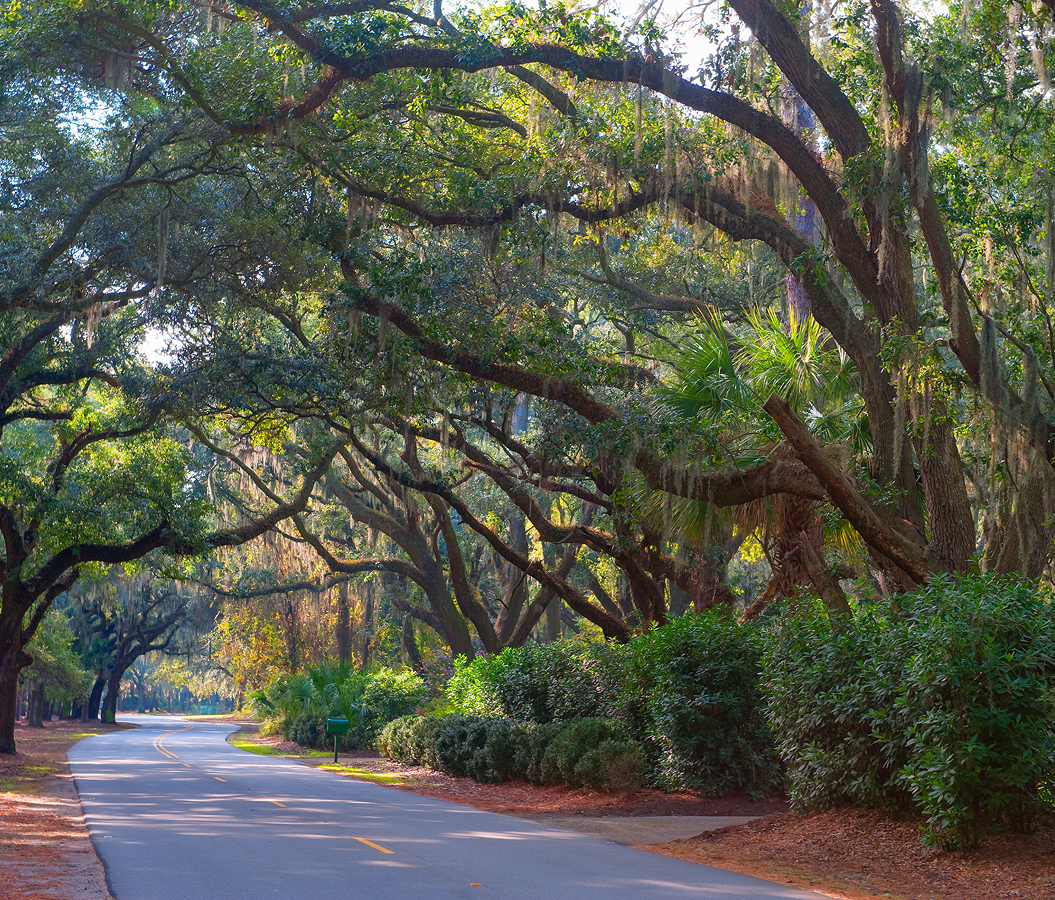
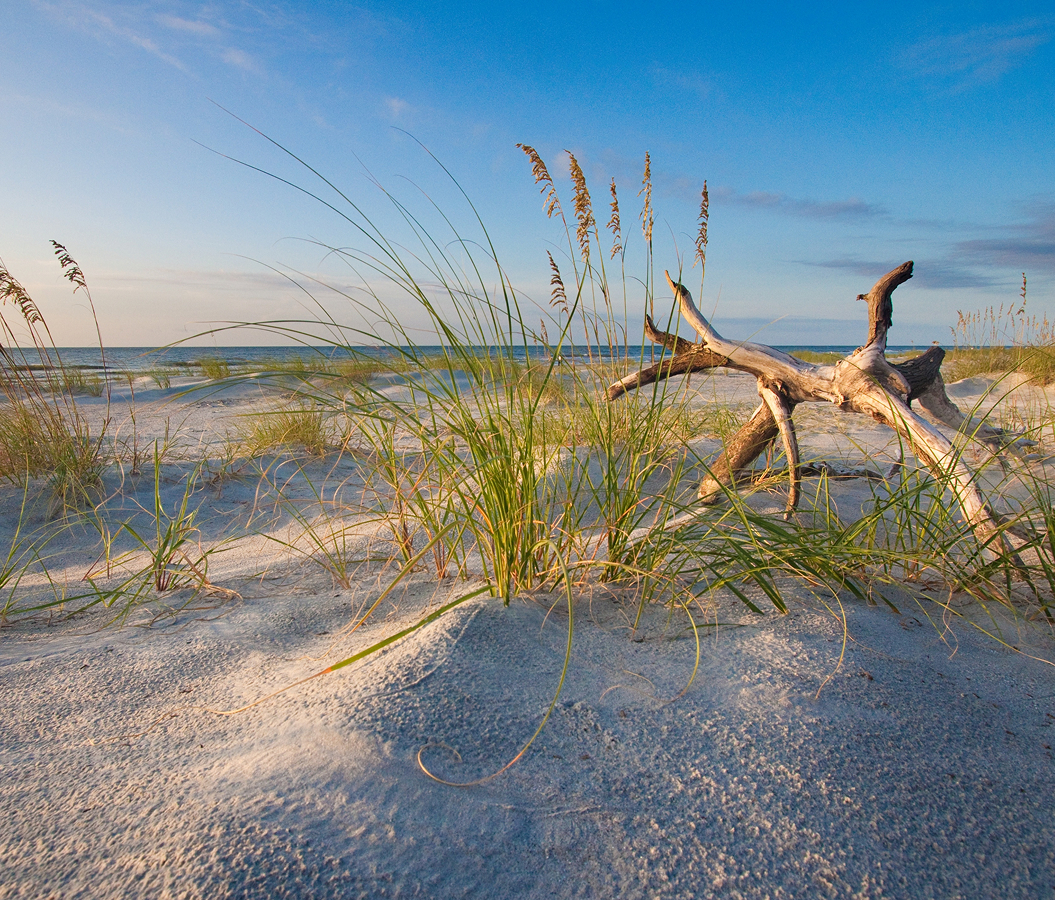
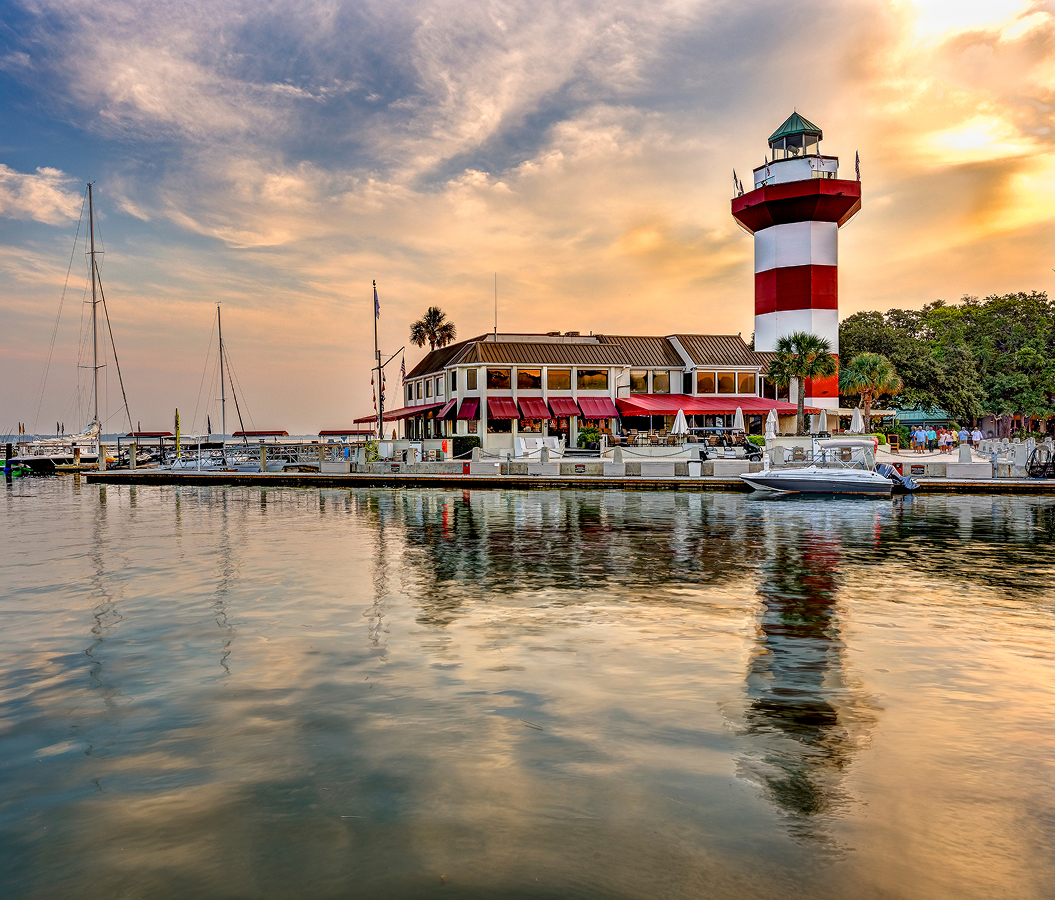
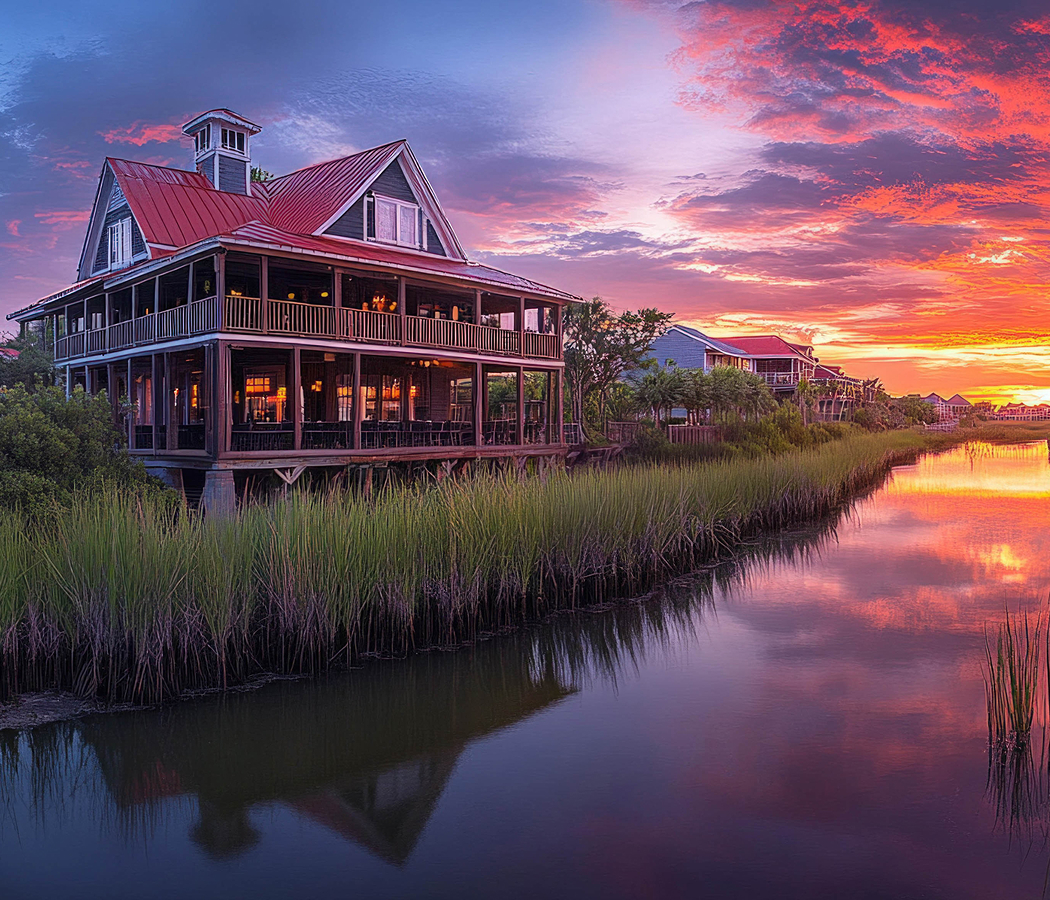
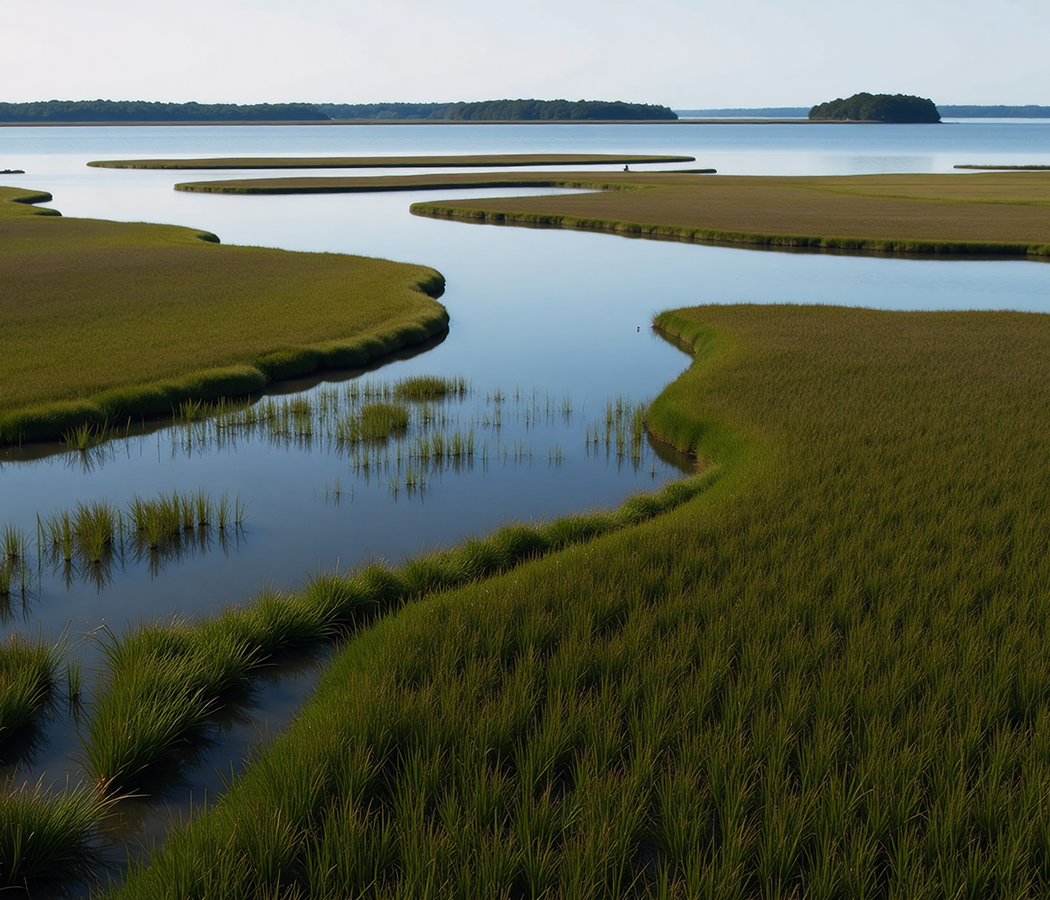
Set along Old Fort Road near Ribaut Road and overlooking the Beaufort River, this peaceful heritage preserve welcomes visitors through wooded walking trails, interpretive exhibits, archaeological remains, and scenic waterfront views surrounding the location of an important colonial fortification. Mature live oaks, tidal marshes, and quiet riverfront landscapes create an atmosphere where military history and the natural beauty of the South Carolina Lowcountry remain closely connected. The result is an experience defined by colonial history, archaeological preservation, and waterfront exploration.
What defines Fort Frederick Heritage Preserve.
Fort Frederick Heritage Preserve is best known for preserving the archaeological remains of Fort Frederick, a British fortification constructed between 1733 and 1735 under the direction of Governor Robert Johnson to defend the southern frontier of the Province of South Carolina during a period of increasing imperial rivalry with Spanish Florida. Built only a few years after the founding of nearby Savannah in 1733 and the establishment of Georgia as Britain's newest colony, the fort occupied a commanding position overlooking the Beaufort River, where its tabby walls, bastions, barracks, powder magazine, and defensive earthworks protected the important settlement of Port Royal and monitored maritime traffic entering Port Royal Sound. Constructed using tabby, the durable coastal concrete formed from burned oyster shells, sand, lime, water, and shell aggregate, Fort Frederick reflects one of the defining building technologies of the colonial Lowcountry while preserving evidence of eighteenth-century military engineering adapted to the coastal environment. Although the fort never experienced a major siege and gradually lost strategic importance as Britain's southern defenses evolved, archaeological investigations have uncovered portions of its original foundations and provided valuable insight into colonial military construction, daily garrison life, and the broader geopolitical struggle among Britain, Spain, and France for control of the southeastern Atlantic coast. Today the preserve protects both the surviving archaeological resources and the surrounding maritime landscape while interpreting the colonial origins of Port Royal, the evolution of coastal defense, and the region's importance within the expanding British Atlantic world. Continued stewardship has established Fort Frederick Heritage Preserve as one of South Carolina's most significant colonial military sites and an essential destination for understanding the earliest chapters of Lowcountry history.
Wooded trails, preserved archaeological features, and sweeping views across the Beaufort River allow visitors to experience the landscape much as British soldiers would have encountered it nearly three centuries ago. Together, with the surrounding tidal marshes and historic waterfront, the preserve offers a compelling perspective on how geography, military strategy, and colonial settlement shaped the development of the South Carolina Lowcountry.
How Fort Frederick Heritage Preserve fits.
Fort Frederick Heritage Preserve works as part of an exploration through Port Royal's colonial history and waterfront landscapes.
Begin at Cypress Wetlands, where boardwalks and wildlife introduce the natural environments that shaped early settlement before continuing to Fort Frederick Heritage Preserve. Continue to The Sands, where expansive waterfront views deepen appreciation for Port Royal Sound's strategic maritime geography. Conclude at Parris Island Museum, where exhibits tracing more than four centuries of regional military history provide a memorable finale connecting colonial fortifications with the continuing military significance of the South Carolina Lowcountry. The progression moves naturally from coastal ecology to colonial defense before concluding with the broader military history of the region.
Where your story begins.
Foresyte Travel reveals places that feel extraordinary long before you arrive.
Enjoy editorial crafted for luxury travelers.
Foresyte may earn a commission when you book.