Why Galapago Street matters.
Galapago Street is a resilient corridor where Baker's Victorian heritage, industrial legacy, creative reinvention, and enduring neighborhood character reveal one of Central Denver's most distinctive urban streets.
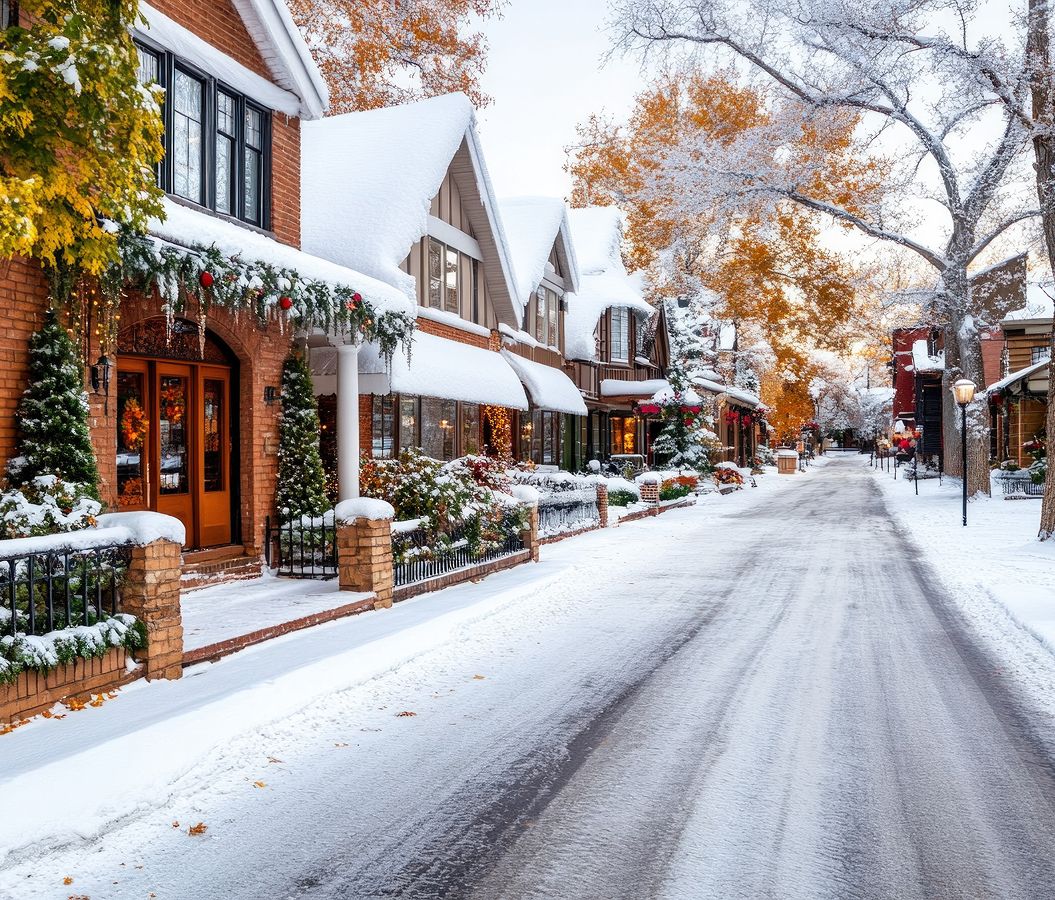
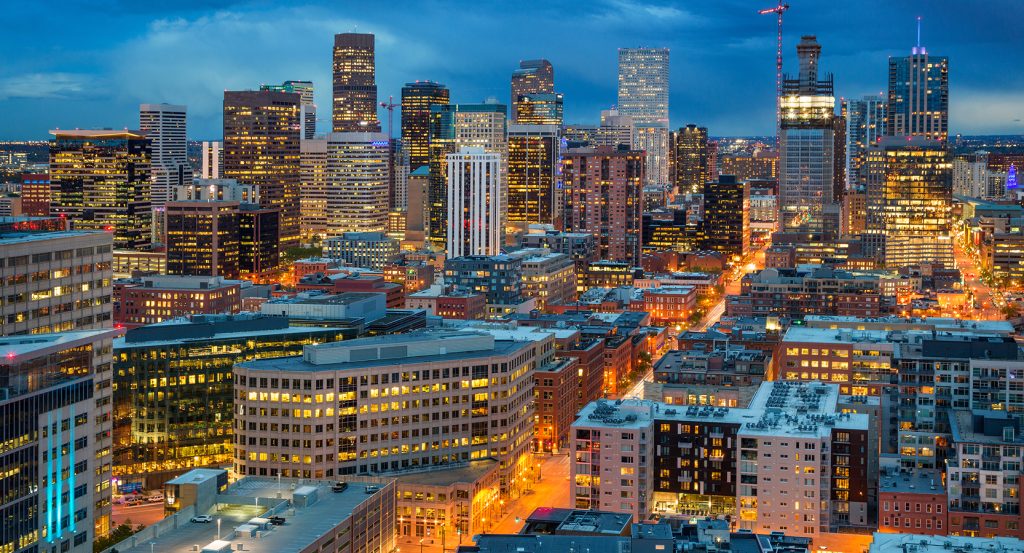
Running through Baker between Lincoln Park and Overland, Galapago Street links historic residential blocks, adaptive reuse projects, neighborhood parks, and long-established commercial corridors that together demonstrate more than a century of urban evolution south of Downtown. Rows of nineteenth-century brick houses, mature street trees, converted industrial buildings, and thoughtfully integrated contemporary infill produce a streetscape where preservation and renewal coexist. The corridor reaches its defining character where architectural continuity, entrepreneurial investment, and community stewardship reinforce one another across successive generations. The result is an experience defined by authenticity, craftsmanship, and Baker's enduring ability to evolve while honoring its past.
What defines Galapago Street.
Galapago Street is best known for developing alongside Baker's rapid expansion during the 1880s and 1890s, when streetcar access encouraged one of Denver's earliest suburban neighborhoods beyond the original downtown grid. Residential construction introduced enduring collections of Queen Anne, Italianate, Denver Square, and Craftsman architecture whose brick façades, ornamental cornices, stone lintels, and raised front stoops continue defining much of the corridor's historic streetscape. Baker was listed on the National Register of Historic Places as the Baker Historic District in 1985, recognizing hundreds of contributing late nineteenth- and early twentieth-century buildings that collectively document Denver's Victorian-era growth. Successive rehabilitation efforts preserved original masonry, decorative woodwork, stained glass, and historic streetscapes while allowing carefully integrated infill development that maintains the corridor's architectural continuity.
Industrial activity along the nearby South Platte River and Santa Fe Drive supported generations of residents employed by railroads, warehouses, foundries, and manufacturing enterprises, firmly connecting Galapago Street to Denver's broader economic expansion during the late nineteenth and early twentieth centuries. Adaptive reuse transformed numerous former commercial and industrial buildings throughout Baker into studios, creative workspaces, neighborhood businesses, and housing, demonstrating how historic building stock continues supporting contemporary economic activity. Organizations including Historic Denver and History Colorado have documented and promoted preservation of Baker's Victorian building fabric through research, advocacy, and rehabilitation initiatives that reinforce the corridor's historic character. Together, Baker's industrial heritage, adaptive reinvestment, preservation leadership, and exceptionally intact architecture explain why Galapago Street remains one of Central Denver's most enduring historic corridors.
How Galapago Street fits.
Galapago Street works as an exploration of Baker's architectural heritage, public spaces, and creative evolution.
Begin at Molly Brown House Museum, where meticulously preserved Victorian interiors and the life of Margaret “Molly” Brown introduce the architectural era that shaped much of Baker before naturally leading toward the surrounding historic neighborhood. Continue to Dailey Park, whose mature trees, open lawns, and neighborhood gathering spaces provide a relaxed transition from historic architecture into the living fabric of one of Denver's oldest residential communities. Conclude at the Mayan Theatre, where the celebrated 1930 Art Deco cinema, decorative Mayan Revival design, and enduring role in Denver's independent film culture provide a fitting finale that reflects Baker's continuing commitment to preservation, creativity, and neighborhood identity. The progression moves naturally from Victorian history through community life before culminating in one of Denver's most distinctive surviving neighborhood theaters.
Where your story begins.
Foresyte Travel reveals places that feel extraordinary long before you arrive.
Enjoy editorial crafted for luxury travelers.
Foresyte may earn a commission when you book.