Why you should experience Garden District in New Orleans, Louisiana.
The Garden District isn't just a neighborhood, it's New Orleans' most cinematic expression of beauty and decay, elegance and mystery intertwined beneath ancient oaks.
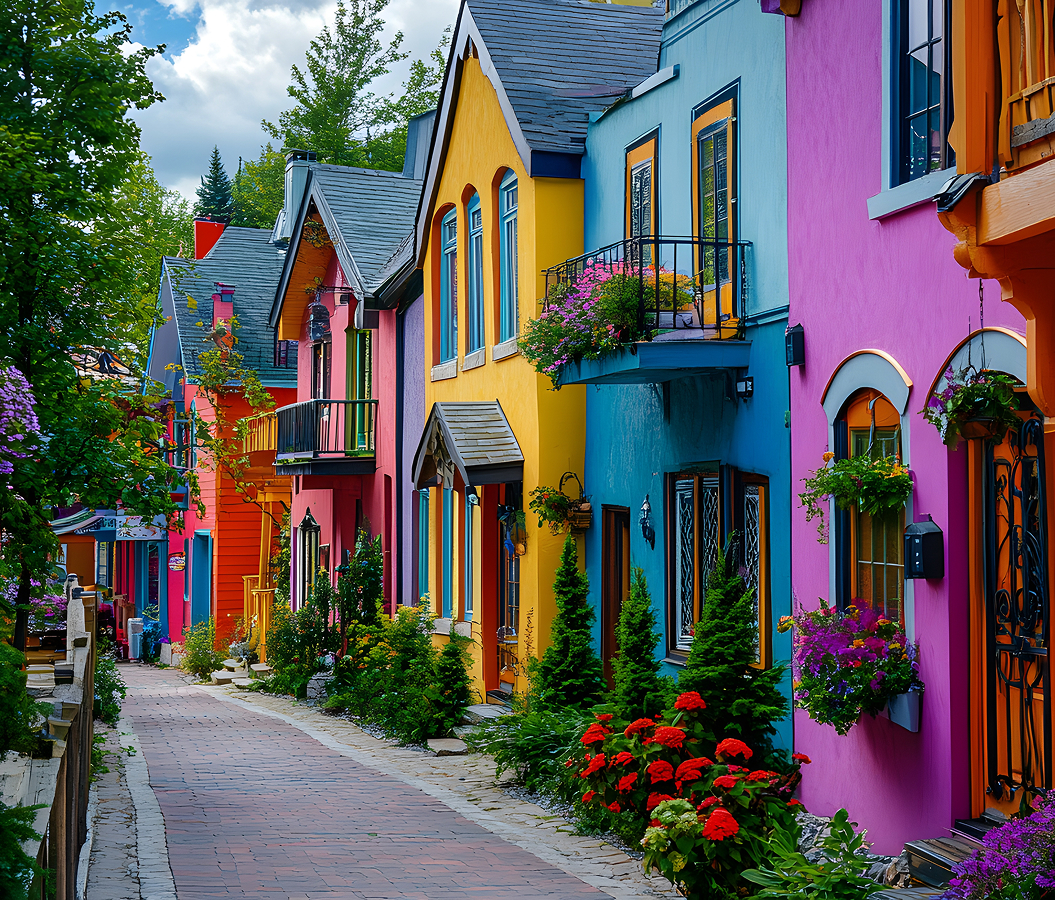
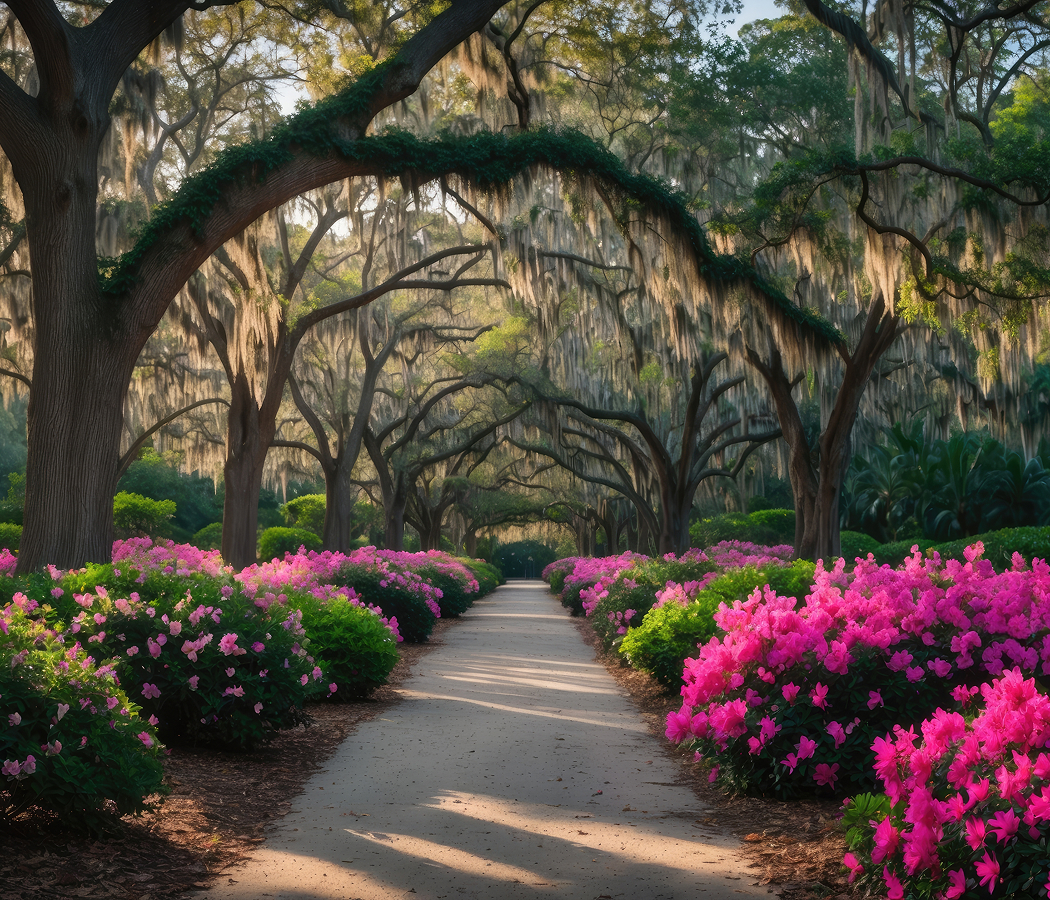
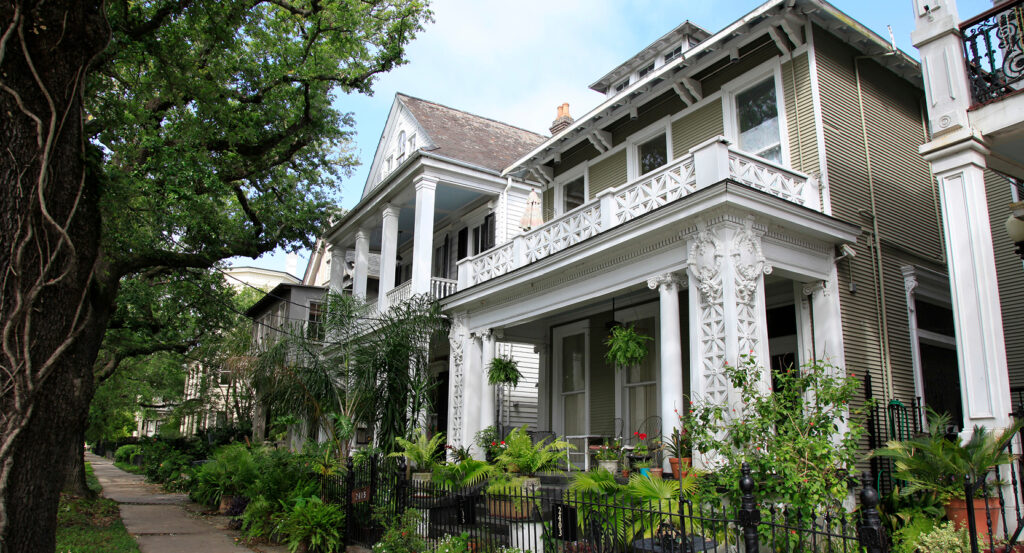
Stretching between St. Charles Avenue and Magazine Street, this 19th-century enclave feels like stepping into another era, where grand antebellum mansions rise behind wrought-iron fences draped in ivy, and time moves to the rhythm of rustling palms and distant streetcars. The sidewalks crack beneath the roots of century-old live oaks, the air hums with magnolia and jasmine, and each block seems designed to make you linger. Colors here don't fade, they soften: coral façades, moss-green shutters, and white columns glowing against the southern light. Residents sit on wide verandas sipping iced tea, while horse-drawn carriages roll past cemeteries, boutiques, and quiet cafés tucked into corner houses. Yet beneath its tranquility, the Garden District vibrates with a haunting sort of romance, the weight of history, the pride of preservation, and the unmistakable heartbeat of New Orleans itself.
What you didn’t know about Garden District.
Behind its stillness lies a story of wealth, independence, and resilience, one that shaped the city's social and architectural identity.
The Garden District was established in the early 1800s, after the Louisiana Purchase, when newly arrived Americans sought to build their own enclave apart from the Creole culture of the French Quarter. Designed by prominent architects like Henry Howard and James Gallier, the neighborhood became a showcase of Greek Revival, Italianate, and Gothic architecture, ornate testaments to ambition and taste. Each mansion sat within a lush garden, earning the area its name and defining its tranquil rhythm. Over time, the district became home to prominent families, artists, and writers drawn to its mix of grandeur and solitude. Even as the rest of New Orleans evolved, through wars, floods, and change, the Garden District remained remarkably intact, protected by fierce local pride and meticulous preservation. Today, many of its homes are museums or landmarks, each with a story: the Buckner Mansion with its ghostly legends, the Payne-Strachan House where Jefferson Davis died, the Commander's Palace serving haute Creole cuisine for generations. The district's enduring grace isn't just aesthetic, it's spiritual, a living testament to the city's refusal to let beauty fade.
How to fold Garden District into your trip.
To experience the Garden District is to walk, slowly, quietly, with your eyes wide open and your phone in your pocket.
Begin at St. Charles Avenue, boarding the historic green streetcar that clatters past live oaks and gilded mansions. Step off at Washington Avenue and wander toward Lafayette Cemetery No. 1, where weathered tombs rise like sculptural relics among vines and silence. From there, stroll through the neighborhood's grid of streets, Prytania, Coliseum, and Magazine, each offering its own rhythm of architecture and life. Stop for brunch or cocktails at Commander's Palace, then continue past the pastel façades and climbing roses that seem to define every frame. Don't rush, the magic of the Garden District lies in its quiet moments: the creak of a gate, the shimmer of light on old glass, the sudden scent of magnolia on the breeze. Visit near sunset, when the sky turns copper and the houses glow like lanterns in the humid air. The Garden District in New Orleans isn't just a neighborhood, it's a reverie, a walk through living history where time softens, beauty endures, and every corner feels like the opening line of a Southern novel.
Where your story begins.
Start your planning journey with Foresyte Travel.
Experience immersive stories crafted for luxury travelers.