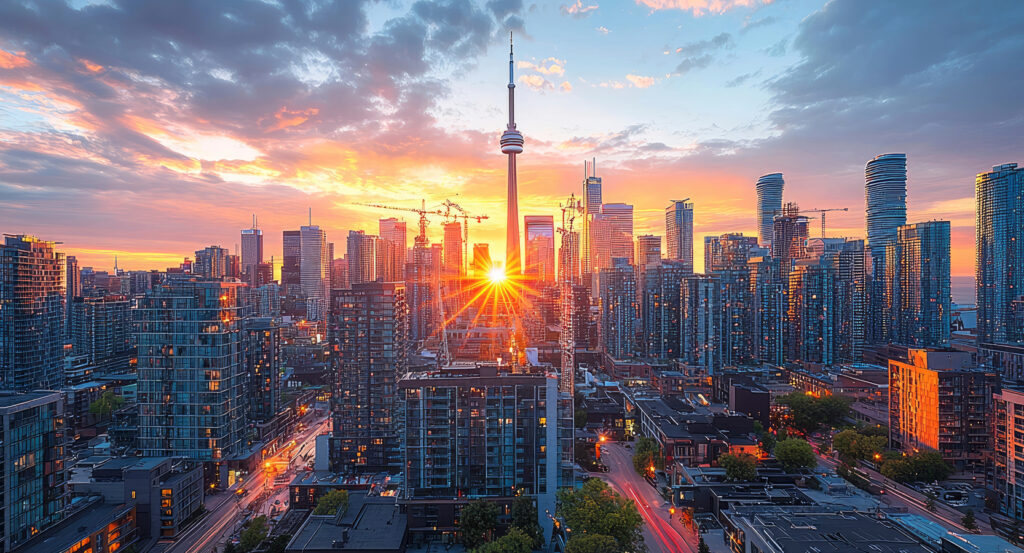
Why you should experience Gloucester Street in Toronto, Ontario.
Gloucester Street is an elegant corridor where Church-Wellesley's Victorian heritage, institutional legacy, cultural expression, and residential character reveal one of Downtown's most enduring historic streets.
Running through Church-Wellesley between Yorkville and the Garden District, the corridor connects nineteenth-century residential streetscapes, landmark civic institutions, established apartment districts, and one of Canada's most influential cultural communities. Successive blocks reveal how estate subdivision, residential architecture, education, healthcare, and rapid transit transformed a quiet nineteenth-century street into an essential part of Toronto's urban core. Throughout the corridor, preserved heritage buildings, mature streetscapes, and longstanding community institutions continue expressing more than 150 years of architectural and social evolution. The result is an experience defined by craftsmanship, continuity, and one of Downtown's most historically layered corridors.
What you should know about Gloucester Street.
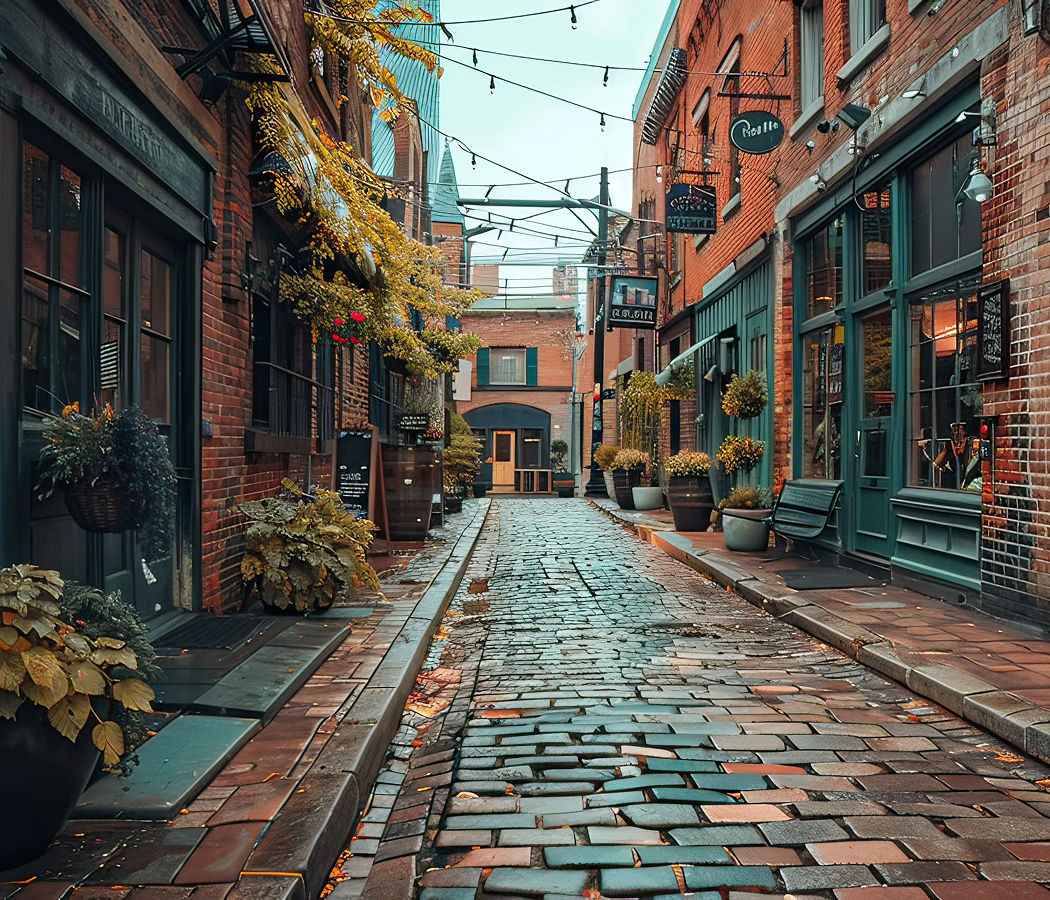
Gloucester Street is best known for emerging during Toronto's nineteenth-century expansion as portions of the former Park Lot estates north of present-day Carlton Street were subdivided into residential building lots following steady population growth beyond the original town. Development accelerated throughout the 1870s, 1880s, and 1890s, introducing substantial Victorian, Second Empire, Edwardian, and Queen Anne Revival houses distinguished by red brick masonry, carved limestone lintels, decorative brick corbelling, slate roofs, stained-glass transoms, projecting bay windows, ornate woodwork, and detailed iron fencing. The corridor's institutional importance expanded with the continued growth of Jarvis Collegiate Institute, founded in 1807 and relocated nearby in Jarvis Street during 1924, while the nearby Toronto General Hospital campus reinforced the district's medical prominence before relocating to University Avenue during the twentieth century. Construction of Gloucester Station on the Bloor-Danforth subway in 1966 permanently strengthened regional accessibility, integrating the corridor into Toronto's expanding rapid transit network while encouraging continued residential investment. Together, these estate subdivisions, architectural traditions, institutional investments, transit improvements, and municipal growth established Gloucester Street as one of Downtown's defining residential corridors.
Creation of Gloucester Mews introduced a carefully planned pedestrian court that preserved portions of the historic streetscape while accommodating sensitive infill development within the existing urban fabric. During the 1970s, the surrounding Church-Wellesley Village emerged as Canada's foremost LGBTQ+ community, establishing community organizations, bookstores, cultural festivals, advocacy groups, and businesses that reshaped the social character of Gloucester Street while preserving its historic residential architecture. Designation of numerous nearby properties on the City of Toronto Heritage Register has protected original masonry façades, decorative stonework, period rooflines, stained glass, ornamental brickwork, and historic streetscape relationships that continue distinguishing the corridor today. Collectively, these planning initiatives, cultural institutions, preservation programs, and community organizations demonstrate how Gloucester Street evolved into a corridor where nineteenth-century architecture and contemporary cultural significance remain inseparably connected.
How to fold Gloucester Street into your trip.
Gloucester Street works as an exploration of Toronto's architectural heritage, civic history, and cultural evolution.
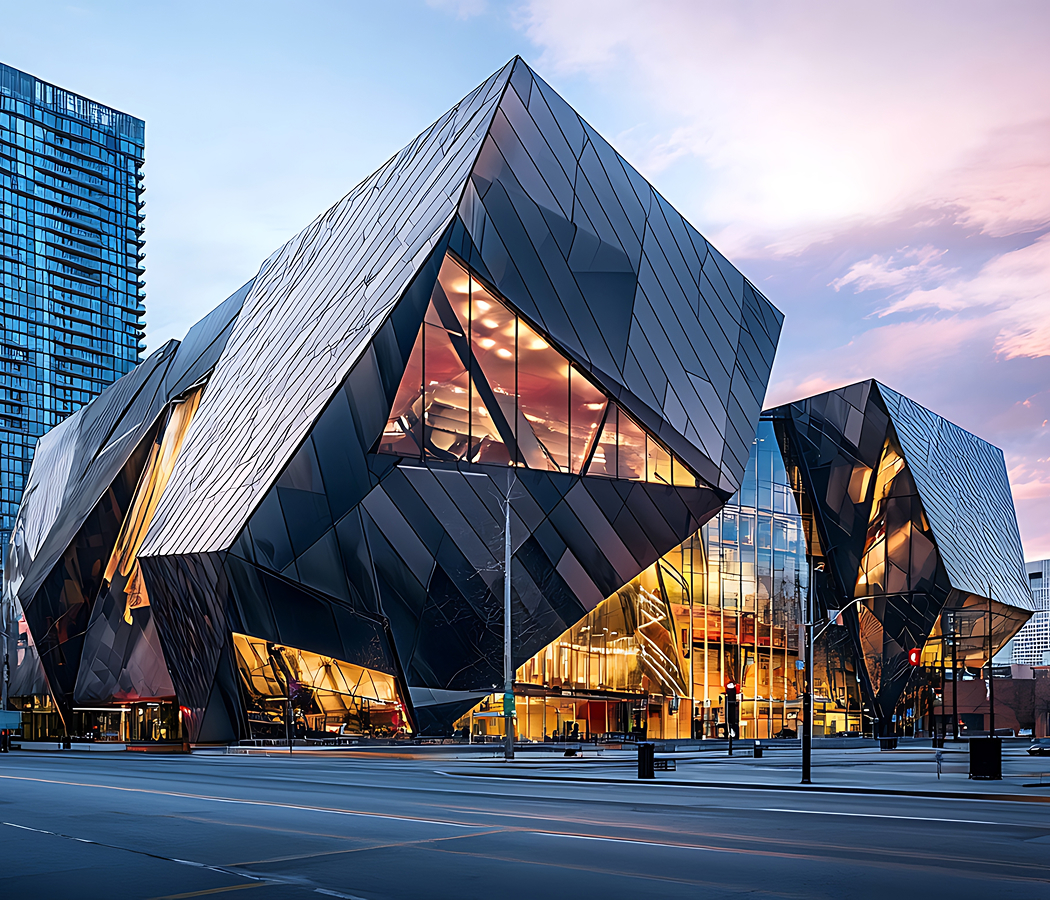
Begin at Allan Gardens Conservatory, where one of Toronto's oldest public gardens introduces the Victorian city that shaped Gloucester Street's earliest residential development. Continue to Church-Wellesley Village, where independent businesses, public art, and longstanding community institutions reflect decades of cultural leadership and neighborhood identity. Conclude at Royal Ontario Museum, whose internationally renowned collections provide the historical culmination by placing Gloucester Street within the broader story of Toronto's artistic, scientific, and civic development. Together, the sequence progresses from Victorian public space to cultural character before culminating in one of Canada's foremost museums, revealing why Gloucester Street remains deeply woven into Toronto's urban history.
Where your story begins.
Foresyte Travel reveals places that feel extraordinary long before you arrive.
Experience premium editorial crafted for luxury travelers.