Why you should experience Grace Street in Toronto, Ontario.
Grace Street is a cultivated corridor where Palmerston-Little Italy's Victorian architecture, immigrant heritage, artistic traditions, and streetcar-era character create one of Toronto's most enduring residential streets.
Running through Palmerston-Little Italy between Kensington Market and Bickford Park, the corridor connects nineteenth-century residential streetscapes, neighborhood institutions, mature tree canopies, and long-established commercial districts that collectively demonstrate Toronto's westward expansion beyond its original city limits. Successive blocks reveal how electric street railways, speculative homebuilding, and successive waves of immigration shaped an avenue whose historic character remains remarkably intact. Throughout the corridor, period houses, community institutions, and established neighborhood patterns continue expressing more than a century of architectural continuity and cultural change. The result is an experience defined by craftsmanship, neighborhood identity, and one of Toronto's most rewarding historic corridors.
What you should know about Grace Street.
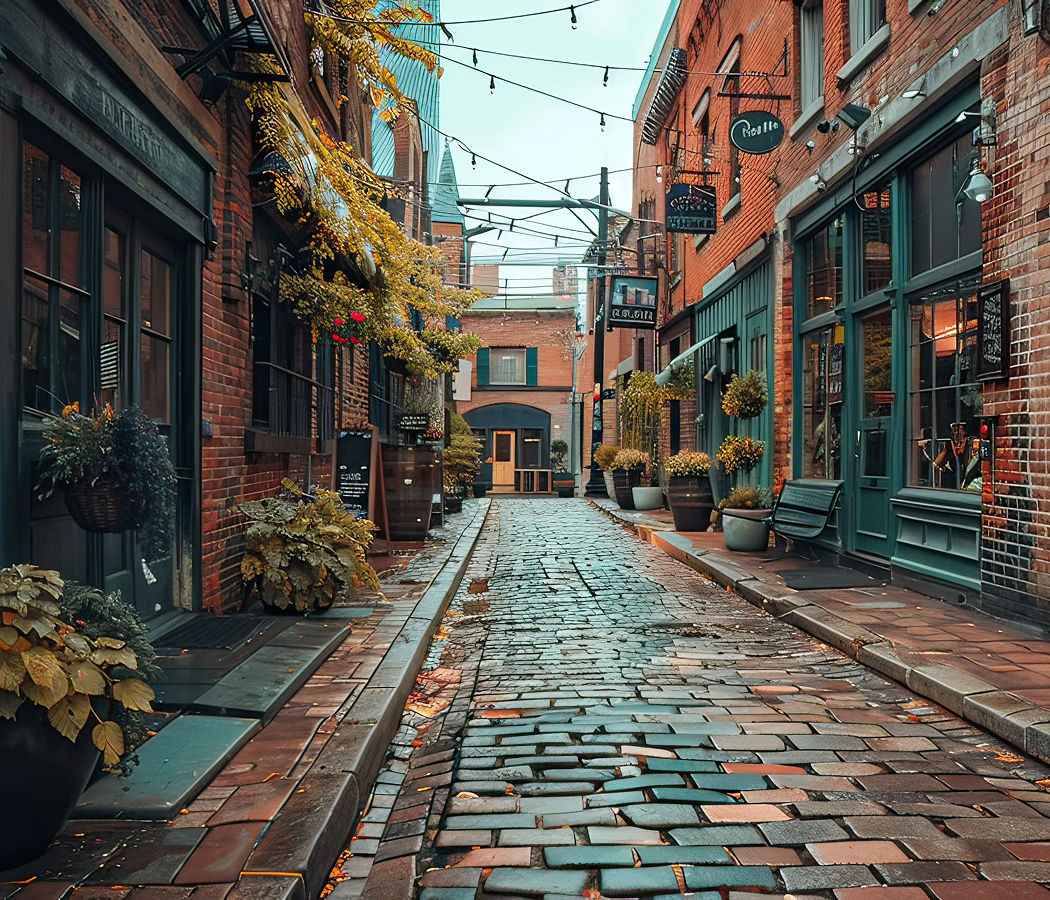
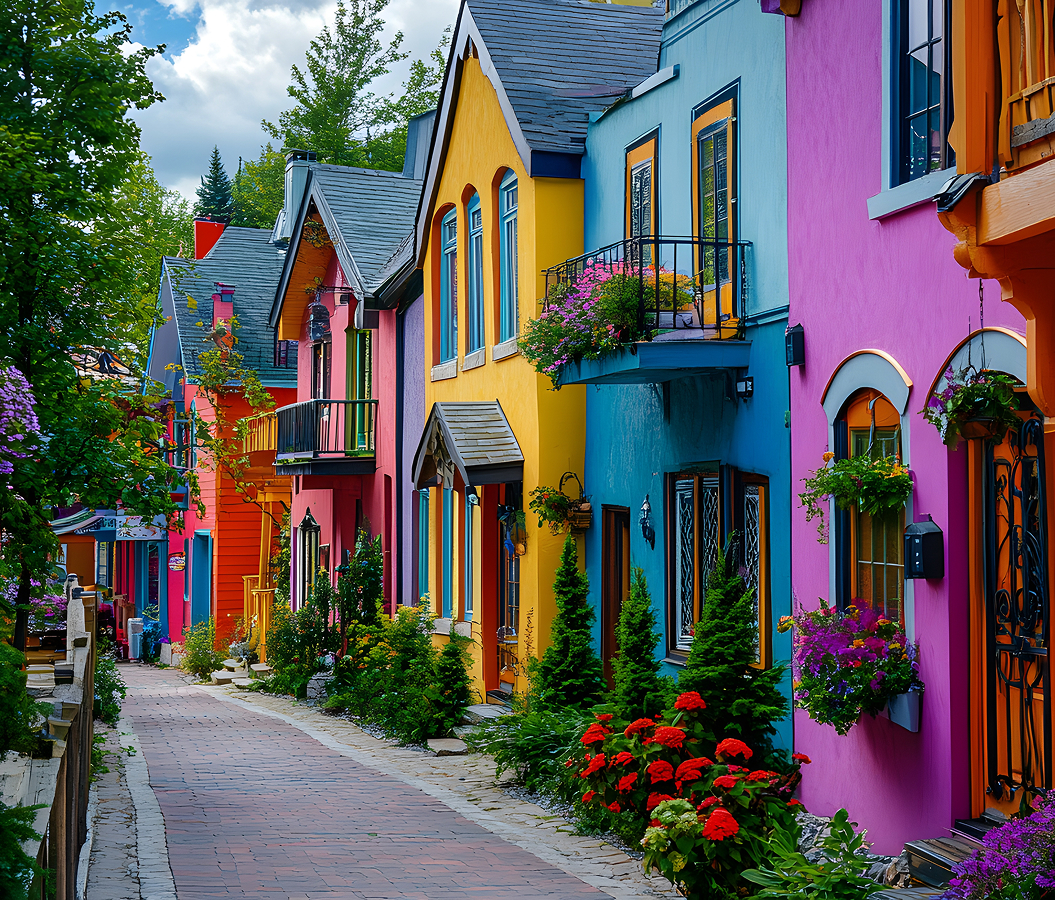
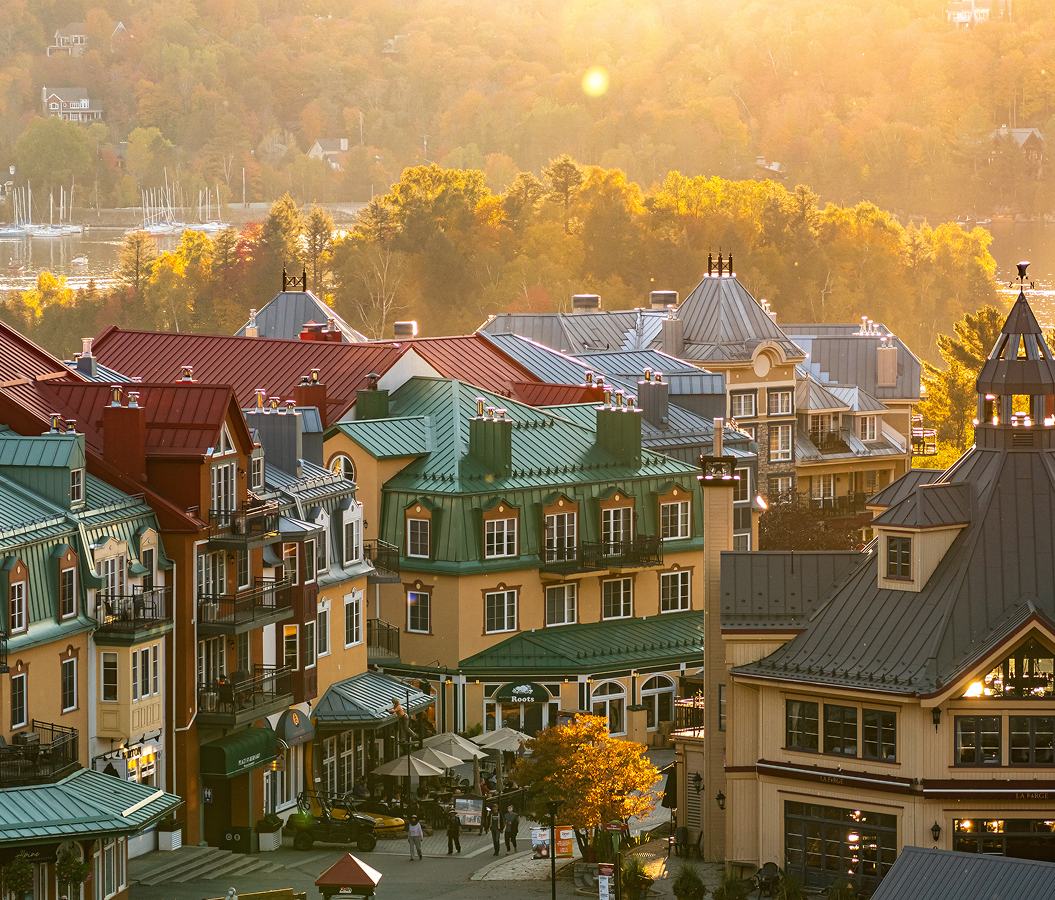
Grace Street is best known for developing across former Denison Estate lands after large-scale subdivision during the 1880s and 1890s, when Toronto's westward growth extended beyond Bathurst Street into newly planned residential districts. Construction accelerated following the electrification of the Toronto Railway Company streetcar system beginning in 1892, allowing residents convenient access to downtown while encouraging dense residential development throughout the surrounding neighborhood. Builders introduced substantial rows of Victorian, Edwardian, Queen Anne Revival, and Arts and Crafts houses distinguished by red brick masonry, decorative terracotta panels, carved sandstone lintels, stained-glass transoms, projecting bay windows, ornamental brick corbelling, and expansive front verandas that continue defining the corridor today. Annexation of the surrounding Village of Dovercourt by the City of Toronto in 1910 expanded municipal water, sewer, paving, and street lighting infrastructure, reinforcing Grace Street's position within one of Toronto's fastest-growing residential districts. Together, these estate subdivisions, transportation investments, municipal improvements, architectural traditions, and infrastructure projects established Grace Street as one of the defining residential corridors of Toronto's streetcar era.
Subdivision plans established remarkably consistent building setbacks, rear laneways, landscaped front yards, and narrow residential lot frontages that produced a cohesive streetscape despite construction by dozens of independent builders. Harbord Collegiate Institute, completed in 1892, attracted generations of students from surrounding neighborhoods while reinforcing the corridor's educational importance during Toronto's period of rapid urban expansion. Establishment of The Royal Conservatory of Music's nearby College Street campus and the continued growth of Little Italy during the twentieth century introduced musicians, artists, Italian social clubs, cafés, and cultural organizations whose influence extended throughout Grace Street. Collectively, these planning principles, educational institutions, cultural organizations, and demographic changes demonstrate how Grace Street developed into a corridor where architectural continuity is strengthened by equally enduring educational and cultural traditions.
How to fold Grace Street into your trip.
Grace Street works as an exploration of Toronto's architectural heritage, neighborhood culture, and west-end history.
Begin at Kensington Market, where independent grocers, specialty food merchants, and generations of immigrant entrepreneurship establish the cultural foundation of Toronto's west end before the route turns toward Grace Street's residential character. Continue to Bickford Park, whose mature landscape and neighborhood setting demonstrate the public investments that accompanied streetcar-era residential expansion across Palmerston-Little Italy. Conclude at The Royal Conservatory of Music, where one of Canada's foremost musical institutions provides the historical culmination by demonstrating how education, performance, and cultural excellence have long enriched the communities surrounding Grace Street. Together, the sequence progresses from immigrant enterprise to residential planning before culminating in artistic achievement, revealing why Grace Street remains one of Toronto's most culturally expressive historic corridors.
Where your story begins.
Foresyte Travel reveals places that feel extraordinary long before you arrive.
Experience premium editorial crafted for luxury travelers.