Why you should experience Harriet Tubman Monument in South Carolina.
Harriet Tubman Monument is a powerful public memorial where Downtown Beaufort's Civil War history, freedom movement, and African American heritage honor one of the nation's greatest abolitionists and humanitarian leaders.
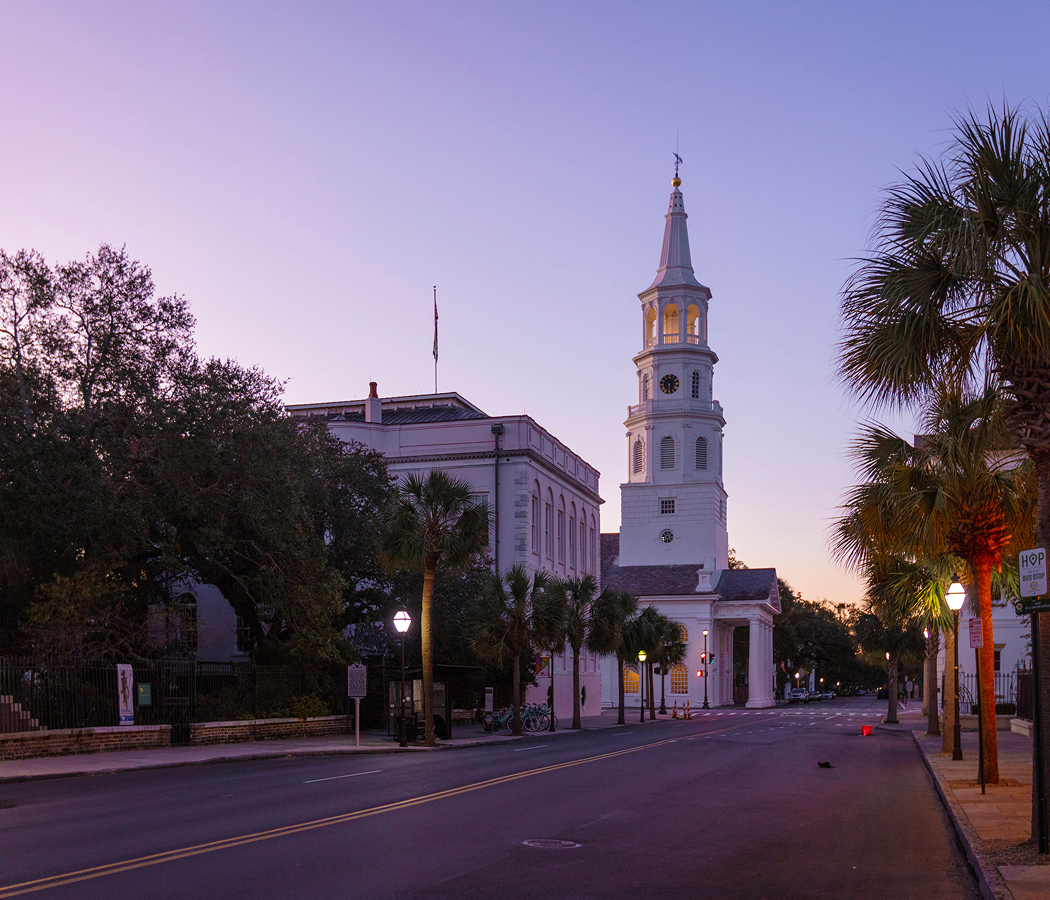
Set along Craven Street near Boundary Street and just steps from Reconstruction Era National Historical Park, this inspiring bronze monument commemorates Harriet Tubman's extraordinary service in the South Carolina Lowcountry while inviting reflection on courage, leadership, and the struggle for freedom. Thoughtful interpretation, prominent civic placement, and close connections to Beaufort's Reconstruction landscape establish a meaningful setting that honors one of the defining figures of nineteenth-century America. The result is an experience defined by historical remembrance, civic reflection, and Beaufort's enduring connection to the story of emancipation.
What you should know about Harriet Tubman Monument.
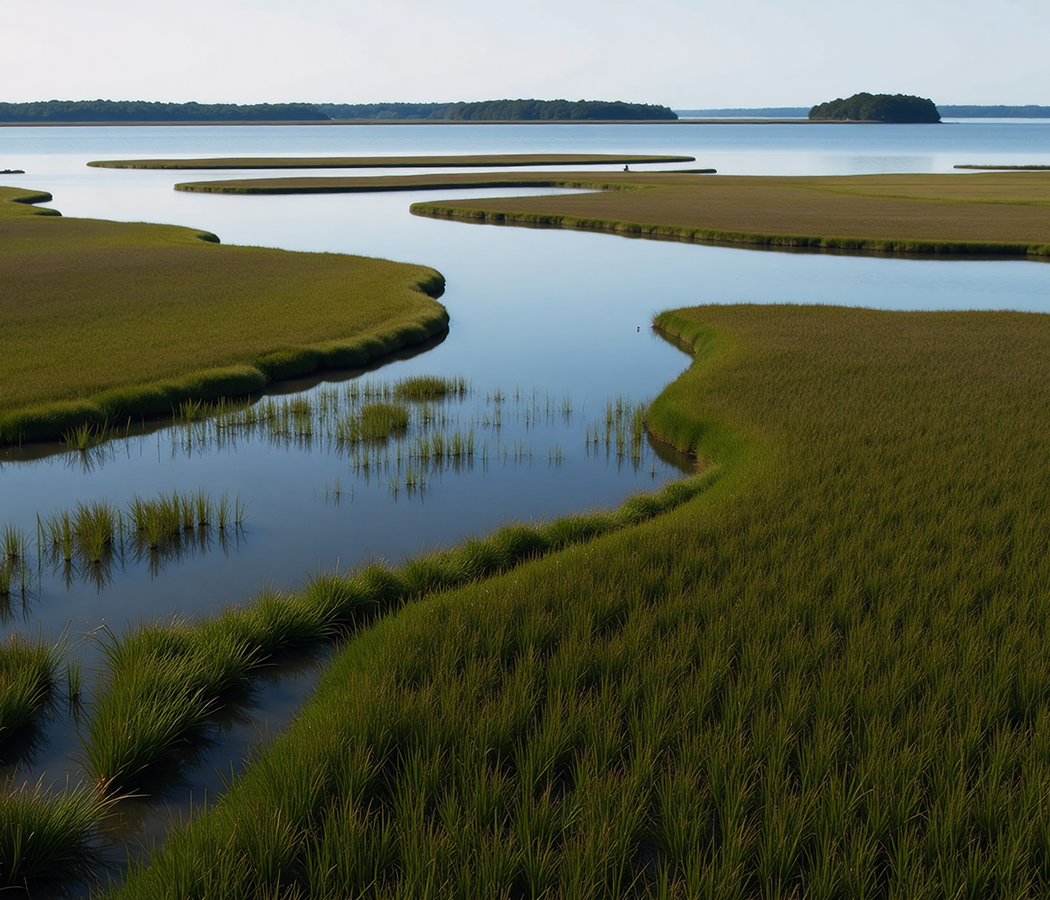
Harriet Tubman Monument is best known for commemorating Harriet Tubman's pivotal role in the South Carolina Lowcountry during the American Civil War, where she served the Union Army as a nurse, scout, intelligence operative, and military leader after arriving in Beaufort in 1862. Working with Union commanders occupying Port Royal Sound following its capture in November 1861, Tubman organized intelligence networks among formerly enslaved people, gathered strategic information throughout the Sea Islands, and became one of the first women in United States history to help plan and lead an armed military operation. Her most celebrated achievement came on June 2, 1863, during the Combahee River Raid, when she guided Union gunboats through Confederate-controlled waterways, helped destroy plantations, warehouses, bridges, and supplies supporting the Confederate war effort, and contributed to the liberation of more than 750 enslaved men, women, and children. The monument stands within Beaufort's nationally significant Reconstruction landscape, where the Port Royal Experiment established one of the nation's earliest large-scale efforts to provide education, employment, land management, and self-governance opportunities for formerly enslaved people following Union occupation. Created by acclaimed sculptor Wesley Wofford and dedicated in 2024, the monument portrays Tubman in motion carrying personal belongings while symbolizing both her Underground Railroad missions before the Civil War and her humanitarian work across the South Carolina Lowcountry during the conflict. Continued interpretation reinforces Beaufort's central place within Harriet Tubman's wartime service while recognizing her enduring influence on civil rights, military history, humanitarian leadership, and the national story of emancipation.
The monument's placement near Reconstruction Era National Historical Park strengthens its historical context by connecting Tubman's achievements with the communities, military operations, and political transformation that unfolded throughout Beaufort after 1861. Public interpretation, educational programming, and annual commemorations continue expanding understanding of Tubman's leadership while preserving one of the most significant memorials dedicated to her Civil War service anywhere in the United States.
How to fold Harriet Tubman Monument into your trip.
Harriet Tubman Monument works as part of a walking exploration through Beaufort's nationally significant Reconstruction sites.
Begin at Reconstruction Era National Historical Park, where exhibits interpreting the Port Royal Experiment and emancipation establish the historical context before continuing to Harriet Tubman Monument. Continue to Historic St. Peter's Church and Historical Marker, whose history deepens appreciation for Beaufort's African American religious and educational heritage following Reconstruction. Conclude at Henry C. Chambers Waterfront Park, where sweeping Beaufort River views provide a memorable finale overlooking the harbor that shaped Beaufort's Civil War history and Harriet Tubman's service in the Lowcountry. The progression moves naturally from Reconstruction history to Tubman's legacy before concluding beside the waterways central to the Union occupation and the struggle for freedom.
Where your story begins.
Foresyte Travel reveals places that feel extraordinary long before you arrive.
Experience premium editorial crafted for luxury travelers.